Saturday, January 16, 2021

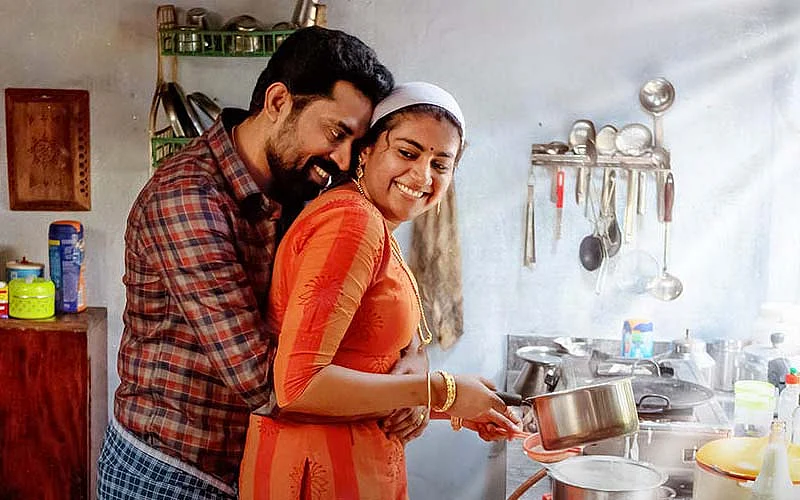
സിനിമയുടെ കെട്ട് ഇറങ്ങിക്കഴിയുമ്പോള്‍ അടുക്കളയിലേക്ക് നോക്കി 'ഒരു ചായ' എന്ന് വിളിച്ചു പറയാതെ ഇരിക്കുക | The Great Indian Kitchen Review


സ്വന്തം ഉച്ഛിഷ്ഠം കലക്കിയ വെള്ളം തലയിലൂടെ ഒഴുകിയ നിലയില്‍ ആണ് കഴിഞ്ഞ രണ്ടു ദിവസമായി മലയാളി ഗൃഹനാഥന്മാരുടെ നില്‍പ്പ്. 'നോട്ട് ഓള്‍ മെന്‍' എന്ന് പറയുന്നതിന് മുമ്പ് തങ്ങളുടെ വീട്ടിലെ ഭക്ഷണത്തിലേക്ക് നോക്കുക തീന്‍മേശയിലെ ആവി പറക്കുന്ന സമൃദ്ധിയില്‍ അല്ല, കഴിച്ചെഴുന്നേറ്റ് പോരുമ്പോള്‍ നിങ്ങള്‍ മേശപ്പുറത്ത് ചവച്ചുതുപ്പിയതിലേക്ക്, തലേന്ന് നിങ്ങള്‍ക്ക് വേണ്ടാതെ പോയ ചോറ് തിളപ്പിച്ചും അല്ലാതെയും ഉണ്ണുന്നവരുടെ പാത്രത്തിലേക്ക്, സിങ്കില്‍ കെട്ടിക്കിടക്കുന്ന നിങ്ങളുടെ അഴുക്കിലേക്ക്, ദുര്‍ഗന്ധം അവസാനിക്കാത്ത ആ ചവറ്റുകൂനയിലേക്ക്. മഹത്തായ ഭാരതീയ അടുക്കള അഥവാ The Great Indian Kitchen എല്ലാ വീടുകളുടെയും അകത്തളങ്ങളാണ്. സംവിധായകന്‍ ജിയോ ബേബിയുടെ നാലാമത്തെ സൃഷ്ടിയായ നൂറു മിനിറ്റില്‍ താഴെ മാത്രമുള്ള ഈ ചലച്ചിത്രം രേഖപ്പെടുത്തുന്നത് ഒറ്റ ക്രോമോസോമിന്റെ അഹന്തയില്‍ ആണുങ്ങള്‍ സൗകര്യപൂര്‍വം കണ്ണടച്ച് ഇരുട്ടിലാക്കിയ പെണ്ണുങ്ങളുടെ ജീവിതമാണ്.

അതെ, മഹത്തായ ഭാരതീയ അടുക്കള ആണുങ്ങള്‍ക്ക് വേണ്ടി മാത്രമുള്ള ചലച്ചിത്രമാണ്. കാലാകാലങ്ങളായി സംസ്‌കാരം, ആചാരം, കുടുംബം, മക്കളുടെ ഭാവി, തറവാട്ടുമഹിമ, വന്നു കയറിയ വീട്, എന്നീ വാക്കുകളില്‍ കുരുക്കി നിങ്ങളുടെ ജീവിതം സുഗമമാക്കാന്‍ വേണ്ടി നിങ്ങള്‍ ഒതുക്കിക്കളഞ്ഞ പെണ്ണുങ്ങളെ ഒന്ന് ശരിക്ക് കാണാന്‍ ഉള്ള അവസരമാണ് ഇത്. പെണ്ണുങ്ങള്‍ക്ക് ഇതവരുടെ ദൈനംദിനജീവിതമാണ്; ഇത് നിങ്ങള്‍ക്കുള്ള സിനിമയല്ല.

വടക്കന്‍ കേരളത്തിലെ ഒരു വലിയ തറവാട്ടിലേക്ക് വിവാഹം കൊണ്ടെത്തിക്കുന്ന ഒരു സ്ത്രീയും (നിമിഷ സജയന്‍) അവളുടെ കോളേജ് ലക്ച്ചററായ ഭര്‍ത്താവും (സുരാജ് വെഞ്ഞാറമ്മൂട്) മുന്‍ കരയോഗം പ്രസിഡന്റായ അയാളുടെ അച്ഛനും കേന്ദ്രകഥാപാത്രങ്ങളായുള്ള The Great Indian Kitchen രക്തം പൊടിയാതെ ബഹളം വയ്ക്കാതെ അക്രമരംഗങ്ങള്‍ പോലും ഇല്ലാതെ വീടിനകത്തു നടക്കുന്ന വയലന്‍സ് വ്യക്തമായി, painfully honest ആയി അവതരിപ്പിക്കുന്നു. വിദ്യാസമ്പന്നരായ, തൊഴില്‍ ചെയ്തു ജീവിക്കാന്‍ പ്രാപ്തരായ സ്ത്രീകളെ അഭിപ്രായം പറയാന്‍ അനുവദിക്കാതെ തങ്ങളെ സേവിച്ചുകൊണ്ട് ജീവിക്കാന്‍ കുടുംബത്തിനുള്ളില്‍ തളച്ചിടുന്ന വിദ്യാസമ്പന്നരായ, അലസരുമായ ആണ്‍കൂട്ടങ്ങളുടെ നേര്‍ക്കാഴ്ചയുമാണ് ചിത്രം.

അടുക്കളയുടെ രാഷ്ട്രീയവും തീന്മേശയുടെ രാഷ്ട്രീയവും തമ്മിലുള്ള അന്തരം, പാചകം ഹോബിയും സഹായവും കടമയും ആകുന്നത് തമ്മിലുള്ള അന്തരം, ഭക്ഷണം അധ്വാനവും അധികാരവും ആകുന്നത് തമ്മിലുള്ള അന്തരം, ഇതെല്ലാം ഒട്ടും അതിഭാവുകതയില്ലാതെ നാടകീയതയില്ലാതെ, എന്തിന്, പശ്ചാത്തലസംഗീതം പോലുമില്ലാതെ ശരിക്കും കൊള്ളിച്ചുകൊണ്ടും പൊള്ളിച്ചുകൊണ്ടും കാണാം ഇവിടെ. രുചിയിടങ്ങള്‍ എന്നാല്‍ വിഭവങ്ങള്‍ നിരത്തിയ തീന്മേശകളിലല്ല, പുകഞ്ഞും വിയര്‍ത്തും ചേറു പറ്റിയും ഉച്ഛിഷ്ഠം വാരിയും ജില്ലാ കലക്ടറേക്കാള്‍ മേന്മയോടെ 'കുടുംബത്തില്‍ പിറന്ന പെണ്ണുങ്ങള്‍' അവരുടെ രുചികളും അഭിരുചികളും മാറ്റിവച്ച് ചെയ്യുന്ന കാര്യങ്ങളിലാണ് എന്ന് കാണിച്ചു തരികയാണ് ജിയോ. Mansplaining ഇല്ലാത്ത ഇത്തരം കഥ പറച്ചില്‍ അപൂര്‍വങ്ങളില്‍ അപൂര്‍വ്വമാണ്.

ആവര്‍ത്തിച്ചാവര്‍ത്തിച്ചുള്ള അടുക്കളരംഗങ്ങള്‍ മടുപ്പുളവാക്കുന്നതാണെന്ന് തോന്നലുണ്ടെങ്കില്‍ ഓര്‍ക്കുക, ഈ ആവര്‍ത്തനമാണ് പലരുടെയും അന്ത്യം വരെയുള്ള ദിവസങ്ങള്‍. പാചകപ്പുരയുടെയും കിടപ്പുമുറിയുടെയും മേശയുടെയും ഇടുങ്ങിയ മാറിയിരുപ്പു മുറിയുടെയും ഫ്രെയിമുകള്‍ ആണ് സ്‌ക്രീനില്‍ എങ്കിലും സാലു കെ. തോമസിന്റെ ക്യാമറ ചൂണ്ടുന്നത് മനുഷ്യരുടെ ഉള്ളിലേക്കാണ്. എഡിറ്റര്‍ ഫ്രാന്‍സിസ് ലൂയിസിന്റെ കൃത്യമായ കട്ടുകള്‍ സിനിമയെ പറയേണ്ടത് മാത്രം പറഞ്ഞു വിഷയത്തിന്റെ ഗൗരവത്തില്‍ നിന്ന് ഒട്ടും തെന്നിമാറാതെ, തട്ടും തടവുമില്ലാത്ത മികച്ച അനുഭവമാക്കുന്നു. സിനിമയുടെ രാഷ്ട്രീയത്തോടൊപ്പം ചേര്‍ത്തു പറയേണ്ടതാണ് 'ഒരു കുടം പാറ്' ഉള്‍പ്പടെയുള്ള മൃദുലാദേവിയുടെ വരികളും. പറയ സമുദായത്തിന്റെ പാളവ ഭാഷയില്‍ മൃദുല രചിച്ച ഗാനങ്ങള്‍ മാറ്റിനിര്‍ത്തപ്പെട്ട ജനതയുടെ ഭാഷാസൗന്ദര്യം മാത്യൂസ് പുളിക്കന്റെ സംഗീതത്തില്‍ ലോകത്തെ കേള്‍പ്പിക്കുന്നു.

സാക്ഷരരും പരിഷ്‌കൃതരും സാംസ്‌കാരികസമ്പന്നരും നാട്ടുപ്രമാണികളും ആചാരസംരക്ഷകരും ഒക്കെ കൂടിയ പുരുഷാധിപത്യസമൂഹത്തിന്റെ മുഖത്ത് ആഞ്ഞു പതിഞ്ഞ ഒരു പ്രഹരമാണ് ചിത്രം. കുക്കറില്‍ വേവാത്ത, അടുപ്പത്ത് മാത്രം വേവുന്ന അരിയും, പേസ്റ്റ് പുരട്ടിയ ബ്രഷ് വരാത്തത് കൊണ്ട് ആരംഭിക്കാത്ത ദിവസവും, വാഷിംഗ് മെഷീനില്‍ കഴുകിയാല്‍ കേടായിപ്പോകുന്ന തുണികളും, അമ്മിയില്‍ അരച്ചാല്‍ മാത്രം രുചിയുള്ള ചമ്മന്തിയും ചൂട് ദോശയും ഒക്കെ നിര്‍ലജ്ജം സ്വീകരിച്ച് ഗൃഹനാഥന്മാര്‍ കുടുംബത്തെ നല്ല നിലയിലെത്തിക്കാന്‍ വേണ്ടി സ്ത്രീകള്‍ക്ക് നിര്‍ലോഭം കൊടുക്കുന്നത് കഴുകാത്ത ചോറ്റുപാത്രവും, വെള്ളം കെട്ടിക്കിടക്കുന്ന സിങ്കുകളും, ഉരിഞ്ഞെറിഞ്ഞ അടിവസ്ത്രവും, വികാരരഹിതമായ ലൈംഗികതയും ഒക്കെയാണ്. സ്വന്തം വീട്ടില്‍ എന്തും ചെയ്ത് manners ഇല്ലാതായിപ്പോയ പുരുഷന് അവന്റെ തെറ്റ് ചൂണ്ടിക്കാണിച്ച തെറ്റിന് അവളെക്കൊണ്ട് കുറ്റബോധം തോന്നിപ്പിച്ചും അല്ലാതെയും മാപ്പ് പറയിപ്പിക്കുവാനാകുന്നതും അവന്റെ ചോദ്യംചെയ്യപ്പെടാനാവാത്ത അധികാരം കൊണ്ടാണെന്ന് ചിത്രം തുറന്നുകാട്ടുന്നുണ്ട്. അടുക്കളയില്‍ നിന്ന് കിടപ്പുമുറിയിലേക്ക് എത്തുമ്പോഴും ആണ്‍കോയ്മ വ്യക്തമാണ്. ലൈംഗികതയില്‍ അഭിപ്രായമുള്ള പെണ്ണിനെ ഈഗോ തകര്‍ന്ന പങ്കാളി പരിഹാസ്യമായി നേരിടുന്നത് അധിക്ഷേപം കൊണ്ടാണ്.

അവഗണനയിലും മൗനത്തിലും എത്ര കഴുകിയാലും മാറാത്ത കെട്ട മണത്തിലും അവള്‍ക്ക് കൂട്ടാകുന്നതും പെണ്ണുങ്ങളാണ്. താന്‍ വളര്‍ന്നുവരുന്ന ലോകത്തെക്കുറിച്ച് ബോധ്യമില്ലാത്ത നിഷ്‌കളങ്കയായ ഒരു കുഞ്ഞു മോളും, ആര്‍ത്തവ 'അശുദ്ധി' കാലത്ത് സഹായത്തിനെത്തുന്ന പാട്ടു പാടിക്കൊണ്ട് പണികള്‍ ചെയ്യുന്ന, തന്റെ ആര്‍ത്തവമോ ജാതിയോ ആര്‍ക്കും അശുദ്ധിയല്ലാതായതിനെപ്പറ്റി സരസമായി പറയുന്ന ഒരു സ്ത്രീയും, 'മോള്‍ ജോലിയ്ക്ക് അപേക്ഷിച്ചോ പക്ഷെ ഞാന്‍ പറഞ്ഞെന്ന് ആരും അറിയരുത്' എന്നപേക്ഷിക്കുന്ന ഭര്‍ത്തൃമാതാവും, അനുഷ്ഠാനങ്ങളെപ്പറ്റിയും കടമകളെപ്പറ്റിയും 'ഇവിടത്തെ രീതികളെ'പ്പറ്റിയും ആണുങ്ങളുടെ കണ്‍വെട്ടത്ത് നിന്ന് മാറ്റി വെയില്‍കൊള്ളിക്കാതെ ഉണക്കേണ്ട പെണ്‍ അടിവസ്ത്രങ്ങളെപ്പറ്റിയും ജ്ഞാനം പകരുന്ന സന്തോഷത്തോടെ കുടുംബത്തെ ആണുങ്ങളെ സേവിക്കുന്ന അമ്മായിയും. അധികാരഗര്‍വിന്റെ ഇരകളും ആണ്‍കോയ്മയുടെ വാഹകരും ആചാരസംരക്ഷകരുമായ കുടുംബത്തിലെ സ്ത്രീകള്‍ നിരന്നു നിന്ന് 'ഇതാണ് ഞങ്ങള്‍' എന്നും 'ഇതാണ് നിങ്ങള്‍' എന്ന് പറയാതെ പറഞ്ഞു പ്രേക്ഷകരെ ചൂളിപ്പിക്കുകയാണ്. അതിന് ചലച്ചിത്രപ്രവര്‍ത്തകര്‍ മുന്‍നിര്‍ത്തുന്നത് വീടിന്റെ ഐശ്വര്യം എന്ന പേരില്‍ പ്രിവിലേജുകളാല്‍ സമ്പന്നരായവര്‍ കാലങ്ങളായി നോര്‍മലൈസ് ചെയ്ത ഗാര്‍ഹികപീഡനം തന്നെയാണ് എന്നത് ചിലരെയെങ്കിലും ഒന്ന് ഇരുത്തി ചിന്തിപ്പിക്കുമെന്ന പ്രതീക്ഷ നല്‍കുന്നു.

കൊവിഡ് കാല പ്രതിസന്ധി കടന്ന് ഈ ചിത്രം ഇറങ്ങിയത് തീയറ്ററില്‍ അല്ല എന്നത് ശ്രദ്ധേയമാണ്. തീയറ്ററിലെ ഇരുട്ടില്‍ അല്ല, തീന്മേശയുടെ മുമ്പില്‍ അമ്മയോടും ഭാര്യയോടും മരുമകളോടും ഒപ്പം ഇരുന്നു കൊണ്ടാണ് പ്രിയപ്പെട്ടവരും അല്ലാത്തവരുമായ ആണുങ്ങളേ, നിങ്ങള്‍ ഈ സിനിമ കാണേണ്ടത്. ഇരിപ്പിടത്തില്‍ നിന്ന് കൊണ്ടുതന്നെ വേവുന്നത്തിന്റെയും നാറുന്നതിന്റെയും മണം പിടിക്കാവുന്ന ദൂരത്തിരുന്നു കൊണ്ട്.

നിങ്ങളെത്തന്നെ സ്‌ക്രീനില്‍ കാണുമ്പോള്‍ ജാള്യതയില്ലാതെ കൂടെയിരിക്കുന്നവരുടെ മുഖത്തേക്ക് നോക്കാന്‍ ആവില്ലെങ്കില്‍ കൂടി, സിനിമയുടെ കെട്ട് ഇറങ്ങിക്കഴിയുമ്പോള്‍ അടുക്കളയിലേക്ക് നോക്കി 'ഒരു ചായ' എന്ന് ഉറക്കെ വിളിച്ചു പറയാതെ ഇരിക്കുക. അവിടെ ഒരു പക്ഷെ തീ അണഞ്ഞു കാണില്ല!

 Published in The Cue on January 16, 2021

Monday, September 28, 2020

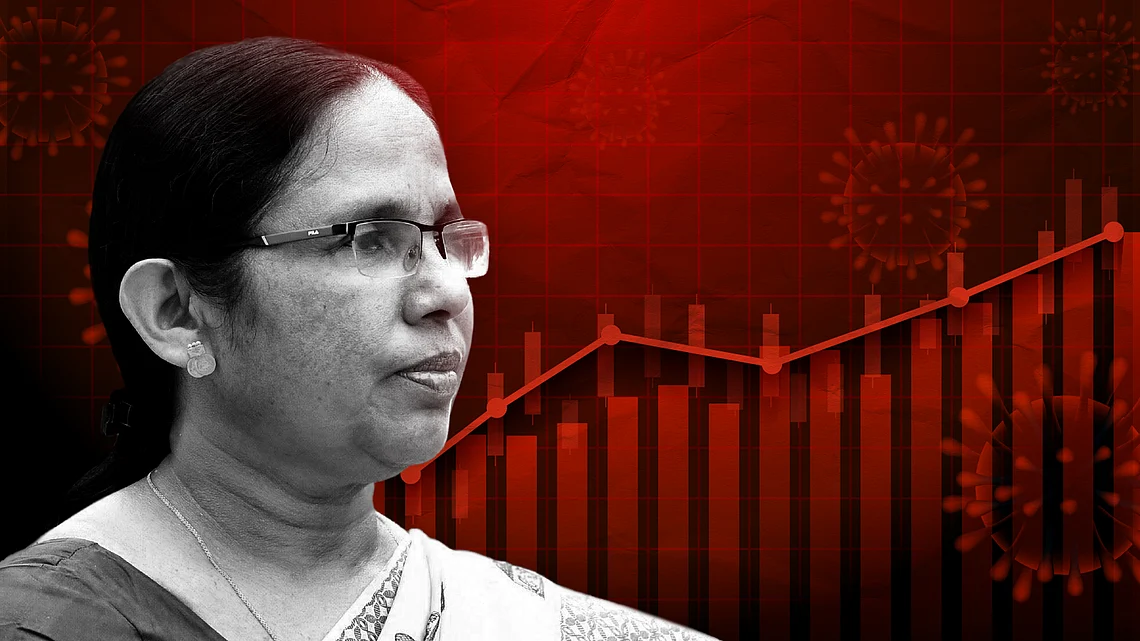
Is the Kerala model of tackling Covid an overreaction?

 Expert opinion is divided.


On January 30, India detected its first coronavirus patient, a student who had returned to Kerala from Wuhan, China, the epicentre of the pandemic. The Kerala government was prepared.
The state’s public health authorities, led by the health minister KK Shailaja, promptly put in place the protocol that they had used to successfully contain the Nipah outbreak in 2018. Strict quarantine rules, extensive surveillance and contact tracing measures, public testing and treatment facilities, and the distribution of rations to the needy ensured that the spread of the disease was contained quickly.
In the early months in particular, stringent quarantine rules saw even asymptomatic patients being taken to first-line treatment centres instead of being home quarantined. A few quarantined patients were denied permission to see their demised relatives one last time. As a result, new cases declined to a trickle by May. In fact, not a single new infection was recorded on May 1 and May 6.
The Kerala model, as the state’s response to the pandemic came to be called, earned wide praise internationally.
Nearly eight months on, Kerala is recording a spike in infections, adding over 7,000 new cases on September 27. The spike began after interstate travel restrictions were relaxed in May. The state recorded 238 new infections in March and 256 in April. Of these, 153 and 77 people, respectively, had returned from abroad. After the interstate borders were opened, Kerala saw 772 new cases in May, 3,173 in June, 19,171 in July, 51,772 in August, and 1,04,717 so far in September. The number of foreign returnees was 280 in May, 1,860 in June, 3,329 in July, 1,883 in August. Of the infections reported in September, around 93 percent have no travel history, indicating wide community spread.
It would seem, thus, that the strict measures taken by the Kerala government to contain the pandemic only delayed the inevitable.
So, did Kerala overreact in responding to the pandemic, more so since its handling of the health emergency contributed to panic, scaremongering, stigma, and even violence around coronavirus? Opinion is divided.
“Yes,” said Dr PK Sasidharan, former dean of the Government Medical College Hospital in Kozhikode. “I wouldn’t blame the government though. It’s just that the strategy they followed was incorrect. The intentions were genuine, but with no experience handling a situation like this, the decisions were wrong and the insights into public health were poor.”
The “first wrong step”, he added, was the decision to handle coronavirus like Nipah. “Coronavirus is more contagious than Nipah and has milder symptoms. Nipah was restricted to one geographical location, but the novel coronavirus spreads faster and will eventually affect everyone.”
In all, over 1.75 lakh people have contracted coronavirus in Kerala so far and at least 677 have died from it.
“The actual figures are far higher,” said a health inspector in North Kerala who asked not to be named because he wasn’t authorised to speak to the media. “Many deaths are not being recorded as coronavirus deaths. The situation is grave and not as projected.”
***
The Kerala government’s “overreaction” to the pandemic, as critics have described it, has come at significant financial cost, compelling the state to seek additional funds from New Delhi. Self-government institutions have been struggling to establish first-line treatment centres to accommodate even asymptomatic patients.
“Treating asymptomatic patients in first-line centres is not just an unscientific approach but a waste of resources as well,” remarked Sasidharan. “Elaborate arrangements and expensive medicines are provided for their intensive care.”
Though Kerala issued guidelines for home quarantining asymptomatic patients in August, many people, for fear of infecting family members and being stigmatised, demand hospitalisation, which is not denied.
The health inspector agreed with Sasidharan. “In the first phase, the government even provided new clothes for patients after burning the ones they wore. Many asymptomatic patients are taken to facilities run by the government. It is a huge financial burden. They could conveniently be home quarantined,” he said. “There is another flip side. People take it all lightly believing that even if they get affected, the government will take care of them.”
Dr KP Aravindan, a former professor of pathology who once led the Kerala Sasthra Sahithya Parishad, a grassroots movement to promote science, concurred that there had been “overreactions”.
“I feel that for asymptomatic cases, home isolation is a successful and less-burdening strategy for the government,” he pointed out. “If the numbers keep on rising, I think the government might compulsorily mandate home care for asymptomatic patients.”
He added, “The number of cases might not be correct as tests can be misleading. But considering the lower mortality rate, I think all is well as of now.”
Insistence on institutional quarantine has also caused some tragic incidents. A 19-year-old girl was raped by an ambulance driver on the way to a treatment centre where she was to be quarantined after testing positive for coronavirus. The authorities have since mandated the presence of two health workers in an ambulance and special care for women patients.
“That was an atrocious act committed by a sick man. It was unfortunate. There had not been a security lapse until then,” remarked a health official who asked not to be identified. “It could have been avoided had the patient not been transferred so discreetly.”
Sasidharan also complained about the constant revision of the Covid protocol, calling it inappropriate. “Quarantine rules were proper earlier, especially during the initial inflow of NRIs. All virus carriers could be identified and quarantined. Then the quarantine period was reducded from 28 days to 14 and now to seven.”
The health inspector concurred. “This doesn’t cover the incubation period properly and could actually facilitate community spread of the disease. People neglect symptoms or do not get tested at the right time as stipulated. And now every case has no source.”
This, he said, was partly an outcome of the “ridiculous situation” where “instead of epidemic control experts like public health officials, police have been given the power to initiate action against people who refuse to comply with the rules”.
“It’s absurd to have the police who are already burdened with responsibilities to work on the healthcare front. The protocol rules need to be revised and corrected for proper compliance,” the inspector said.
Sasidharan added, “Decentralised patient care should be decided by a panel of general practitioners who have adequate insight into public health issues and epidemiologists with a vision for a progressive society. With well-equipped primary care centres, a good team of health workers, intelligent planning on testing and isolating only the symptomatic and vulnerable ones who require critical care, the plan will be effective.”
***
On the other side, there are health experts who contend that the Kerala government adopted the right approach after coronavirus arrived. That it managed to even delay the peak of infections was a big success.
“History will keep only one record: how many survived,” said Dr Mohammed Asheel, citing the example of the Spanish Flu which killed nearly five crore people over four years in the first quarter of the last century.
Asheel is the executive director of the Kerala Social Security Mission, which is leading the fight against the pandemic. He continued, “We set up over 300 virology labs as well as quality infrastructure and health facilities. We could control imported cases with all these systems in place. Italy, with its all excellent facilities, let it peak and the cases spiralled out of control and many patients died. Delaying the infection peak has its own advantages. We get time to study the virus and then devise strategies to combat it.”
Aravindan agreed, “Almost six lakh people arrived in Kerala from the Gulf and we managed to control transmission. All current cases are connected to arrivals from other states after travel restrictions were relaxed and our deaths are also lower. It’s a huge success indeed.”
Moreover, he added, echoing Asheel, “The delayed peak will help conduct more research and continue interactions with the global research community to identify more viral traits. Until we find the vaccine, this will go on. It could be prolonged but it will be worth the wait.”
Dr Rajeev Jayadevan, the president of the Indian Medical Association’s Kochi chapter, even supported institutional treatment for asymptomatic patients.
Pointing out that the novel coronavirus isn’t harmless compared to flu viruses, he said, “This virus, unlike others, can suppress the symptoms and that’s why I recommend that even asymptomatic patients should not be left untreated. In many cases, the bewildering condition of happy hypoxia has been noted. The patient might not have noticeable symptoms, but their lungs would be deteriorating, reducing the amount of oxygen they can absorb. Those with serious lung, blood and cardiac conditions fall in high-risk categories.”
In the long run, though, decisions must be made depending on the available resources and the patient load, he added. “The world over, home treatment with proper monitoring is being followed. When numbers go higher, we too will have to go for optimisation of available resources. The virus does not spread according to a rulebook and predictions are irrational.”
***
Is Kerala equipped to deal with the ongoing spike in infections?
The government has maintained that it has provided more than adequate facilities and resources to deal with any situation. But with the cases suging, even the chief minister, Pinarayi Vijayan, has expressed worry. And Shailaja has expressed concern about the shortage of ventilators which could result in more deaths if the cases keep spiking. There is reportedly a scarcity of oxygen cylinders in the state’s public hospitals as well.
As of September 27, there were 380 Covid patients in ICUs across Kerala and at least 92 on ventilator support.
“As of now, we are good,” said Sulphi Noohu, the state secretary of the Indian Medical Association. “But at some places the cases are rising exponentially which is a cause for worry. Government and private hospitals in Thiruvananthapuram, Ernakulam, Kozhikode, Thrissur have adequate infrastructure and facilities to handle rising cases. But in Pathanamthitta, Alappuzha and Idukki, where the infrastructure and the number of hospitals are minimal since the people mostly depend on neighbouring districts for their healthcare needs, rising cases of infection might pose a grave problem.”


Published in Newslaundry on September 28, 2020

Wednesday, July 29, 2020

How Ireland’s Maharani gin symbolises rebellious spirit of Kerala’s women


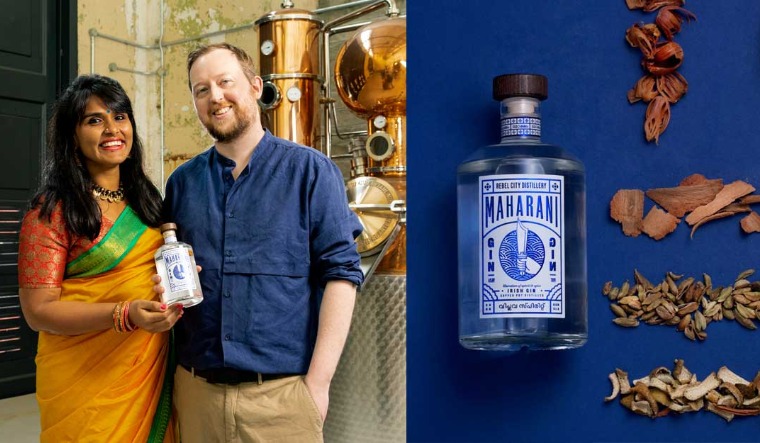
It was the quest for spices that took European explorers to brave the seas and land in Kerala over 500 years ago, marking the beginning of imperialism and colonisation. In 2020, the spice scent has crossed the seas once again, this time, bottled as an Irish gin under the brand Maharani, by Bhagyalakshmi Barrett, a Keralite who co-owns Rebel City Distillery, the first distillery opened in the city of Cork in Ireland in the past 50 years.

Maharani Irish Gin, zested with pomelo fruit (known as Babloos Naranga in Kerala) and spices such as cassia and nutmeg mace, is a uniquely flavoured product. No one has so far used these spices nor this citrus-spicy magical combination in a gin.

That is not all. One can see Malayalam words—Viplava Spirit, Moksham, Alchemy and Sargathmakatha—ingrained on the indigo-hued bottle.

"For it's crafted with alchemy and artistry," says Bhagyalakshmi, in a telephone interview with onmanorama from Cork City.

Maharani, she says, is a tribute to women power.

"The brand symbolises the revolutionary, rebellious spirit of Kerala's women and their significant role in shaping up Kerala society. Viplava spirit refers to the rebel spirit in me, in all the women and in the gin," says the 34-year-old native of Kilikolloor in Kollam district of Kerala, who sources the botanicals for the distillery from Vanamoolika, a women's organic farming cooperative in Wayanad district.

"I am someone who is proud of my roots. I call myself first a Malayali and then an Indian. It has been my dream that anything I work on has to involve women and stay true to my roots." Bhagyalakshmi is the daughter of Rajeev Vasavan, an actor, and Vimala, a homemaker. She has a brother, Akhil Vinayak, who works in Kuwait.

She runs the distillery with her husband, Robert Barrett, and his father, Brendan Barrett, whom the couple calls their mentor.

From Chennai to Cork, via Madrid

After starting her career as an information technology (IT) professional in Chennai, she moved to Madrid in Spain and later came to Ireland in 2013 for her masters in business administration.

"Since then, I have been here. In 2015, I joined Dell as an IT programme manager, and two years later, Robert and I got married."

They tied the knot in August 2017 at Kollam in the presence of family and friends.

Robert, a fine spirits expert who did his MSc in brewing and distilling from Scotland, has worked in distilleries and breweries in Caribbean, Vancouver, Uganda and his homeland Ireland before coming up with the plan of setting up their venture in Cork.

Cork, the rebel city of Ireland

Cork is known as the 'rebel city' for its history of numerous rebellions. And the duo paid tribute to the city by naming their company Rebel City Distillery.

"Our plan was to roll out our first product as a fusion of two cultures, just like us," says Bhagyalakshmi, who considers it a privilege that their distillery is set up in the same plant where reputed global auto-maker Henry Ford and Sons started its first dedicated automobile plant outside the US.

"When we moved in, we decided to preserve history and not make much changes to the place in the process of renovation. Even the wall paints are maintained as such. This place is a treasure trove of history. We are next opening a gin school and visiting centre where visitors will be guided through the distillation process and can prepare their own gin bottles," she says.

Financial support

Launched with an initial investment of 500,000 Euros (Rs 4.39 crore) with the support of the Irish Food Board and local enterprises, the distillery is one month old and with just three staff, including her and Robert on board, they have been able to bring out 10,000 bottles of Maharani. The product is now available in stores in Germany and Sweden.

"Our primary target is the European Union market. We are planning to expand slowly to cover the US and of course, India. The reviews are overwhelming. Popular Irish food bloggers and drink enthusiasts have rated us with a score of 91 out of 100. Maharani is being served at a few Michelin-star restaurants in the UK and the responses have been great," she said.

Her company plans to collaborate with many restaurant chains and pubs after the COVID-19 crisis gets over. "Pubs and bars in Ireland remain shut these days. Once we overcome this crisis, we hope to scale up."

Maharani is currently priced at 49 Euros (Rs 4,306) per bottle, but once the global distribution plan works out, Bhagyalakshmi hopes that they can bring down the price as the production cost would come down.

Rum with ingredients from Marayoor

The couple is planning to introduce more products—white unaged rum, cask-aged rum and small batched spirits like absinthe—but the first one would be a rum with another Indian connection.

She says, "Well, the recipe for the rum is locked. All I can say now is that the main ingredients are sourced from Marayoor." (The Idukki town of Marayoor is famous for sugar cane, jaggery and sandalwood oil).

Kerala and Ireland, though both have a common ambience of greenery, are poles apart when it comes to treating a drink. "Till the age of 28, my idea about a drink was intoxication. Experience at Ireland made me realise that a drink needs to be enjoyed. In Kerala, people drink to get drunk, but here, people enjoy a drink taking hours, smelling it, letting it soak and sink in. Drinking is socialising and pubs are where people meet, where kids and family are welcome, unlike back home. But things are changing slowly. People have started appreciating their drinks. Attitude will change over time," she said.

Bhagyalakshmi and Robert had planned to visit her parents in March, but postponed it due to the global pandemic. "I can't wait to show my parents our Maharani, and I want to take this bottle to my strong women in Wayanad without whom this wouldn't have been possible. What makes Maharani special is the authentic story behind it and the distinct and well-balanced flavour, which stands out in the highly competitive gin market. Maharani is a revolution," she said.

 Published in The Week on July 29, 2020

Sunday, March 22, 2020

Operation Corona: How Kerala led the way


The state had been battling Covid-19 for more than a month before Maharashtra reported its first case on March 10. As of Saturday, it had 40 cases, while Maharashtra had 53. A deep dive on how it swung into action

On March 7, two people with fever paid a visit to Dr Shambhu, a physician at Ranni Government Hospital in Kerala’s Pathanamthitta district. It had been more than a month since Kerala reported the first three cases of Covid-19 — students who had arrived from China — so he followed procedure, and asked if they had been to any foreign country recently. They hadn’t, but said they had come into contact with a family in their neighbourhood that had just returned from Italy, where the disease was spreading rapidly.

Dr Shambhu realised that sitting before him were the first cases of secondary transmission of Covid-19 in the state. He quickly shifted them to the isolation ward and informed the health department and district administration. A medical team reached the Italy returnees’ home in an ambulance and, despite their initial refusal to cooperate, took their family members — who included their aged parents — to the hospital. The family initially refused to admit that they were sick. But when they tested positive they admitted that they had refused to furnish their travel history to authorities, had dodged screening at the airport, and had been visiting relatives instead of staying at home.

The state soon launched a massive search across the two districts the family had been to, identified more than 3,000 who had come into contact with the family, and began monitoring them. To avert a community spread, the health ministry also released a route map of the places the family had been to since returning to India. Meanwhile, CM Pinarayi Vijayan and Minister of Health and Family Welfare KK Shailaja asked everyone to stay alert.

Ahead of time

Kerala’s ‘secret’, it turns out, was being prepared for the outbreak well before it began. Dr M Narayanan, president of the Indian Academy of Paediatrics, Kerala, says, “The outbreaks in Kerala and Italy took place at almost the same time. But now, when the death toll in Italy, which has free and quality healthcare, has crossed 4,000, Kerala has not had a single death, despite having fewer resources and facilities. We have been able to identify and isolate suspected carriers, including asymptomatic ones, to avert a community-level spread.”


In what minister Shailaja called ‘a self-designed protocol’ — something she learned from the state’s battle with the 2018 Nipah outbreak, which claimed 17 lives — a surveillance mechanism was put in place in mid-January. It was part of a larger plan that involved co-ordination between the state’s infrastructure, bureaucracy and people. Quarantine facilities and control rooms were set up in all 14 districts to keep tabs on those arriving from abroad.

On February 3, as soon as the first three cases were reported, the government announced a state health emergency. As many as 18 expert groups at the rapid response control room split tasks into areas such as quarantine, isolation, monitoring, contact tracing, media surveillance, field teams, etc. When a person arrived with symptoms, health officials sprang into action at once, tracing the journey of the patient, finding his or her primary and secondary contacts, and shifting them to quarantine to avert a community outbreak. When a person tested positive for Covid-19, a map of their journey was published so that people could easily identify those who were most at risk of contracting the disease.

Dr Amjith Rajeevan, an assistant surgeon at a primary health centre in Pathanamthitta district, who also heads the media surveillance team that looks for possible links to any Covid-19 suspect that may have been overlooked, says, “When the first three cases were reported, we had the advantage of knowing they had been home-quarantined. But when a family of three dodged screening upon arrival from Italy and tested positive after visiting various places, we had the task of averting a community outbreak. The first meeting of the rapid response team was called at 7.30 am, which was attended by officials from the Chief Minister’s Office and Health Ministry, doctors, healthcare workers, public representatives and surveillance training committees. It was decided to track down the travel history of the patients and fill in the missing links. For this, we needed the help of field workers, women’s selfhelp groups and support groups, who talked to people and sourced CCTV footage. More people were quarantined, and this helped control the spread.”

Those who were quarantined in their homes were monitored using GPS to ensure they remained indoors. To support the virology institute in Alappuzha, opened after the Nipah episode, four more testing facilities were opened in various districts. At meetings convened twice a day, the ground situation was assessed and necessary arrangements were made; district-wise data and statistics on required health facilities, medical assistance and food were compiled and presented. This is followed by a daily press conference — sometimes twice daily — at which the chief minister, the health minister or both turned people’s panic into vigilance by sharing information about new developments, assuring people of a positive outcome and appreciating their efforts. While health helplines and round-the-clock emergency services worked tirelessly to quarantine suspected carriers, schools were shut down, weddings and other events with large gatherings were postponed, and cinemas shuttered.

What is the Kerala model?

As of Saturday morning, Maharashtra had 53 Covid-19 cases, Uttar Pradesh 24, Rajasthan 17, Haryana 17, Delhi 26 and Karnataka 15. Kerala, which has been battling the outbreak for longer than any other state, had 40 cases, 44,390 people under observation, and zero casualties. Why has Kerala’s battle against Covid-19 been more successful — at least so far — than those of other states? “Compared to other Indian states, Kerala has a lot of advantages,” says Dr Amjith, who has been in charge of coordinating the state’s control rooms during past crises.

“Keralites are a global community and Covid-19 infections have now been reported from all over the world, but we were prepared to face it right from when it hit China. Equipped with a peoplefriendly health delivery system, state-ofthe- art infection control facilities, expertise of public health professionals and strong backing of district administrations, Kerala could face the challenges. The state also has another great advantage — highly educated local body representatives, who are in direct contact with the people. Kerala’s high literacy rate made spreading awareness easier,” he adds.

Apart from government medical colleges, primary and community health centres, the public and private sector healthcare systems in Kerala maintain high standards. As CM Vijayan put it, “We have excellent healthcare systems, from primary health centres to super-specialty hospitals. The spirit of this system is a popular partnership. Healthcare workers from all parts of the system have joined hands to battle this crisis.” Minister Shailaja says, “Our main target is to not lose any life. Community service and public cooperation — seeking medical assistance in case of symptoms — will help us win the fight. The key to containing the virus is responsible behaviour.”

That’s exactly what Arjun (name changed to protect his identity) exhibited when he and his friends — all of them MBBS students in Wuhan, the epicentre of the outbreak — returned to India just before the city was locked down. Arjun and two of his friends are the three first Covid-19 cases in India. He says, “Our 30-member team was the first to have landed in India from Wuhan. At Kolkata airport, we underwent basic tests and signed papers, after which we were given guidelines. Once I reached my home in Alappuzha district, I informed the health department of my arrival and stayed at home. A few days later, I saw that one of my friends had tested positive, becoming the first person in India with the disease. Though I had no symptoms, I put on an N95 respirator and reported to the nearest primary health centre.”

Harbinger of hope

Harbinger of hope Any new contagious disease brings with it desperation, panic and mass hysteria. To tackle these, the Kerala government introduced trustworthy communication channels and outreach programmes. Through the mobile app GoK-Direct Kerala, which sends real-time updates and SMS alerts to subscribers in various languages, the Department of Information and Public Relations ensure transparency. To improve the lives of everyone forced to remain indoors, the government announced it would increase WiFi bandwidth. Through social media campaigns such as ‘Break the Chain’, calls for social distancing, and by acting swiftly against those spreading fake news, it combated fear and stigma. The government also ensured the supply of essential commodities and medical assistance to the public for free. Children who could no longer go to anganwadis (rural child care centres) continued to receive their much-needed mid-day meals at home. “About 3.7 lakh students in 33,115 anganwadis in the state have benefitted from the initiative,” Shailaja says.

But the masterstroke of the Pinarayi government was the Rs 20,000-crore health package he announced on March 19 to revive the economy. Of this, Rs 2,000-crore is for disbursing loans through Kudumbashree, a women’s self-help group; Rs 1,320 crore for paying two months’ welfare pension in advance; Rs 100 crore for families that do not otherwise receive any welfare pension; and Rs 100 crore for free cereals through the Public Distribution System. He also announced the opening of subsidised lunch outlets, relaxation of power and water bills, and assistance to public transport staff.

The challenges ahead

The Kerala model has been praised widely, but with one-sixth of its 3.5-crore population being expatriates, the state is not taking anything for granted. If even one person under quarantine ventures outdoors, it could spark a community-level outbreak. “Had this shutdown been done earlier, we could have avoided the current risk of community spread from patients exposed to secondary transmission,” says Dr Narayanan. Though the state machinery was been able to contain the disease at first, this responsibility is now with the public. There are people who have organised or attended mass gatherings, prayer meets and temple festivals. Many who returned from the Hajj have not practised home quarantine. The six new positive cases reported on March 20 from Kasaragod district were infected by a foreign-returnee who attended weddings, public events and football matches, forcing the whole district to shut down.

Dr Narayanan said, “After a lull, cases have spiked. The disease has reached tertiary contacts. If this explodes, I am not sure that we have enough infrastructure, hospital beds, ventilators and intensive care units to accommodate all patients and combat a massive outbreak. Even the lives of healthcare professionals are at risk. Kerala also has a huge high-risk population of senior citizens, cancer patients and others who need immunosuppressants.” Though Kerala has better medical facilities than most other states, it has only 1.1 hospital beds for every 1,000 people. While the government is converting college hostels to Covid-19 centres, it will face a shortage of ventilators and ICUs in case of a community-level spread. The only way to combat the disease, therefore, is to practice social distancing.

 Published in Mumbai Mirror on March 22, 2020

Monday, March 9, 2020

Kerala Man's Donkey Milk Business Churns Out Cosmetics


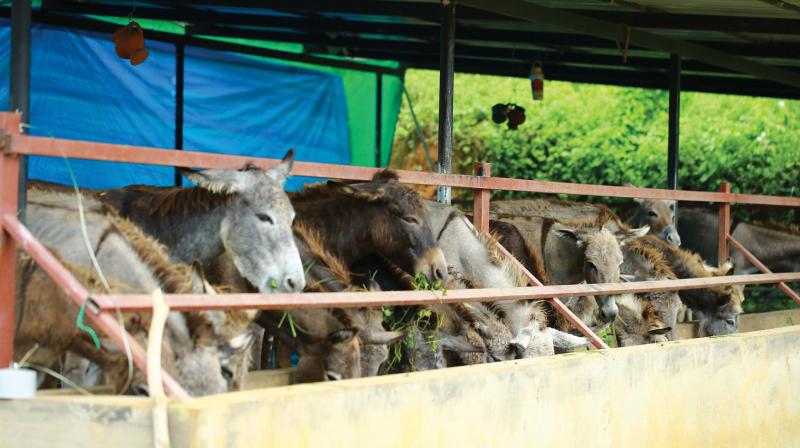
Ancient Egyptian queen Cleopatra, a stunning beauty, is believed to take regular baths in donkey milk to preserve her youthful skin. Poppaea, the wife of Emperor Nero and Napoleon’s sister Pauline too are believed to have used donkey milk for skincare. Not just that, historic records trace donkey milk to an effective medicine for skin diseases. Ages later, it took a young man from a little village in Kerala to explore the business possibilities of cosmetic products made from donkey milk. Aby Baby, a native of Ramamangalam in Kochi, runs a cosmetic brand with creams, soaps and balms manufactured using the milk of the donkeys at his farm.

It was Bible that piqued Aby’s entrepreneurial interest. “Donkeys are everywhere in the holy Bible. Jesus came to Jerusalem atop a donkey, Job had a thousand jennies and so did Abraham. It could have been a horse, but they all rode and reared donkeys. There should have been great significance,” he thought, and he started looking up. The more he knew, the more fascinated Aby became of donkey milk, its properties and nutritional riches of vitamins, minerals, essential fatty acids, antioxidants, calcium and enzymes.


Entrepreneurship, for Aby, was his calling. His great grandfather Mathai had manufactured lemongrass oil, a business that flourished till the 60s. As soon as he discovered the possibilities of donkey milk, he quit his high-paying IT job in Bengaluru to venture into the business of beauty. Donkey milk, which tends to go sour easily, had to be freeze-dried and preserved to manufacture creams, ointments, soaps and balms. Without any guidance or models to follow, Aby had to choose the trial-and-error path. There were setbacks – people thought he was crazy, 16 donkeys he brought from Tamil Nadu died, his marriage failed, but Aby couldn’t be deterred. When distribution got affected, he started manufacturing on his own, in a small unit set up near his home. His efforts bore fruit when he received the NRCE progressive farmer and agri-entrepreneur award. Currently, Dolphin IBA brings out 16 products, including face cream, facial kit, firmness cream, skin cream, fairness cream, bathing soap, shower gel, shaving soap and lip balm.

“Now, my products have customers all over the world. A royal heir in Qatar and clients from Hollywood. Donkey milk is pricey and so is the production. In Indian market, a litre of donkey milk costs close to Rs 6,000. And donkeys don’t give milk like cows. The very little quantity has to be preserved to make the cosmetic product, making the products very costly.”  But again, Aby is not worried, he is proud instead, for being a revolutionary with a visionary business acumen. “The results are so good that people won’t hesitate to buy it,” he says, confidently.  


Aby’s two-and-a-half-acre Dolphin IBA donkey farm, located at the sleepy hilly terrain of Ramamangalam which oozes rustic charm, houses 21 donkeys – Poitour jennies, a French breed, the Halari jack from Gujarat and the huge Bikaner breed jennies, the stronger and taller in the lot. “The seven Bikaner donkeys are the latest addition. They were brought all the way from Pakistan border and were transported in lorries,” adds Aby.

He and his workers look after the donkeys, each breed with special diet, taking care of its health and nutrition. “Donkeys,” Aby stresses, “are intelligent creatures unlike the popular notion. They are very sensible and smart. Love those and provide them good food and home; they will love you back with riches of milk.”


Sunday, February 9, 2020

'Indian Monster' going strong

Known as ‘Indian Monster’ in bodybuilding circles, Mr Universe 2019 Chitharesh Natesan is actually Mr Determination.  


No one knew Chitharesh Natesan until late November, when cricket god Sachin Tendulkar tweeted about a historic win at South Korea – that the 33-year-old Keralite from Kochi put his hometown on the global map by becoming Mr Universe 2019. Chitharesh is the first-ever Indian to have won the title of Mr Universe in the World Bodybuilding and Physique Sports Championship, defeating participants from 38 countries and emerging as the Champion of Champions – again a first for India.

“A week before that I had won the Asian championships and become the Champion of Champions there too, but nobody knew about any of it until Sachin tweeted about it,” says Chitharesh, excitement booming in his voice. For this youngster for the tiny hamlet of Vaduthala in Kochi, the moment of recognition is a dream come true. His path to glory has been full of twists and turns. He is known by the nickname ‘Indian Monster’ in bodybuilding circles, but after a chat with Chitharesh, one would consider renaming him as Mr Determination. Numerous injuries, multiple breaks and missed championships didn’t affect his morale, but made him more focussed. Now, on a strict high-protein diet for over a year and long-hour workouts every single day, he believes he has more to do and a long way to go.

Chitharesh was not a wannabe bodybuilder; that was something that struck him at a later stage of life. His first love was hockey. “I started off as a hockey player since school days and went on to become a state-level player during graduation. Being a hockey player, I had to maintain my body weight and there was no chance of body building,” he recalls. He opted for his second graduation course at Lakshmibhai National College of Physical Education in Thiruvananthapuram, where he chose hockey as his specialisation.

After graduating, he moved to Delhi and started working with his friends’ fitness group there as a trainer. “There was very little scope for hockey in Delhi and I started weight training under the guidance of Sagar, my friend and coach,” adds Chitharesh, who considered contesting championships.

“In 2010, I participated in Mr Ernakulam championship, but soon, I met with an accident and contracted a foot infection that required two months’ bed rest. After preparations and training, I decided to compete in 2013, but a shoulder injury again pulled me down. I stayed off for one year,” he says. But the resting period had wonders in store for him. While recuperating, he took Latin Dance classes, where he met Nasiba, an Uzbek native. Soon, the two fell in love and they got married. Now settled in Delhi, the couple flies down to Kerala once in a while.

However, post injuries, Chitharesh bounced back and went on to become Mr India in three consecutive years from 2016. The year also saw him emerging as Mr India-Dubai. In 2017, he became Mr Delhi and the Champion of Champions in the contest. A year later, Chitharesh won Mr World title in the Europe-based IBFF championship and literally found himself on the top of the world. Then came the twist of fate. “I was hoping to earn a job with my win, but only then did I come to know that the federations I had been representing lacked recognition.”

He then joined Mumbai-based IBBF, where he was selected for Mr Asia championships. Chitharesh came home to meet his parents before the championships when hurdles, this time, came in the form of Kerala floods. With air traffic hit and whole life brought to a standstill, he rushed to rescue and relief operations though it took a toll on his diet and training. But he doesn’t brood over it, “When everyone around was affected, there was nothing to do. I and my friends were at the rehabilitation camps, coordinating rescue operations and helping people. There was no point in attending championships when you are not ready.”

Once on training mode, nothing would deter Chitharesh. No cheating, no breaks, not one day of eating out or hanging out. “In bodybuilding, focus and discipline are very important. So is money,” he smiles, explaining his daily diet of 300 g protein, 200 g carbohydrate and 100 g fat, which translates into 40 eggs and 1 kg chicken every day (6-7 meals a day)! “You have no idea how financially draining bodybuilding is,” he adds.

His advice to any aspiring bodybuilder is to find a good sponsor and a recognised federation to support their dreams, and an expert team of a trainer, doctor, physiotherapist. For Chitharesh, who had no sponsorship, his coach, friends, parents, wife and sisters have been his pillars of support.

“Participation in a championship means months of hard work and continuous training without any distraction. The more effort you put in the sweeter will be the success. And remember, there are no shortcuts, nothing at all,” he concludes.


 Published in Deccan Herald on February 9, 2020

Sunday, January 19, 2020

Lost & found heroine

89 years after Rosy’s disappearance, a group of women from Malayalam film industry launched a film society in Kochi and named it after their forgotten first heroine


1930: The year the first Malayalam feature film, Vigathakumaran, released. The year J.C. Daniel, father of Malayalam film industry, made his directorial debut with the country’s first social drama feature film. The year P.K. Rosy, a Dalit labourer and a Kakkarasi theatre artist, became Malayalam’s first heroine. The year when Rosy and family were attacked and their hut burned down by feudal Nairs, irked by a Dalit woman portraying an upper caste in the film, forcing Rosy to flee and to never return. 

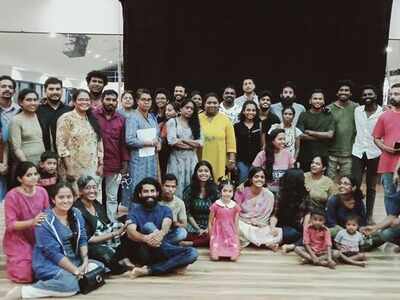
2019: 89 years after Rosy’s disappearance, a group of women from Malayalam film industry launches a film society in Kochi and names it after their forgotten first heroine. P.K. Rosy Film Society, according to the Women in Cinema Collective (WCC), the organisation of woman professionals in Mollywood, is an attempt to restore the name of all those who failed to find a place in the annals of film history for their caste, gender, religion or opinions.


The lost heroine

Vigathakumaran (The Lost Child) was the story of a child who goes missing and years later, accidentally gets back with his family. Call it irony, the heroine Rosy too vanishes, but her history is traced years after her death. Rosy belonged to a Dalit family in Thiruvananthapuram who was discovered by Daniel while she was playing a part in Kakkarasi theatre, a Tamil Dalit art form, and convinced her to play the lead in his debut movie. At an era where caste system was practiced openly in Kerala, a Dalit actor acting as an upper caste woman enraged the Nair community, who pelted stones at the screen, disrupted the movie’s screening and went on to ostracised Rosy’s family. They were manhandled and their hut was set afire, forcing Rosy and family to flee their native. The actor fled to Tamil Nadu where she is believed to have lived and died assuming a different identity, without letting anyone know about her past. No print of Vigathakumaran exists anywhere, leaving no proof of Rosy’s acting career. 


A memorial could be anything – a statue, award or building, but for a woman who was hounded for her identity and forced to vanish, what better way than a platform to remember everyone who has been shown the door from history! The WCC, formed in 2017 in support of a female actor who was assaulted in an incident allegedly masterminded by Mollywood actor Dileep, has been supporting movements and activities to support the marginalized and oppressed, both inside and outside the industry. The formation of P.K. Rosy Film Society is yet another huge step from the collective to celebrate the voices that have been silenced. 

All the founders and members of the society are ciswomen and transwomen and together, they will hold screenings films made by women and discourses on feminist cinema. Archana Padmini, film curator and one of the founders of the society, explains, “Kerala can be considered very rich in terms of film societies, but there are very few who engage films academically. Launching a film society was an idea that came up during one of the general body meetings of the WCC. Our major focus being representation of women and intervention in issues of all sorts of marginalization, we had to create a platform for discourses and never let those die. When we thought of a name, history gave us no choice other than P.K. Rosy, a woman who deserved justice.”

Rosy’s life story was pieced together from books penned by film historian Kunnukuzhy S. Mani (who wrote the booklet P.K. Rosy), Chelangatt Gopalakrishnan (biographer of J.C. Daniel) and Vinu Abraham (who penned Nashta Nayika). Based on these accounts, director Kamal made the Malayalam film Celluloid in 2013, depicting the tragic life of J.C. Daniel, Rosy and their ‘lost film’.

Director K.J. Jeeva, another founding member of P.K. Rosy Film Society observes that Rosy has been denied even after all these years, “The government hasn’t yet instituted an award in her name. Just look at her personal life. She vanished into oblivion, lived under another name, assumed her husband’s upper caste surname. Now, even her children or grandchildren do not want to talk about her Dalit identity. 

“Rosy is not the first and last Dalit woman in the industry who is ostracized for her identity. Even now, many hide their Dalit identity fearing that revealing it would cost them their career; that has to end in the long run. The society aims at initiating public discourses, against stereotyping, ostracism and toxicity in the industry. Film is a woman’s world too; we have been here since the beginning and we have to reassert that this space is as ours as yours. Many sensitive contents made and issues addressed through films have not reached the public. Our mission is to bring those films to people and trigger forgotten memories,” Jeeva stresses. 

The events of the film society will be open to all, but only women qualify to be the members. Any woman who wish to be part of the screenings and discourses can register with the society. As Archana puts it, their aim is to discuss genuine, sensible, political content through films, watching it together and let discourses happen. “Film societies,” she adds, “have played a huge role in shaping up the gender perspectives, critical thoughts and film viewing culture of film viewers in Kerala. (According to the Federation of Film Societies of India, the state is home to over 125 film societies). P.K. Rosy Film Society is a platform for those who view film as an art form in both aesthetic and academic terms. And we will associate with various fields for fruitful interactions.”

The first event held by P.K. Rosy Film Society was the screening Leela Santhosh’s short film Paikinjana Chiri made in Paniya Malayalam and Jeeva K.J.’s feature film Richter Scale 7.6 on displacement woes of kolam thullal (a ritual dance form) artists, followed by discussions. In November 2019, the society screened Agnes Varda’s 1961 film Cléo from 5 to 7, noted for its French feminism narrative. Four days before New Year, they screened Deepa Dhanraj’s multi-lingual documentary We Have Not Come Here to Die, that chronicles the suicide of Dalit research scholar Rohith Vemula in the University of Hyderabad which triggered a huge anti-caste movement across the country. In January 2020, they co-organised Samabhav, a two-day film festival on gender, masculinity and relationships. 


The women have more plans for 2020. “We will be holding monthly film screenings, appreciation classes, workshops, curated packages and more discourses,” Archana says.

Each film is a learning; it’s not meant to be watched and forgotten. As the end credits scroll and the lights turn on, it fills in the minds of audience too, sometimes as revelations, and at times, as revolution. 


Published in Deccan Herald on January 19, 2020

Kabita Mukhopadhyay, Political All the Way

She was born in West Bengal and groomed at Santhiniketan during vibrant and turbulent times in Indian politics and culture, but Kabita Mukho...