Showing posts with label Health. Show all posts

Monday, September 28, 2020

Is the Kerala model of tackling Covid an overreaction?

 Expert opinion is divided.
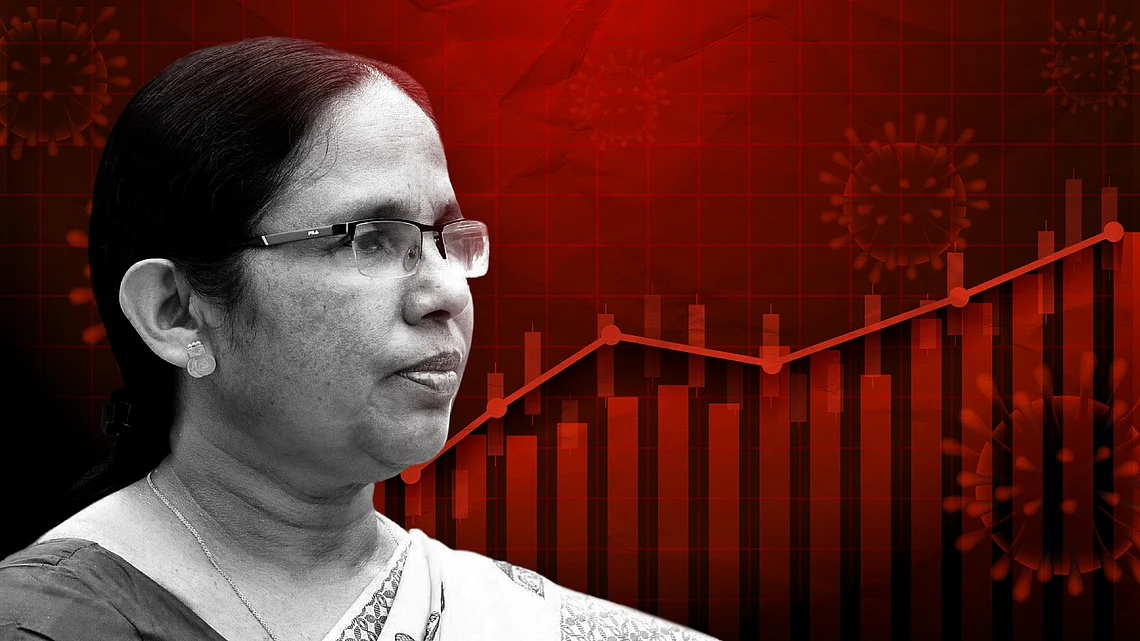

On January 30, India detected its first coronavirus patient, a student who had returned to Kerala from Wuhan, China, the epicentre of the pandemic. The Kerala government was prepared.
The state’s public health authorities, led by the health minister KK Shailaja, promptly put in place the protocol that they had used to successfully contain the Nipah outbreak in 2018. Strict quarantine rules, extensive surveillance and contact tracing measures, public testing and treatment facilities, and the distribution of rations to the needy ensured that the spread of the disease was contained quickly.
In the early months in particular, stringent quarantine rules saw even asymptomatic patients being taken to first-line treatment centres instead of being home quarantined. A few quarantined patients were denied permission to see their demised relatives one last time. As a result, new cases declined to a trickle by May. In fact, not a single new infection was recorded on May 1 and May 6.
The Kerala model, as the state’s response to the pandemic came to be called, earned wide praise internationally.
Nearly eight months on, Kerala is recording a spike in infections, adding over 7,000 new cases on September 27. The spike began after interstate travel restrictions were relaxed in May. The state recorded 238 new infections in March and 256 in April. Of these, 153 and 77 people, respectively, had returned from abroad. After the interstate borders were opened, Kerala saw 772 new cases in May, 3,173 in June, 19,171 in July, 51,772 in August, and 1,04,717 so far in September. The number of foreign returnees was 280 in May, 1,860 in June, 3,329 in July, 1,883 in August. Of the infections reported in September, around 93 percent have no travel history, indicating wide community spread.
It would seem, thus, that the strict measures taken by the Kerala government to contain the pandemic only delayed the inevitable.
So, did Kerala overreact in responding to the pandemic, more so since its handling of the health emergency contributed to panic, scaremongering, stigma, and even violence around coronavirus? Opinion is divided.
“Yes,” said Dr PK Sasidharan, former dean of the Government Medical College Hospital in Kozhikode. “I wouldn’t blame the government though. It’s just that the strategy they followed was incorrect. The intentions were genuine, but with no experience handling a situation like this, the decisions were wrong and the insights into public health were poor.”
The “first wrong step”, he added, was the decision to handle coronavirus like Nipah. “Coronavirus is more contagious than Nipah and has milder symptoms. Nipah was restricted to one geographical location, but the novel coronavirus spreads faster and will eventually affect everyone.”
In all, over 1.75 lakh people have contracted coronavirus in Kerala so far and at least 677 have died from it.
“The actual figures are far higher,” said a health inspector in North Kerala who asked not to be named because he wasn’t authorised to speak to the media. “Many deaths are not being recorded as coronavirus deaths. The situation is grave and not as projected.”
***
The Kerala government’s “overreaction” to the pandemic, as critics have described it, has come at significant financial cost, compelling the state to seek additional funds from New Delhi. Self-government institutions have been struggling to establish first-line treatment centres to accommodate even asymptomatic patients.
“Treating asymptomatic patients in first-line centres is not just an unscientific approach but a waste of resources as well,” remarked Sasidharan. “Elaborate arrangements and expensive medicines are provided for their intensive care.”
Though Kerala issued guidelines for home quarantining asymptomatic patients in August, many people, for fear of infecting family members and being stigmatised, demand hospitalisation, which is not denied.
The health inspector agreed with Sasidharan. “In the first phase, the government even provided new clothes for patients after burning the ones they wore. Many asymptomatic patients are taken to facilities run by the government. It is a huge financial burden. They could conveniently be home quarantined,” he said. “There is another flip side. People take it all lightly believing that even if they get affected, the government will take care of them.”
Dr KP Aravindan, a former professor of pathology who once led the Kerala Sasthra Sahithya Parishad, a grassroots movement to promote science, concurred that there had been “overreactions”.
“I feel that for asymptomatic cases, home isolation is a successful and less-burdening strategy for the government,” he pointed out. “If the numbers keep on rising, I think the government might compulsorily mandate home care for asymptomatic patients.”
He added, “The number of cases might not be correct as tests can be misleading. But considering the lower mortality rate, I think all is well as of now.”
Insistence on institutional quarantine has also caused some tragic incidents. A 19-year-old girl was raped by an ambulance driver on the way to a treatment centre where she was to be quarantined after testing positive for coronavirus. The authorities have since mandated the presence of two health workers in an ambulance and special care for women patients.
“That was an atrocious act committed by a sick man. It was unfortunate. There had not been a security lapse until then,” remarked a health official who asked not to be identified. “It could have been avoided had the patient not been transferred so discreetly.”
Sasidharan also complained about the constant revision of the Covid protocol, calling it inappropriate. “Quarantine rules were proper earlier, especially during the initial inflow of NRIs. All virus carriers could be identified and quarantined. Then the quarantine period was reducded from 28 days to 14 and now to seven.”
The health inspector concurred. “This doesn’t cover the incubation period properly and could actually facilitate community spread of the disease. People neglect symptoms or do not get tested at the right time as stipulated. And now every case has no source.”
This, he said, was partly an outcome of the “ridiculous situation” where “instead of epidemic control experts like public health officials, police have been given the power to initiate action against people who refuse to comply with the rules”.
“It’s absurd to have the police who are already burdened with responsibilities to work on the healthcare front. The protocol rules need to be revised and corrected for proper compliance,” the inspector said.
Sasidharan added, “Decentralised patient care should be decided by a panel of general practitioners who have adequate insight into public health issues and epidemiologists with a vision for a progressive society. With well-equipped primary care centres, a good team of health workers, intelligent planning on testing and isolating only the symptomatic and vulnerable ones who require critical care, the plan will be effective.”
***
On the other side, there are health experts who contend that the Kerala government adopted the right approach after coronavirus arrived. That it managed to even delay the peak of infections was a big success.
“History will keep only one record: how many survived,” said Dr Mohammed Asheel, citing the example of the Spanish Flu which killed nearly five crore people over four years in the first quarter of the last century.
Asheel is the executive director of the Kerala Social Security Mission, which is leading the fight against the pandemic. He continued, “We set up over 300 virology labs as well as quality infrastructure and health facilities. We could control imported cases with all these systems in place. Italy, with its all excellent facilities, let it peak and the cases spiralled out of control and many patients died. Delaying the infection peak has its own advantages. We get time to study the virus and then devise strategies to combat it.”
Aravindan agreed, “Almost six lakh people arrived in Kerala from the Gulf and we managed to control transmission. All current cases are connected to arrivals from other states after travel restrictions were relaxed and our deaths are also lower. It’s a huge success indeed.”
Moreover, he added, echoing Asheel, “The delayed peak will help conduct more research and continue interactions with the global research community to identify more viral traits. Until we find the vaccine, this will go on. It could be prolonged but it will be worth the wait.”
Dr Rajeev Jayadevan, the president of the Indian Medical Association’s Kochi chapter, even supported institutional treatment for asymptomatic patients.
Pointing out that the novel coronavirus isn’t harmless compared to flu viruses, he said, “This virus, unlike others, can suppress the symptoms and that’s why I recommend that even asymptomatic patients should not be left untreated. In many cases, the bewildering condition of happy hypoxia has been noted. The patient might not have noticeable symptoms, but their lungs would be deteriorating, reducing the amount of oxygen they can absorb. Those with serious lung, blood and cardiac conditions fall in high-risk categories.”
In the long run, though, decisions must be made depending on the available resources and the patient load, he added. “The world over, home treatment with proper monitoring is being followed. When numbers go higher, we too will have to go for optimisation of available resources. The virus does not spread according to a rulebook and predictions are irrational.”
***
Is Kerala equipped to deal with the ongoing spike in infections?
The government has maintained that it has provided more than adequate facilities and resources to deal with any situation. But with the cases suging, even the chief minister, Pinarayi Vijayan, has expressed worry. And Shailaja has expressed concern about the shortage of ventilators which could result in more deaths if the cases keep spiking. There is reportedly a scarcity of oxygen cylinders in the state’s public hospitals as well.
As of September 27, there were 380 Covid patients in ICUs across Kerala and at least 92 on ventilator support.
“As of now, we are good,” said Sulphi Noohu, the state secretary of the Indian Medical Association. “But at some places the cases are rising exponentially which is a cause for worry. Government and private hospitals in Thiruvananthapuram, Ernakulam, Kozhikode, Thrissur have adequate infrastructure and facilities to handle rising cases. But in Pathanamthitta, Alappuzha and Idukki, where the infrastructure and the number of hospitals are minimal since the people mostly depend on neighbouring districts for their healthcare needs, rising cases of infection might pose a grave problem.”


Published in Newslaundry on September 28, 2020

Sunday, March 22, 2020

Operation Corona: How Kerala led the way


The state had been battling Covid-19 for more than a month before Maharashtra reported its first case on March 10. As of Saturday, it had 40 cases, while Maharashtra had 53. A deep dive on how it swung into action

On March 7, two people with fever paid a visit to Dr Shambhu, a physician at Ranni Government Hospital in Kerala’s Pathanamthitta district. It had been more than a month since Kerala reported the first three cases of Covid-19 — students who had arrived from China — so he followed procedure, and asked if they had been to any foreign country recently. They hadn’t, but said they had come into contact with a family in their neighbourhood that had just returned from Italy, where the disease was spreading rapidly.

Dr Shambhu realised that sitting before him were the first cases of secondary transmission of Covid-19 in the state. He quickly shifted them to the isolation ward and informed the health department and district administration. A medical team reached the Italy returnees’ home in an ambulance and, despite their initial refusal to cooperate, took their family members — who included their aged parents — to the hospital. The family initially refused to admit that they were sick. But when they tested positive they admitted that they had refused to furnish their travel history to authorities, had dodged screening at the airport, and had been visiting relatives instead of staying at home.

The state soon launched a massive search across the two districts the family had been to, identified more than 3,000 who had come into contact with the family, and began monitoring them. To avert a community spread, the health ministry also released a route map of the places the family had been to since returning to India. Meanwhile, CM Pinarayi Vijayan and Minister of Health and Family Welfare KK Shailaja asked everyone to stay alert.

Ahead of time

Kerala’s ‘secret’, it turns out, was being prepared for the outbreak well before it began. Dr M Narayanan, president of the Indian Academy of Paediatrics, Kerala, says, “The outbreaks in Kerala and Italy took place at almost the same time. But now, when the death toll in Italy, which has free and quality healthcare, has crossed 4,000, Kerala has not had a single death, despite having fewer resources and facilities. We have been able to identify and isolate suspected carriers, including asymptomatic ones, to avert a community-level spread.”


In what minister Shailaja called ‘a self-designed protocol’ — something she learned from the state’s battle with the 2018 Nipah outbreak, which claimed 17 lives — a surveillance mechanism was put in place in mid-January. It was part of a larger plan that involved co-ordination between the state’s infrastructure, bureaucracy and people. Quarantine facilities and control rooms were set up in all 14 districts to keep tabs on those arriving from abroad.

On February 3, as soon as the first three cases were reported, the government announced a state health emergency. As many as 18 expert groups at the rapid response control room split tasks into areas such as quarantine, isolation, monitoring, contact tracing, media surveillance, field teams, etc. When a person arrived with symptoms, health officials sprang into action at once, tracing the journey of the patient, finding his or her primary and secondary contacts, and shifting them to quarantine to avert a community outbreak. When a person tested positive for Covid-19, a map of their journey was published so that people could easily identify those who were most at risk of contracting the disease.

Dr Amjith Rajeevan, an assistant surgeon at a primary health centre in Pathanamthitta district, who also heads the media surveillance team that looks for possible links to any Covid-19 suspect that may have been overlooked, says, “When the first three cases were reported, we had the advantage of knowing they had been home-quarantined. But when a family of three dodged screening upon arrival from Italy and tested positive after visiting various places, we had the task of averting a community outbreak. The first meeting of the rapid response team was called at 7.30 am, which was attended by officials from the Chief Minister’s Office and Health Ministry, doctors, healthcare workers, public representatives and surveillance training committees. It was decided to track down the travel history of the patients and fill in the missing links. For this, we needed the help of field workers, women’s selfhelp groups and support groups, who talked to people and sourced CCTV footage. More people were quarantined, and this helped control the spread.”

Those who were quarantined in their homes were monitored using GPS to ensure they remained indoors. To support the virology institute in Alappuzha, opened after the Nipah episode, four more testing facilities were opened in various districts. At meetings convened twice a day, the ground situation was assessed and necessary arrangements were made; district-wise data and statistics on required health facilities, medical assistance and food were compiled and presented. This is followed by a daily press conference — sometimes twice daily — at which the chief minister, the health minister or both turned people’s panic into vigilance by sharing information about new developments, assuring people of a positive outcome and appreciating their efforts. While health helplines and round-the-clock emergency services worked tirelessly to quarantine suspected carriers, schools were shut down, weddings and other events with large gatherings were postponed, and cinemas shuttered.

What is the Kerala model?

As of Saturday morning, Maharashtra had 53 Covid-19 cases, Uttar Pradesh 24, Rajasthan 17, Haryana 17, Delhi 26 and Karnataka 15. Kerala, which has been battling the outbreak for longer than any other state, had 40 cases, 44,390 people under observation, and zero casualties. Why has Kerala’s battle against Covid-19 been more successful — at least so far — than those of other states? “Compared to other Indian states, Kerala has a lot of advantages,” says Dr Amjith, who has been in charge of coordinating the state’s control rooms during past crises.

“Keralites are a global community and Covid-19 infections have now been reported from all over the world, but we were prepared to face it right from when it hit China. Equipped with a peoplefriendly health delivery system, state-ofthe- art infection control facilities, expertise of public health professionals and strong backing of district administrations, Kerala could face the challenges. The state also has another great advantage — highly educated local body representatives, who are in direct contact with the people. Kerala’s high literacy rate made spreading awareness easier,” he adds.

Apart from government medical colleges, primary and community health centres, the public and private sector healthcare systems in Kerala maintain high standards. As CM Vijayan put it, “We have excellent healthcare systems, from primary health centres to super-specialty hospitals. The spirit of this system is a popular partnership. Healthcare workers from all parts of the system have joined hands to battle this crisis.” Minister Shailaja says, “Our main target is to not lose any life. Community service and public cooperation — seeking medical assistance in case of symptoms — will help us win the fight. The key to containing the virus is responsible behaviour.”

That’s exactly what Arjun (name changed to protect his identity) exhibited when he and his friends — all of them MBBS students in Wuhan, the epicentre of the outbreak — returned to India just before the city was locked down. Arjun and two of his friends are the three first Covid-19 cases in India. He says, “Our 30-member team was the first to have landed in India from Wuhan. At Kolkata airport, we underwent basic tests and signed papers, after which we were given guidelines. Once I reached my home in Alappuzha district, I informed the health department of my arrival and stayed at home. A few days later, I saw that one of my friends had tested positive, becoming the first person in India with the disease. Though I had no symptoms, I put on an N95 respirator and reported to the nearest primary health centre.”

Harbinger of hope

Harbinger of hope Any new contagious disease brings with it desperation, panic and mass hysteria. To tackle these, the Kerala government introduced trustworthy communication channels and outreach programmes. Through the mobile app GoK-Direct Kerala, which sends real-time updates and SMS alerts to subscribers in various languages, the Department of Information and Public Relations ensure transparency. To improve the lives of everyone forced to remain indoors, the government announced it would increase WiFi bandwidth. Through social media campaigns such as ‘Break the Chain’, calls for social distancing, and by acting swiftly against those spreading fake news, it combated fear and stigma. The government also ensured the supply of essential commodities and medical assistance to the public for free. Children who could no longer go to anganwadis (rural child care centres) continued to receive their much-needed mid-day meals at home. “About 3.7 lakh students in 33,115 anganwadis in the state have benefitted from the initiative,” Shailaja says.

But the masterstroke of the Pinarayi government was the Rs 20,000-crore health package he announced on March 19 to revive the economy. Of this, Rs 2,000-crore is for disbursing loans through Kudumbashree, a women’s self-help group; Rs 1,320 crore for paying two months’ welfare pension in advance; Rs 100 crore for families that do not otherwise receive any welfare pension; and Rs 100 crore for free cereals through the Public Distribution System. He also announced the opening of subsidised lunch outlets, relaxation of power and water bills, and assistance to public transport staff.

The challenges ahead

The Kerala model has been praised widely, but with one-sixth of its 3.5-crore population being expatriates, the state is not taking anything for granted. If even one person under quarantine ventures outdoors, it could spark a community-level outbreak. “Had this shutdown been done earlier, we could have avoided the current risk of community spread from patients exposed to secondary transmission,” says Dr Narayanan. Though the state machinery was been able to contain the disease at first, this responsibility is now with the public. There are people who have organised or attended mass gatherings, prayer meets and temple festivals. Many who returned from the Hajj have not practised home quarantine. The six new positive cases reported on March 20 from Kasaragod district were infected by a foreign-returnee who attended weddings, public events and football matches, forcing the whole district to shut down.

Dr Narayanan said, “After a lull, cases have spiked. The disease has reached tertiary contacts. If this explodes, I am not sure that we have enough infrastructure, hospital beds, ventilators and intensive care units to accommodate all patients and combat a massive outbreak. Even the lives of healthcare professionals are at risk. Kerala also has a huge high-risk population of senior citizens, cancer patients and others who need immunosuppressants.” Though Kerala has better medical facilities than most other states, it has only 1.1 hospital beds for every 1,000 people. While the government is converting college hostels to Covid-19 centres, it will face a shortage of ventilators and ICUs in case of a community-level spread. The only way to combat the disease, therefore, is to practice social distancing.

 Published in Mumbai Mirror on March 22, 2020

Sunday, February 9, 2020

'Indian Monster' going strong

Known as ‘Indian Monster’ in bodybuilding circles, Mr Universe 2019 Chitharesh Natesan is actually Mr Determination.  


No one knew Chitharesh Natesan until late November, when cricket god Sachin Tendulkar tweeted about a historic win at South Korea – that the 33-year-old Keralite from Kochi put his hometown on the global map by becoming Mr Universe 2019. Chitharesh is the first-ever Indian to have won the title of Mr Universe in the World Bodybuilding and Physique Sports Championship, defeating participants from 38 countries and emerging as the Champion of Champions – again a first for India.

“A week before that I had won the Asian championships and become the Champion of Champions there too, but nobody knew about any of it until Sachin tweeted about it,” says Chitharesh, excitement booming in his voice. For this youngster for the tiny hamlet of Vaduthala in Kochi, the moment of recognition is a dream come true. His path to glory has been full of twists and turns. He is known by the nickname ‘Indian Monster’ in bodybuilding circles, but after a chat with Chitharesh, one would consider renaming him as Mr Determination. Numerous injuries, multiple breaks and missed championships didn’t affect his morale, but made him more focussed. Now, on a strict high-protein diet for over a year and long-hour workouts every single day, he believes he has more to do and a long way to go.

Chitharesh was not a wannabe bodybuilder; that was something that struck him at a later stage of life. His first love was hockey. “I started off as a hockey player since school days and went on to become a state-level player during graduation. Being a hockey player, I had to maintain my body weight and there was no chance of body building,” he recalls. He opted for his second graduation course at Lakshmibhai National College of Physical Education in Thiruvananthapuram, where he chose hockey as his specialisation.

After graduating, he moved to Delhi and started working with his friends’ fitness group there as a trainer. “There was very little scope for hockey in Delhi and I started weight training under the guidance of Sagar, my friend and coach,” adds Chitharesh, who considered contesting championships.

“In 2010, I participated in Mr Ernakulam championship, but soon, I met with an accident and contracted a foot infection that required two months’ bed rest. After preparations and training, I decided to compete in 2013, but a shoulder injury again pulled me down. I stayed off for one year,” he says. But the resting period had wonders in store for him. While recuperating, he took Latin Dance classes, where he met Nasiba, an Uzbek native. Soon, the two fell in love and they got married. Now settled in Delhi, the couple flies down to Kerala once in a while.

However, post injuries, Chitharesh bounced back and went on to become Mr India in three consecutive years from 2016. The year also saw him emerging as Mr India-Dubai. In 2017, he became Mr Delhi and the Champion of Champions in the contest. A year later, Chitharesh won Mr World title in the Europe-based IBFF championship and literally found himself on the top of the world. Then came the twist of fate. “I was hoping to earn a job with my win, but only then did I come to know that the federations I had been representing lacked recognition.”

He then joined Mumbai-based IBBF, where he was selected for Mr Asia championships. Chitharesh came home to meet his parents before the championships when hurdles, this time, came in the form of Kerala floods. With air traffic hit and whole life brought to a standstill, he rushed to rescue and relief operations though it took a toll on his diet and training. But he doesn’t brood over it, “When everyone around was affected, there was nothing to do. I and my friends were at the rehabilitation camps, coordinating rescue operations and helping people. There was no point in attending championships when you are not ready.”

Once on training mode, nothing would deter Chitharesh. No cheating, no breaks, not one day of eating out or hanging out. “In bodybuilding, focus and discipline are very important. So is money,” he smiles, explaining his daily diet of 300 g protein, 200 g carbohydrate and 100 g fat, which translates into 40 eggs and 1 kg chicken every day (6-7 meals a day)! “You have no idea how financially draining bodybuilding is,” he adds.

His advice to any aspiring bodybuilder is to find a good sponsor and a recognised federation to support their dreams, and an expert team of a trainer, doctor, physiotherapist. For Chitharesh, who had no sponsorship, his coach, friends, parents, wife and sisters have been his pillars of support.

“Participation in a championship means months of hard work and continuous training without any distraction. The more effort you put in the sweeter will be the success. And remember, there are no shortcuts, nothing at all,” he concludes.


 Published in Deccan Herald on February 9, 2020

Saturday, July 8, 2017

Silent pain of specially-abled

The world hardly knows what happens to special children, because they can seldom express their trauma


A recent CCTV footage exposed the torture of a child at a playschool in Kochi, thanks to the conflict between the proprietor and her employee. But not every child, savaged by caregivers, is fortunate. The world seldom gets to know what happens to special children, the most vulnerable and exploited lot because they can seldom express their trauma. 

There was uproar over the news of a 16-year-old special child being assaulted with a cane by a male warden and beaten black and blue blindfolded by the headmistress of a Kochi-based residential school for special kids. Parents of special children, under the banner of ‘Togetherwecan’, a Facebook group, has been campaigning against the illegal and inhumane practices at numerous private therapy centres – of which there is no record – which offer speech and language, behavioural and occupational therapies and special education classes. 

The parent advocacy group filed a public interest litigation at Kerala High Court on May 2 demanding among others standardisation of therapy for neurological disorders by introducing a syllabus, formation of a regulatory authority to check malpractices and transparency by letting the parent in the therapy room. A viral Facebook 10-minute video posted by Ms Padma Pillai, entrepreneur and the mother of a 12-year-old autistic boy, sheds light on the motive of the parent advocacy group which wants to protect rights of the children who are unable to express themselves. 

“All parents who have taken their children for therapy have had bad experiences at therapy centres. Children are being verbally and physically assaulted behind closed doors. Parents are not let in, claiming that children would not cooperate. As long as children can’t communicate what transpires in the room during sessions that last around an hour, no action can be taken. Though the district collector suggested installing CCTVs in rooms, many were not willing. We also talked to special educators and found that the claim about children being non-cooperative is sham. We won’t, any more, let rights of their children be violated,” says Ms Pillai. 

There have been many instances of special children being tortured by inexperienced therapists. In 2015, Ms Preetha Anup’s six-year-old autistic son suffered a fracture at a therapy centre in Kochi. The mother waited outside the room during occupational therapy sessions, little realizing that her child was crying. Only when his arm was fractured did parents realised the torture he was subjected to. “My child had to be operated as his arm was broken. The most shocking response was from the head of the centre, an occupational therapist, who claimed that the child had lesser bone density. We did tests and confirmed that there was nothing wrong with his bones. It never occurred to us that the child was being tortured when he appeared exhausted after each session and kept crying. We were told that it was normal; we didn’t realise we were being cheated,” Ms Anup says. 

More shocking was when they learnt that it was a physiotherapist, who handled the occupational therapy session that went awry. However, they didn’t sue the centre because by the time they gathered the strength to speak up, it was late and there were no chances of presenting evidence. Togetherwecan, in 2015, brought the issues to the attention of the Kerala State Commission for Protection of Child Rights, which checked the centres, reviewed the complaints and listed out recommendations, including laying down best practices, setting up district-level panels of experts and parents, setting guidelines for therapy centres and bringing all those under a regulatory body. However, the recommendations took two years to get printed as an official order, which is yet to be implemented.

‘Parents are often ignorant, scared’ Many parents, most of them on condition of anonymity, share their bitter experiences and unending shuttling between therapy centres unsure of the best chance for their child to become less dependent on others. “Many are unaware of the proper therapy practices and therapists don’t brief them properly. The helplessness and ignorance of parents are being exploited to the core. They don’t protest fearing rejection and isolation at the centres, faced by many who dared to. Also, there are no ways to know if they are approaching a bogus centre. There is absolutely no monitoring,” says Seema Lal, psychologist and petitioner, who filed the PIL.

 Ms Lal had to bear the brunt for participating in the parent advocacy programme against malpractices and filing the PIL by facing a smear campaign on social media for ‘defaming’ occupational therapists. “These are genuine demands. We don’t want to tarnish any particular centre. There should be a government alternative to private therapy centres,” she adds.

 Health and Social Welfare Minister K.K. Shylaja said strict action would be taken against perpetrators and that only the service-minded should step into the field. However, Seema has a different opinion, “They need not be service-oriented. They can make money, but they should do their job properly. Do the therapy correctly and guide the parents along the right path. Focus on home-based programmes by involving parents and equipping them to handle their kids instead of misguiding them stating that only therapists can help the children. Parent empowerment is the need of the hour. Instead of begging for mercy and attention, they need to realise that therapy and education is the right of their child,” she says. 

‘Transparency is need of the hour’ Mr Joseph Sunny, occupational therapist and director of Kochi-based therapy institute, Prayatna, says transparency at sessions is a must. “Despite our state leading in health sector, early intervention therapy is not given due importance. The only government centre that offers paediatric occupational therapy in the state is Child Care Centre at Thiruvanan-thapuram Medical College; the rest are private institutes. “We need taluk and district-level centres. Many can’t afford private therapy. At our centre, we offer up to 50 per cent concession for the deserving, but that’s the maximum. We too need to pay our professionals.” 

Mr Sunny, also the president of the State branch of All India Occupational Therapists Association, feels it is high time the state government constituted a council to regulate therapy professionals. “Priority should be given to the panel for therapists than centres. Qualified practitioners lack a regulatory body in the state. Outside Kerala, if any malpractice is brought to notice, strict action like derecognition takes place. Our association is doing its bit by collecting details of occupational therapists working in Kerala. 

“Sadly, owing to malpractices of a few, everyone gets branded. There are hundreds of dedicated therapists, but due to isolated cases, everyone’s reputation is tarnished,” he rues. 


 Published in Deccan Chronicle on July 9, 2017

Tuesday, July 4, 2017

Time to declutter your mind

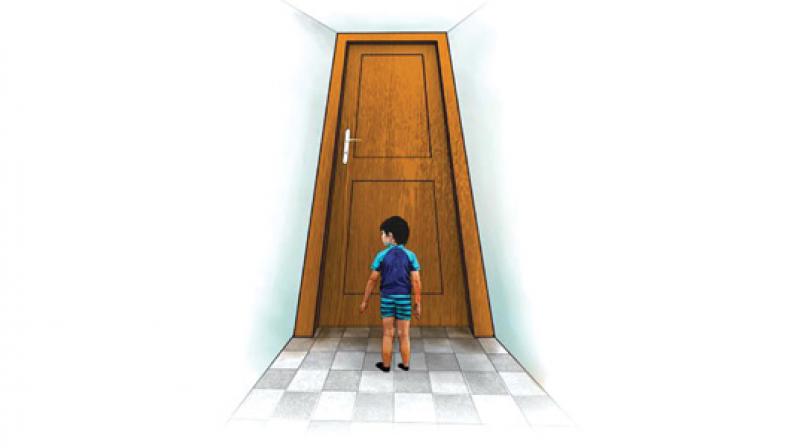
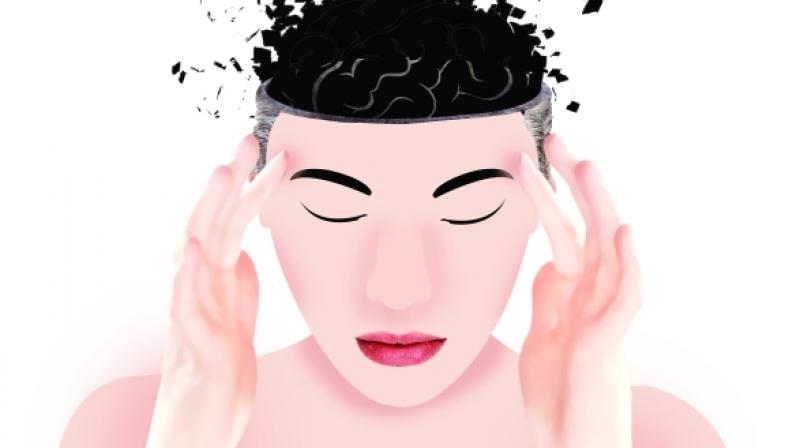
A mental block, the worst nightmare of a professional, can be dealt with sensibly by switching your activities or moving to a new place.


Everything might be going great with your career progressing upward, all your moves perfect and life flowing unhindered, but one day you just go numb, you can’t step ahead and everything appears frozen. Many of us might have faced this. From a student to a celebrity, a mental block is the worst nightmare! The moment you get stuck and lose the motivation to go on is dreaded by all. For some, it is just a passing phase; others need quick intervention — the sooner the better. But why does it happen? 

“There might be several reasons, mostly emotional ones,” explains Dr Shaji Prabhakaran, a senior consultant neurologist. “It’s a competitive world and everyone is under stress to outperform each other. There’s a lot of negativity and pressure that leads to mental blocks,” he says. Acceptance of the situation is the first step. “Understand that it can happen to anyone around you. Take a break, relax, find other interests and pursue them. In fact, activities like yoga can be of great help. If nothing is effective, do not give up. Seek professional help,” he says. 

A mental block that affects one’s performance, skill, creativity, career or life need not be sudden. “Some events might trigger your suppressed memories and you unconsciously block yourself. It can range from witnessing a death to a traumatic sexual abuse. Though we can’t say why the mind acts this way, obsessing about it doesn’t actually help much,” feels Dr C.J. John, chief psychiatrist of Medical Trust Hospital, Kochi.

The burden of expectations results in emotional turmoil in most cases. For a student, a wrong choice of course might make him realise it was not his cup of tea and cause mental blocks. Performance anxiety can be the trigger for an athlete or a sportsperson who loses focus. “Numbness is not insensitivity; it can be the result of hypersensitivity. That is why some people just watch and don’t act when accidents happen. They go numb as their mind prevents them from acting,” Dr John adds. 

However, all these can be dealt with sensibly. Urbanisation causes a block in all physical and emotional spaces. When leading a target-oriented lifestyle, you can’t escape from mental blocks easily unless you cultivate the ability to cope up with the fast pace. “Instead of getting tormented, address the aspect that bothers you and engage in confidence-building activities. Ideally, one has to focus on life above materialism. Change your action, switch your job, move to another place — just leave your past behind and start afresh. Script a new lifestyle and fix your priorities by managing time well. Be contented and choose peace over worries,” Dr John says. 

It’s as simple as clearing a cluttered table. Rearrange everything and break the mental wall that stands in your path!


 Published in Deccan Chronicle on July 5, 2017

Friday, June 30, 2017

A road less travelled

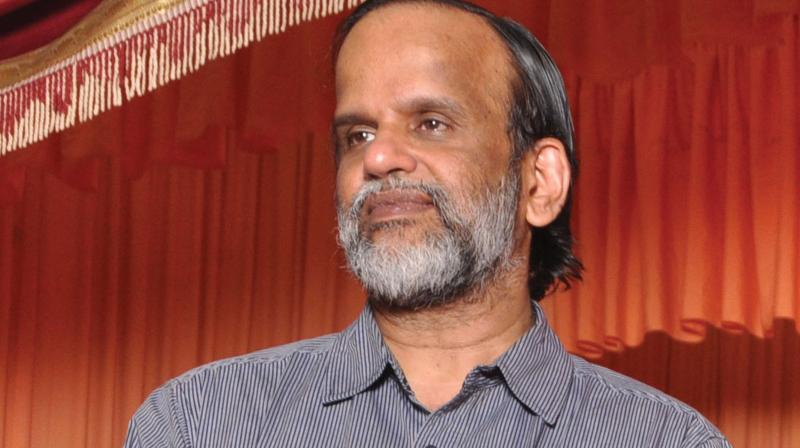
Noted oncologist and Dr V.P. Gangadharan reveals how life has changed after a cardiac arrest.


A new month begins with National Doctors Day, a day when people get the opportunity to show their immense gratitude to physicians for their selfless service and unparalleled contribution towards saving lives. The first face that crops up in the minds of Malayalis on the mention of the word ‘doctor’ is that of noted oncologist Dr. V. P. Gangadharan, who is fondly referred to as ‘Saint with a Stethoscope’. Such is his popularity as a loving human being and a compassionate physician that when he suffered a cardiac arrest a few weeks ago, social media was flooded with get-well-soon notes, messages and prayers for his speedy recovery.

What, according to Dr. Gangadharan, should a doctor be? After a few seconds of silence, he speaks, his soft voice embodying the spirit of compassion, “A doctor and a patient are not two beings who communicate sitting across a table. It’s more than a mechanical relationship. Though medical journals teach us not to build emotional attachment with the patients, my life has taught me otherwise. Only if a doctor empathises with the pain and suffering of the patient can he do justice to the treatment. The joy of the doctor-patient relationship is a deep experience.” 

His field — cancer treatment — must have helped him in developing his unique style of treatment. “Perhaps,” he says. “Cancer patients require constant support in all phases of life. The relationship of a doctor and a patient doesn’t end with treatment. Most of them are left alone during and after the treatment as part of blatant social stigmatisation despite several awareness programmes. So, the doctor is their only hope and solace and hence, has a great role in their lives — even while they make crucial decisions regarding education, career and marriage. You become the part and parcel of another person’s life,” says the physician, who believes in the power of smile. 

“All these are based on practical knowledge, not theories,” reasons Dr Gangadharan, adding, “Doctors’ is a profession like teachers’; both enjoy ample love and happiness. For all the support a doctor provides, the patients return love. That’s what I enjoy the most. That’s the richest earning you get out of the profession. Also, you are remembered by your patient’s relatives even if you couldn’t save their lives. Such is the love they shower upon you.” 

In a message to young doctors, he says, “Enjoy the beauty of the job. Once you experience it, you can’t choose materialism over the joy of the doctor-patient relationship. Believe in interactive treatment; it boosts the confidence of the patient and will help speedy recovery.” Dr Gangadharan’s consultation is also very special. He makes his patients at ease: making them sing, talk, warm up and bonds with them easily. With politically-inclined patients, his pep talk starts with political discussions. He explains, “I work by building affinity with them. Along with that, while they sing, I can know if the person has difficulty in holding breath and can indirectly assess the difference in their tones. They think of me as their own family and become confident while sharing everything about them. Recovery too becomes easier with their willpower.” 

The doctor is known for his round-the-clock service apart from his humanitarian initiatives. He is moved by the emotional response from people when he fell ill. Following his belief that love and support help quick recovery, he too was back on his feet in a few weeks. “I know I will never be able to repay the love and affection I am getting from people. I can speak volumes and write books about my experiences, but nothing I do would be adequate to express the love I receive. Being loved by almost 98 per cent of the patients you treat is an experience beyond words,” Dr. Gangadharan says. 

Back to his joyous profession and writing — with the same passion — the doctor has, however adjusted his regime. “I have started exercising in the morning, start work by 10 am and do not work late into night now,” he concludes.


 Published in Deccan Chronicle on July 1, 2017

Saturday, June 10, 2017

Look before you eat


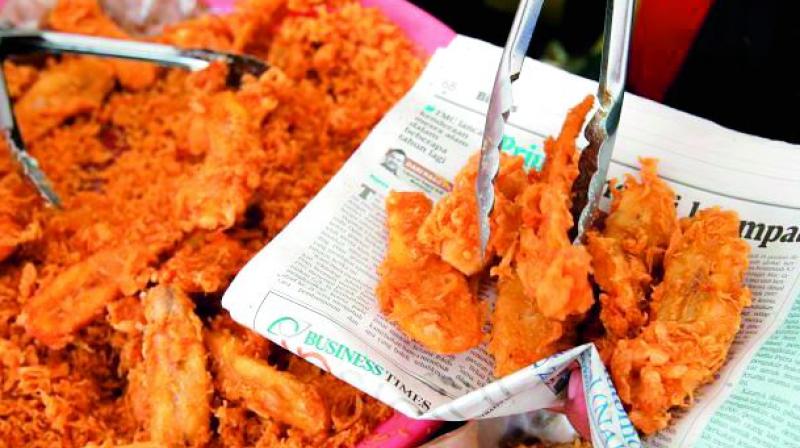
Steaming pakodas and piping hot tea from a roadside eatery seem welcome on a rainy day! But wait, look closely at the newspaper the pakodas are wrapped in, and the wax-coated paper cups in which the tea is served. Not just tasty, these delicacies may be layered with slow poison too. Some of our methods to deal with food might not be the safest,” cautions Dr. Saurabh Arora, founder, FoodSafetyHelpline.com, as he enlists a few dangerous situations people tend to overlook.

Newspaper wrappings and wax cups 
The dye and solvents used for printing can be toxic. The contents include chemicals and heavy metal ingredients, which lead to toxicity after a long-term accumulation in the body and might cause paralysis, allergies, DNA damage, cancer and affect your immunity. Food grade wax cups are safe, but one can’t just tell the safe ones apart. It is best to use glass or stainless-steel cups.

Rat droppings, urine... 
There are high possibilities of canned food stock being rummaged by rodents and cockroaches, while being stocked in storage, exposing them to rat droppings, urine and hair. Such food products, if tested positive for uric acid, indicate rodent infestation, which might cause viral infections, allergies and could affects one’s immunity. Make sure the cans are washed before breaking the seal.

Microwave cooking 
Some food like instant noodles, go straight into the microwave oven without being transferred to a safe cookware. One never knows if the container that comes with the product is suitable for microwave. It might leach chemicals as it gets heated, and spread the poison. Good quality glass, and silicon vessels are ideal for ovens. Even for cookware, low-quality teflon-coated pans that crack and get mixed in your food need to be discarded. Toxic chemicals from utensils are a threat to the functioning of your central nervous system and might cause mental, reproductive and developmental issues.

Cleaning agents 
While cleaning utensils, especially mixer grinders, ensure that no soapy smell remains. Also, rub your fingers on the surface to ensure that it is clean without residues. The effects of chemical poisoning depend on the strength of the cleaning agent. Simple soap residues can be digested, but stronger synthetic detergents can affect the gastrointestinal system.

Fungus in pickles 
The ‘normal’ practice of scooping out the fungal layer from pickles and cutting off the moulds from vegetables like tomatoes before consuming it, is dangerous and not recommended at all. Moulds go deeper than what meets the eye. It can affect your digestive and gastrointestinal functions if toxins have accumulated in the food. The moulds can produce aflotoxin and other mycotoxins which are known carcinogens.

Metal utensils and aluminium foil 
Metal containers made of copper or brass should not be used to store salt, imli, lemon juice, curd or anything acidic in nature. It reacts with the metal and contaminates the food. Ensure that quality stainless steel containers are used for storage. Many aluminium foils contain a plastic coating which is unsafe. Aluminium however, doesn’t react with anything and is preferred for storage, unless it is an alloy with lead, cadmium or other heavy metals, which contaminate food and cause retarded mental growth, stunted physical growth, liver damage, renal failure and nervous issues.

Plastic bottles 
To know how poisonous your container is, just check the smell. The strong smell from your new bottle shows how much toxin leaches into the water you drink. There is a regulated ‘overall migration limit’ for plastic to food and anything that violates it is dangerous. The monomers in plastic can cause DNA damage and even cancer.

Ants and insects 
Ants and insects can transport bacteria from drainage to food and cause infections. Any food touched by insects should therefore be chucked out. 

Human hair 
Presence of human hair in food is an indication of lack of hygiene. Though hair by itself is not toxic, it can have bacteria or fungus growing on it resulting in infection of digestive or pulmonary functions. So, stay alert and ensure that what you cook and eat are safe, healthy and toxin-free.

(Published in Deccan Chronicle on June 10, 2017)

Tuesday, May 30, 2017

Babycare: Myths and facts


For every woman, motherhood comes as a mix of emotions — of happiness, excitement, fear, confusion and unending questions. In the tug-of-war between traditional practices and modern-day notions, she will always be unsure about what is the best for her little one. 

Demystifying many popular notions, Dr Nitin Verma, associate director paediatrics, gives an insight into proper newborn care... 

Myths and facts:

Myth 1: For proper shape of baby’s head and to straighten the legs, oil massage, especially by Japa maids, are good. Putting drops of oil in baby’s ears and nostrils is healthy. 

Fact: Oil massage should be started after two weeks of birth using any baby oil. There is no need of a Japa maid. While most of them have the experience (not knowledge) to handle babies, many may have fixed ideas, not updated over the years. Also, massage does help shape the skull, but not the legs. Putting oil in ears and nostrils is a big no.

Myth 2: Applying natural body scrub ubtan (turmeric, gram flour, milk cream or curd paste) instead of soap nourishes the baby’s skin. 

Fact: Ubtan should be avoided and standard baby products like soap, shampoo and moisturising creams should be used. 

Myth 3: Feeding honey, or herbal paste (like bach) is healthy. 

Fact: Honey is contraindicated in the first year of life as it can cause Botulism, a form of poisoning. Similarly, herbal paste should not be used.

Myth 4: Can babies be given water? Will there be dehydration? 

Fact: No water is given to the baby till six months of age. Milk — breast or formula — provides adequate amount of water. The total amount of fluids a baby takes is fixed. Let us say a baby drinks 700 ml of milk. If we give 100 ml of water, the baby will drink 600 ml of milk. So while fluid will remain constant, the baby will lose out on proteins and calories in that 100 ml.

Myth 5: Wrapping babies tightly or swaddling helps proper development and straightening legs. 

Fact: Swaddling is the art of snugly wrapping a baby in a blanket for warmth and security. It can keep babies from being disturbed by their own startle reflex. It can also help babies stay warm and toasty for the first few days of life until their internal thermostat kicks in. It may even help to calm babies. It has nothing to do with keeping legs straight. 

Myth 6: The use of kajal (even if it is homemade). 

Fact: Kajal is not to be used for a year. 

Myth 7: Crying is good for the baby’s lungs. 

Fact: Crying is a natural phenomenon which has nothing to do with being good for lungs. 

Myth 8: Sunbathing keeps newborn healthy. 

Fact: Sunbathing, besides giving Vitamin D, causes tanning. All babies are routinely supplemented with Vitamin D since birth, so limited sun bathing is required. 

Myth 9: Moms should not breastfeed if they have fever or diarrhoea. 

Fact: Medicines taken by mothers get secreted in breast milk, hence they must check what medicine they can consume while breastfeeding. However, mothers may breastfeed with minor fever and diarrhoea as long as they feel well enough to do so. 

Myth 10: Using talcum powder and/or good nourishing cream. 

Fact: Talcum powder can be used after a month of age. Avoid so-called nourishing creams and use standard baby products. 

Myth 11: Baby’s tongue can be cleaned using cotton. 

Fact: Cotton should not be used to clean the tongue; instead, use a wet muslin cloth. 

(Published in Deccan Chronicle on May 30, 2017)


Monday, May 1, 2017

Serena of All Super Moms


When Serena Williams, hailed as the Greatest Of All Time (GOAT), announced that she was pregnant, the whole world responded with a surprised gasp. It was just weeks ago that the tennis superstar won the Australian Open without dropping a single set — her foetus should have been eight weeks old then. The news in no time set off a verbal duel in the cyber world between many admiring her amazing physical and inner strength, and others considering it ‘disrespectful’ and dangerous to the baby and an act trivialising motherhood.


With gynaecologists usually advising women to be cautious during week one to 12 that is the first trimester, does Serena’s graceful win bust the myths surrounding pregnancy care? Such as one should not engage in strenuous physical activities or undergo emotional stress? 

“Not necessarily,” says Dr Deepa Ganesh, Chennai-based laparoscopic and cosmetic gynaecologist, “Usually, one would not realise that they are pregnant till the eighth or ninth week; they might not feel any symptoms till then. We normally suggest avoiding physical activity only if they have symptoms like spotting or have had a history of miscarriage or were undergoing IVF treatment.”


In Serena’s case, pregnancy could have helped her put up her best show. “People who are physically active like Serena, have good cardiac activity and during pregnancy, their blood volume and cardiac output increases. More blood flows into the muscles, oxygen supply increases and the hormones secreting oestrogen, progesterone and some amount of testosterone will increase the muscle mass. Of course, it varies with person. But this could have boosted her performance too,” feels Dr Deepa. There is also a popular belief that pregnancy in women above 30 years falls under the high-risk category.


By undergoing long practice sessions, emotional stress and hectic training, 35-year-old Serena surprised everyone. “After 30 years, bone strength reduces and women are at a risk of developing hypertension and diabetes and due to their age, the child too has a risk of Down’s syndrome. But now-a-days, marriage and pregnancies happen late. But we have all facilities to keep a tab on the baby’s growth, check genetic disorders and take care of the mother’s health. With proper monitoring and increased checkups, delivering a healthy baby is not difficult,” opines Dr Manjula Anagani, Chief Gynaecologist and Obstetrician, Hyderabad.

For most of the expectant mothers out there, pregnancy is no easy phase. It is a time of sickness that goes beyond ‘morning’, of extreme fatigue, of throw-up sprees and an emotional rollercoaster. So what makes Serena class apart? 

“Definitely her training,” says Dr Manjula. She further adds, “Taking care of her lower back is extremely important. With proper liquid intake, adequate diet that ensures good calorie intake, physiotherapy, controlled exposure to heat to avoid dehydration, exercises and getting enough breaks, a healthy pregnancy is possible for Serena. But since the uterus is a low-resistant organ, she should not fall and subject it to any trauma. Otherwise, she can deliver a healthy baby.” However, Serena is not the first pregnant sportsperson in her best form. Kerri Walsh Jennings won her Olympic gold in beach volleyball when she was five weeks pregnant. Canadian curler Kristie Moore sported a five-month baby bump when she won silver at the Vancouver Winter Olympics. 

‘Flying Flower’ Alysia MontaƱo was just six weeks away from giving birth to her daughter when she competed in an 800-m race. Do all these examples mean that it is safe for pregnant women to engage in hardcore sports? 

Dr Deepa says that there is no need to stigmatise lighter sports, though she wouldn’t advise a ‘rough sport’ after eight weeks. “We have instances of heavily pregnant women participating in marathons. “Exercise is usually recommended. Walking, running, and hitting the gym are fine, especially if you have been doing it before pregnancy; just make sure that you remain in the comfort zone. The moment you feel uncomfortable, stop doing it,” she stresses. 

Dr Manjula concurs, “Being a sportsperson, Serena’s abdominal walls will be stronger than normal pregnant women. So, that makes her different from others. But if others try to imitate her, it might lead to complications. “Exercising under proper supervision is recommended; even swimming is good. You just need to ensure than the uterus doesn’t suffer any trauma.” In short, not all moms-to-be can be stellar like the ‘GOAT’, but by carrying a life, they are still superwomen.

(Published in Deccan Chronicle on May 2, 2017) 


Kabita Mukhopadhyay, Political All the Way

She was born in West Bengal and groomed at Santhiniketan during vibrant and turbulent times in Indian politics and culture, but Kabita Mukho...