Showing posts with label Review. Show all posts

Friday, July 9, 2021

സാറാസ്: കുട്ടികൾ വേണ്ട എന്ന് ഒരു സ്ത്രീ തീരുമാനിച്ചാൽ സംഭവിക്കുന്നത്

 ‘സാറാസ്’ ഒരു ഗംഭീര സിനിമയൊന്നുമല്ല, പൊരുത്തക്കേടുകളും വിശ്വാസയോഗ്യമല്ലാത്ത സന്ദർഭങ്ങളും ഏറെയുണ്ട്. എന്നിരുന്നാലും reproductive rights എന്ന ഗൗരവകരമായ വിഷയം ചർച്ച ചെയ്യുന്ന സിനിമ എന്ന നിലയ്ക്ക് ഒരു നല്ല തുടക്കമാണ്. ചർച്ചകളും ചിന്തകളും തിരുത്തലുകളും ഉണ്ടാക്കാൻ ആകുമെങ്കിൽ, പോരായ്മ പരിഹരിച്ച് ഇത്തരം സിനിമകൾ തന്നെയാണ് ഇനിയും ഉണ്ടാകേണ്ടത്.


ഒരു കറി പൗഡർ കമ്പനിയുടെ പേര് എന്തിനായിരിക്കും തന്റെ മൂന്നാമത്തെ ചിത്രത്തിന് ജൂഡ് ആന്തണി ജോസഫ് തിരഞ്ഞെടുത്തത് എന്നാണ് 'സാറാസ്' എന്നുകേട്ടപ്പോൾ ആദ്യം തോന്നിയത്. ഫസ്റ്റ്‌ലുക്ക് പോസ്റ്ററിൽ ഒരു മത്തങ്ങ കൈയ്യിലേന്തി നിൽക്കുന്ന അന്ന ബെന്നിനെ കണ്ടപ്പോൾ ഓർത്തതും What's cooking എന്നാണ്. പക്ഷെ സാറയുടേത് എന്നർത്ഥം വരുന്ന സാറാസ് സംസാരിച്ചത് മുഴുവൻ ഒരു സ്ത്രീയെക്കുറിച്ചാണ് - അവളുടെ അവകാശങ്ങൾ, സ്വപ്നങ്ങൾ, സന്തോഷം, അവളവളെക്കുറിച്ചുള്ള (പ്രയോഗത്തിന് കടപ്പാട് മറ്റൊരു സാറയോട്, സാറ ടീച്ചറോട്) തീരുമാനങ്ങൾ എന്നിവയെക്കുറിച്ചാണ്. ഒരു പ്രോ-ചോയ്‌സ് സിനിമയാണ് സാറാസ്; ഗർഭധാരണത്തിൽ ഒരു സ്ത്രീയുടെ ചോയ്‌സ് എന്ന വിഷയമാണ് സിനിമയെ വേറിട്ടതാക്കുന്നത്.

പ്രത്യുത്പാദനവുമായി ബന്ധപ്പെട്ട തീരുമാനങ്ങളിൽ മലയാള സിനിമ സ്ത്രീകളെ പാട്രണൈസ് ചെയ്തു കണ്ട ശീലമില്ല നമുക്ക്. ഗർഭച്ഛിദ്രത്തെ കൊലപാതകമായും അമ്മ/അച്ഛൻ ആകാതിരിക്കൽ ക്രൈമും ആയാണ് സ്‌ക്രീനിലും പുറത്തും കണ്ടുപോരുന്നത്. എന്തിന്, പാരൻറിങ്​ എന്നതിന് തത്തുല്യമായ ഒരു വാക്ക് പോലുമില്ല ഭാഷയിൽ.

1985ലെ 'അവിടത്തെപ്പോലെ ഇവിടെയും' എന്ന സേതുമാധവൻ ചിത്രത്തിൽ പ്രസവിക്കേണ്ട എന്ന തീരുമാനത്തെത്തുടർന്ന്  ഗർഭനിരോധനഗുളിക ഉപയോഗിക്കുന്ന നീലിമ പ്രതിനായികയാണ്. 2009ലെ  അക്കു അക്ബറിൻറെ 'കാണാക്കണ്മണി' എന്ന ചിത്രത്തിൽ ഭ്രൂണം പ്രേതമായി വന്ന് തന്നെ നശിപ്പിച്ച മാതാപിതാക്കളെ വേട്ടയാടുകയാണ്. എന്നാൽ 2018ലെ അന്താരാഷ്‌ട്ര ചലച്ചിത്രമേളയിൽ പ്രദർശിപ്പിച്ച നദീൻ ലബാക്കിയുടെ ലെബനീസ് ചിത്രം 'കാപ്പർനോ'മിൽ തൻ്റെ മാതാപിതാക്കൾക്ക് ഇനിയും കുഞ്ഞുങ്ങൾ ഉണ്ടാകരുത് എന്ന് കോടതിയിൽ ആവശ്യപ്പെടുന്ന പന്ത്രണ്ടുകാരനായ സെയിനിനെ വലിയ കരഘോഷം കൊണ്ടാണ് മലയാളി സിനിമാ ആസ്വാദകർ എതിരേറ്റത്. കഴിഞ്ഞ ദിവസം ആമസോൺ പ്രൈമിൽ റിലീസ് ചെയ്ത സാറാസിലെത്തുമ്പോൾ ശരി-തെറ്റ് ചർച്ചകൾ തീരുന്നില്ല. തനിക്ക് കുട്ടികൾ വേണ്ട എന്ന തീരുമാനം ചെറുപ്പം മുതൽ തന്നെ കൈക്കൊണ്ടിട്ടുള്ള നായികയെ സെയിനിനെ ആശ്ലേഷിച്ചയത്ര സ്നേഹത്തോടെയല്ല കേരളം എതിരേറ്റത് എന്ന് കാണാം. കാരണം, സാറാസ് പ്രധാനമായി ചർച്ച ചെയ്യുന്നത് മലയാള സിനിമയുടെ ഇന്നേ വരെയുള്ള ചരിത്രത്തിൽ സ്റ്റിഗ്മറ്റയിസ് ചെയ്ത് അവതരിപ്പിക്കപ്പെട്ടിട്ടുള്ള രണ്ടു പ്രധാന വിഷയങ്ങളാണ് -- പ്രത്യുത്പാദനസ്വയംനിർണയാവകാശവും റെസ്പോൺസിബിൾ പാരന്റിംഗും. രണ്ടും കണ്ടും ശ്രമിച്ചും പരിചയമില്ലാത്ത മലയാളി ഞെട്ടൽ സ്വാഭാവികം!

മാതൃത്വത്തെ കാല്പനികവത്കരിച്ചും പ്രകീർത്തിച്ചും ശീലിച്ച, 'എല്ലാവർക്കും ഉണ്ടല്ലോ, അതുകൊണ്ട് ഞങ്ങൾക്കും' എന്ന കാരണം കൊണ്ട് മാത്രം procreate ചെയ്യുകയും ചെയ്യുന്ന ആളുകൾക്കിടയിലേക്കാണ് തിരക്കഥാകൃത്തായ അക്ഷയ് ഹരീഷ് സാറയുടെ കഥ പ്ളേസ് ചെയ്യുന്നത്. തൻ്റെ ആദ്യ സംവിധാന സംരംഭത്തിന്റെ ഒരുക്കവുമായി ബന്ധപ്പെട്ട ഗവേഷണവും ലൊക്കേഷൻ-നിർമാതാവ് അന്വേഷണവുമായി നടക്കുന്ന ഇരുപത്തിയഞ്ചുകാരിയായ സാറയുടെ ആദർശങ്ങളും വീക്ഷണങ്ങളും ചുറ്റുമുള്ളവരുമാണ് സിനിമയിൽ. തൻ്റെ ത്രില്ലർ മോഡിലുളള ചിത്രത്തിനായുള്ള ഗവേഷണത്തിനിടയിൽ കണ്ടുമുട്ടുന്ന ജീവൻ (സണ്ണി വെയിൻ) തന്നെപ്പോലെ കുട്ടികൾ വേണ്ടെന്ന തീരുമാനത്തിലാണ് എന്നറിഞ്ഞ ശേഷം അവർ പ്രണയത്തിലാകുന്നു. തൻ്റെ ആദ്യസിനിമാസ്വപ്നം പൂർത്തീകരിക്കും മുമ്പ് വിവാഹജീവിതത്തിലേക്ക് പ്രവേശിക്കുന്ന ഇരുവരും ആദ്യ ആഴ്ച തന്നെ നേരിടുന്നത് വലിയ സമ്മർദ്ദമാണ്. മതം, നാട്ടുനടപ്പ്, സന്തോഷം എന്നീ conditioned പൊതികൾ കൊണ്ടുമൂടി അവളുടെ cool dad (ബെന്നി പി നായരമ്പലം) ഉൾപ്പടെയുള്ള ബന്ധുക്കൾ സാറയെ പ്രസവത്തിന്റെ ആവശ്യകതെയെപ്പറ്റി  'ബോധവത്കരിക്കാൻ' ശ്രമിക്കുന്നുണ്ട്. അവളോടൊപ്പം നിൽക്കുന്ന ജീവൻ പിന്നീട് ഈ തീരുമാനത്തെച്ചൊല്ലി സഹപ്രവർത്തകർക്ക് മുന്നിലും അമ്മയുടെ (മല്ലികാ സുകുമാരൻ) മുമ്പിലും തൻ്റെ 'പൗരുഷം' ചോദ്യം ചെയ്യപ്പെടുമ്പോൾ പതറുന്നുണ്ട്. ഓർക്കാപ്പുറത്തുണ്ടാകുന്ന ഗർഭം സാറയെ തൻ്റെ തീരുമാനത്തിൽ ഉറച്ചു നിൽക്കാനും  ജീവനെ പുനർവിചിന്തനം നടത്താനും പ്രേരിപ്പിക്കുന്നു. 

'അടുത്ത അഞ്ജലി മേനോൻ' എന്ന് വിശേഷിപ്പിക്കപ്പെടുന്ന സാറ അവളുടെ ശരീരത്തിന്റെ അവകാശികളും സംരക്ഷകരും അവളൊഴികെ മറ്റെല്ലാവരും ആണെന്ന് തിരിച്ചറിയുന്നു. ഒപ്പം, ഒരു accidental pregnancy അഥവാ contraceptive failure ദൈവഹിതമായും കുടുംബത്തിന്റെ സന്തോഷമായും കാണുന്നവർക്കിടയിൽ സാറ തന്റെ സന്തോഷം ആരുടേയും താല്പര്യമല്ല എന്നും. യഥാർത്ഥ പരിസരങ്ങളിൽ അപൂർവങ്ങളിൽ അപൂർവമായ ഒരു ഗൈനക്കോളജിസ്റ്റ്  (സിദ്ദിഖ്) സിനിമയിലുണ്ട്. തന്റെ ശരീരം തന്റെ മാത്രം അവകാശമാണ് എന്ന് സാറയോട് വ്യക്തമാക്കുന്ന , ഉത്തരവാദിത്വപ്പെട്ട ചുമതലയായ parenting വളരെ ആലോചനയും ചർച്ചകളും ഒരുക്കങ്ങളും വേണ്ടുന്ന ഒന്നാണ് എന്നും, അതിനുള്ള മനസ്സോ ടാലന്റോ ഇല്ലെന്ന് ബോധ്യമുള്ളവർ സമ്മർദ്ദത്തിന് വഴങ്ങി മോശം രക്ഷാകർത്താക്കളായി മാറരുത് എന്നും ഡോക്ടർ പറയുന്നുണ്ട്. 

വിവാഹം, പ്രസവം, ജോലി, കുഞ്ഞുങ്ങളെ പരിപാലിക്കൽ, പ്രസവം നിർത്തൽ എന്നിവയിലെല്ലാം സമൂഹം നിഷ്കർഷിക്കുന്ന അലിഖിത നിയമങ്ങൾ കാലങ്ങളായി പാലിച്ചു പോരാൻ നിര്ബന്ധിക്കപ്പെടുന്ന സ്ത്രീകൾക്ക് തങ്ങളുടെ ബോധ്യങ്ങളെ നിലനിർത്താൻ ഉള്ള തടസ്സങ്ങൾ ധാരാളമാണ്. ഒരു സ്ത്രീ കുട്ടികൾ വേണ്ട എന്ന നിലപാട് സ്വീകരിക്കുമ്പോൾ അതവളുടെ സ്വാർത്ഥതയായും 'മറ്റേ ഫെമിനിസ'മായും വ്യാഖ്യാനിക്കുന്ന സമൂഹം അവളെ ഒരു social trapലാക്കുകയാണ്. അതിൽ വീഴാതിരിക്കാനുള്ള സാറയുടെ ശ്രമങ്ങളാണ് സിനിമയിൽ. Shared responsibilityകളിലൂടെ ജീവിതത്തിൽ തുല്യത പുലർത്തുന്നു എന്ന് കരുതുന്ന ജീവന് മുമ്പിൽ പ്രത്യുൽപാദന അവകാശം ഇല്ലാത്തയിടത്ത് തുല്യതയില്ല എന്നും തൻ്റെ സന്തോഷവും പ്രധാനമാണ് എന്ന് സാറ അടിവരയിടുന്നു. താൻ ജീവിച്ചു തീരുമ്പോൾ തൻ്റെ കാലം അടയാളപ്പെടുത്തേണ്ടത് തന്റെ കലയിലൂടെയാണ് എന്നും കുഞ്ഞുങ്ങളിലൂടെയല്ല എന്നും സാറയ്ക്ക് വ്യക്തതയുണ്ട്. 

ജൂഡിന്റെയും അക്ഷയുടെയും ഈ ചിത്രത്തിൽ മറ്റു മേഖലകളിൽ പ്രശസ്തരായ ചിലരെ നടീനടന്മാരായി കാണാം -- പ്രശാന്ത് നായർ IAS, അവതാരക ധന്യാ വർമ്മ, ഒതളങ്ങാത്തുരുത്തിലൂടെ പ്രശസ്തനായ അബിൻ ബിനോ, തുടങ്ങിയവർ. ഓരോ സിനിമ കൊണ്ടും അതിശയിപ്പിക്കുന്ന അന്നയുടെയും മല്ലികയുടെയും സിദ്ധിഖിൻറെയും മികച്ച പ്രകടനങ്ങൾക്കിടയിൽ അല്പമെങ്കിലും പിടിച്ചു നിൽക്കുന്നത് സണ്ണി വെയിനാണ്. നിമിഷ് രവിയുടെ ദൃശ്യങ്ങൾ, ഷാൻ റഹ്മാൻറെ ഈണങ്ങൾ എന്നിവ കഥ പറച്ചിലിനെ സഹായിക്കുന്നുണ്ട്.  

പ്രത്യുത്പാദനസ്വയംനിർണയാവകാശത്തിനു പുറമെ സിനിമയിൽ പറഞ്ഞു പോകുന്ന വിഷയങ്ങളിൽ തൊഴിലിടത്തിലെ ലിംഗവിവേചനം, കുടുംബത്തിലെ സ്ത്രീകൾക്ക് പുരുഷന്മാർ 'അനുവദിച്ചു കൊടുക്കുന്ന സ്വാതന്ത്ര്യം' എന്നിവ പ്രത്യക്ഷമായി കാണാമെങ്കിലും പല രംഗങ്ങളും mansplainingലും വൈരുധ്യങ്ങളിലും ഉടക്കി നിൽക്കും. 'ഞാനില്ലെങ്കിൽ കാണാമായിരുന്നു' എന്ന് പറഞ്ഞും പറയാതെയും സാറയുടെ സ്വപ്നങ്ങളുടെ പങ്കു പറ്റുന്ന ആണുങ്ങൾ, വിവാഹം കഴിക്കാൻ മകൾക്ക് ആറു മാസത്തെ deadline കൊടുക്കുന്ന അച്ഛൻ...  

പല തരം ദമ്പതികളെ സിനിമയിൽ കാണാം -- എല്ലാവർക്കും അവരവരുടെ ശരികളും തീരുമാനങ്ങളും ജീവിതവുമുണ്ടെന്ന് കാണാം. കുഞ്ഞുങ്ങളെ വളർത്താൻ തന്റെ വിലപ്പെട്ട വർഷങ്ങൾ ത്യജിക്കേണ്ടതില്ല എന്ന് കരുതുന്നവരും, 'കഴിവ്' തെളിയിക്കുന്നവരും, കർത്താവ് തരുന്നത് കൈനീട്ടി വാങ്ങുന്ന ഭർത്താവും, കുട്ടികളുടെ പരിചരണത്തിൽ ആനന്ദം കണ്ടെത്തുന്നവരും, ജോലിയും വീടും ഒരുമിച്ച് കൊണ്ടുപോകാൻ പാടുപെടുന്നവരും, ജോലിയ്ക്കു പകരം കുടുംബം മതിയെന്ന ചോയ്‌സ് മാത്രം ആയിപ്പോയവരുമെല്ലാം ഉണ്ട് സാറാസിൽ. സിനിമയുടെ പക്ഷം പക്ഷെ സാറയുടേതാണ്.      

അത്യന്തം സെൻസിറ്റിവ് ആയ ഒരു വിഷയം നാടകീയതയും വൈകാരികതയും ഇല്ലാതെ പറയാൻ ശ്രമിക്കുന്നുണ്ടെങ്കിലും ഒന്നാം പകുതിയിലെ ഒതുക്കം പതുക്കെ നഷ്ടപ്പെടുന്നതായും തോന്നി. മെട്രോ നഗരത്തിൽ സുഖലോലുപതയിൽ ജീവിക്കുന്ന സാറയുടെ കഥ ഒരു privileged classൻറെ പരിച്ഛേദം ആയിട്ടാണ് കാണാനാവുക. Tail end പാക്കേജിലെ കഥാപാത്രങ്ങളെ തമാശരൂപേണ അവതരിപ്പിച്ചതും വിഷയത്തിന്റെ ഗൗരവത്തിൽ വിള്ളൽ ഉണ്ടാക്കിയതായി തോന്നി. ഒറ്റവിഷയത്തിൽ ഊന്നിയുള്ള കഥപറച്ചിലിൽ വലിച്ചുനീട്ടൽ അനുഭവപ്പെട്ടു. പലയിടങ്ങളിലും നറേറ്റിവ് അത്ര convincing ആയിരുന്നില്ല. എത്ര സൗകര്യപൂർവമാണ് സാറയുടെ തീരുമാനങ്ങളെ ഒടുക്കം എല്ലാവരും ശരി വയ്ക്കുന്നത്. യഥാർത്ഥജീവിതത്തിൽ അത്രയും തിരിച്ചറിവുകളുള്ള നന്മ നിറഞ്ഞ മനുഷ്യരുണ്ടായിരുന്നെങ്കിൽ എത്ര നന്നായേനെ! 

സാറാസ് ഒരു ഗംഭീര സിനിമയൊന്നുമല്ല, പൊരുത്തക്കേടുകളും വിശ്വാസയോഗ്യമല്ലാത്ത സന്ദർഭങ്ങളും ഏറെയുണ്ട്. എന്നിരുന്നാലും reproductive rights എന്ന ഗൗരവകരമായ വിഷയം ചർച്ച ചെയ്യുന്ന സിനിമ എന്ന നിലയ്ക്ക് സാറാസ് ഒരു നല്ല തുടക്കമാണ്. ചർച്ചകളും ചിന്തകളും തിരുത്തലുകളും ഉണ്ടാക്കാൻ ആകുമെങ്കിൽ, പോരായ്മകളെ പരിഹരിച്ച് ഇത്തരം സിനിമകൾ തന്നെയാണ് ഇനിയും ഉണ്ടാകേണ്ടത്.    


Published in Truecopy Think on July 8, 2021

Saturday, January 16, 2021

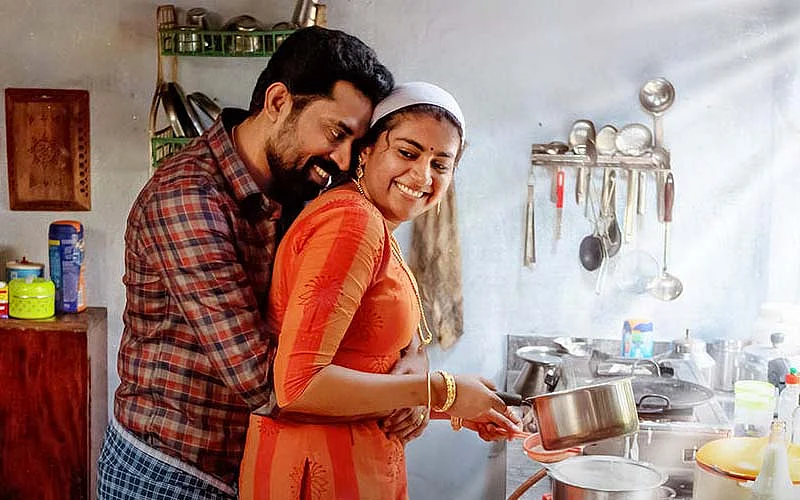
സിനിമയുടെ കെട്ട് ഇറങ്ങിക്കഴിയുമ്പോള്‍ അടുക്കളയിലേക്ക് നോക്കി 'ഒരു ചായ' എന്ന് വിളിച്ചു പറയാതെ ഇരിക്കുക | The Great Indian Kitchen Review


സ്വന്തം ഉച്ഛിഷ്ഠം കലക്കിയ വെള്ളം തലയിലൂടെ ഒഴുകിയ നിലയില്‍ ആണ് കഴിഞ്ഞ രണ്ടു ദിവസമായി മലയാളി ഗൃഹനാഥന്മാരുടെ നില്‍പ്പ്. 'നോട്ട് ഓള്‍ മെന്‍' എന്ന് പറയുന്നതിന് മുമ്പ് തങ്ങളുടെ വീട്ടിലെ ഭക്ഷണത്തിലേക്ക് നോക്കുക തീന്‍മേശയിലെ ആവി പറക്കുന്ന സമൃദ്ധിയില്‍ അല്ല, കഴിച്ചെഴുന്നേറ്റ് പോരുമ്പോള്‍ നിങ്ങള്‍ മേശപ്പുറത്ത് ചവച്ചുതുപ്പിയതിലേക്ക്, തലേന്ന് നിങ്ങള്‍ക്ക് വേണ്ടാതെ പോയ ചോറ് തിളപ്പിച്ചും അല്ലാതെയും ഉണ്ണുന്നവരുടെ പാത്രത്തിലേക്ക്, സിങ്കില്‍ കെട്ടിക്കിടക്കുന്ന നിങ്ങളുടെ അഴുക്കിലേക്ക്, ദുര്‍ഗന്ധം അവസാനിക്കാത്ത ആ ചവറ്റുകൂനയിലേക്ക്. മഹത്തായ ഭാരതീയ അടുക്കള അഥവാ The Great Indian Kitchen എല്ലാ വീടുകളുടെയും അകത്തളങ്ങളാണ്. സംവിധായകന്‍ ജിയോ ബേബിയുടെ നാലാമത്തെ സൃഷ്ടിയായ നൂറു മിനിറ്റില്‍ താഴെ മാത്രമുള്ള ഈ ചലച്ചിത്രം രേഖപ്പെടുത്തുന്നത് ഒറ്റ ക്രോമോസോമിന്റെ അഹന്തയില്‍ ആണുങ്ങള്‍ സൗകര്യപൂര്‍വം കണ്ണടച്ച് ഇരുട്ടിലാക്കിയ പെണ്ണുങ്ങളുടെ ജീവിതമാണ്.

അതെ, മഹത്തായ ഭാരതീയ അടുക്കള ആണുങ്ങള്‍ക്ക് വേണ്ടി മാത്രമുള്ള ചലച്ചിത്രമാണ്. കാലാകാലങ്ങളായി സംസ്‌കാരം, ആചാരം, കുടുംബം, മക്കളുടെ ഭാവി, തറവാട്ടുമഹിമ, വന്നു കയറിയ വീട്, എന്നീ വാക്കുകളില്‍ കുരുക്കി നിങ്ങളുടെ ജീവിതം സുഗമമാക്കാന്‍ വേണ്ടി നിങ്ങള്‍ ഒതുക്കിക്കളഞ്ഞ പെണ്ണുങ്ങളെ ഒന്ന് ശരിക്ക് കാണാന്‍ ഉള്ള അവസരമാണ് ഇത്. പെണ്ണുങ്ങള്‍ക്ക് ഇതവരുടെ ദൈനംദിനജീവിതമാണ്; ഇത് നിങ്ങള്‍ക്കുള്ള സിനിമയല്ല.

വടക്കന്‍ കേരളത്തിലെ ഒരു വലിയ തറവാട്ടിലേക്ക് വിവാഹം കൊണ്ടെത്തിക്കുന്ന ഒരു സ്ത്രീയും (നിമിഷ സജയന്‍) അവളുടെ കോളേജ് ലക്ച്ചററായ ഭര്‍ത്താവും (സുരാജ് വെഞ്ഞാറമ്മൂട്) മുന്‍ കരയോഗം പ്രസിഡന്റായ അയാളുടെ അച്ഛനും കേന്ദ്രകഥാപാത്രങ്ങളായുള്ള The Great Indian Kitchen രക്തം പൊടിയാതെ ബഹളം വയ്ക്കാതെ അക്രമരംഗങ്ങള്‍ പോലും ഇല്ലാതെ വീടിനകത്തു നടക്കുന്ന വയലന്‍സ് വ്യക്തമായി, painfully honest ആയി അവതരിപ്പിക്കുന്നു. വിദ്യാസമ്പന്നരായ, തൊഴില്‍ ചെയ്തു ജീവിക്കാന്‍ പ്രാപ്തരായ സ്ത്രീകളെ അഭിപ്രായം പറയാന്‍ അനുവദിക്കാതെ തങ്ങളെ സേവിച്ചുകൊണ്ട് ജീവിക്കാന്‍ കുടുംബത്തിനുള്ളില്‍ തളച്ചിടുന്ന വിദ്യാസമ്പന്നരായ, അലസരുമായ ആണ്‍കൂട്ടങ്ങളുടെ നേര്‍ക്കാഴ്ചയുമാണ് ചിത്രം.

അടുക്കളയുടെ രാഷ്ട്രീയവും തീന്മേശയുടെ രാഷ്ട്രീയവും തമ്മിലുള്ള അന്തരം, പാചകം ഹോബിയും സഹായവും കടമയും ആകുന്നത് തമ്മിലുള്ള അന്തരം, ഭക്ഷണം അധ്വാനവും അധികാരവും ആകുന്നത് തമ്മിലുള്ള അന്തരം, ഇതെല്ലാം ഒട്ടും അതിഭാവുകതയില്ലാതെ നാടകീയതയില്ലാതെ, എന്തിന്, പശ്ചാത്തലസംഗീതം പോലുമില്ലാതെ ശരിക്കും കൊള്ളിച്ചുകൊണ്ടും പൊള്ളിച്ചുകൊണ്ടും കാണാം ഇവിടെ. രുചിയിടങ്ങള്‍ എന്നാല്‍ വിഭവങ്ങള്‍ നിരത്തിയ തീന്മേശകളിലല്ല, പുകഞ്ഞും വിയര്‍ത്തും ചേറു പറ്റിയും ഉച്ഛിഷ്ഠം വാരിയും ജില്ലാ കലക്ടറേക്കാള്‍ മേന്മയോടെ 'കുടുംബത്തില്‍ പിറന്ന പെണ്ണുങ്ങള്‍' അവരുടെ രുചികളും അഭിരുചികളും മാറ്റിവച്ച് ചെയ്യുന്ന കാര്യങ്ങളിലാണ് എന്ന് കാണിച്ചു തരികയാണ് ജിയോ. Mansplaining ഇല്ലാത്ത ഇത്തരം കഥ പറച്ചില്‍ അപൂര്‍വങ്ങളില്‍ അപൂര്‍വ്വമാണ്.

ആവര്‍ത്തിച്ചാവര്‍ത്തിച്ചുള്ള അടുക്കളരംഗങ്ങള്‍ മടുപ്പുളവാക്കുന്നതാണെന്ന് തോന്നലുണ്ടെങ്കില്‍ ഓര്‍ക്കുക, ഈ ആവര്‍ത്തനമാണ് പലരുടെയും അന്ത്യം വരെയുള്ള ദിവസങ്ങള്‍. പാചകപ്പുരയുടെയും കിടപ്പുമുറിയുടെയും മേശയുടെയും ഇടുങ്ങിയ മാറിയിരുപ്പു മുറിയുടെയും ഫ്രെയിമുകള്‍ ആണ് സ്‌ക്രീനില്‍ എങ്കിലും സാലു കെ. തോമസിന്റെ ക്യാമറ ചൂണ്ടുന്നത് മനുഷ്യരുടെ ഉള്ളിലേക്കാണ്. എഡിറ്റര്‍ ഫ്രാന്‍സിസ് ലൂയിസിന്റെ കൃത്യമായ കട്ടുകള്‍ സിനിമയെ പറയേണ്ടത് മാത്രം പറഞ്ഞു വിഷയത്തിന്റെ ഗൗരവത്തില്‍ നിന്ന് ഒട്ടും തെന്നിമാറാതെ, തട്ടും തടവുമില്ലാത്ത മികച്ച അനുഭവമാക്കുന്നു. സിനിമയുടെ രാഷ്ട്രീയത്തോടൊപ്പം ചേര്‍ത്തു പറയേണ്ടതാണ് 'ഒരു കുടം പാറ്' ഉള്‍പ്പടെയുള്ള മൃദുലാദേവിയുടെ വരികളും. പറയ സമുദായത്തിന്റെ പാളവ ഭാഷയില്‍ മൃദുല രചിച്ച ഗാനങ്ങള്‍ മാറ്റിനിര്‍ത്തപ്പെട്ട ജനതയുടെ ഭാഷാസൗന്ദര്യം മാത്യൂസ് പുളിക്കന്റെ സംഗീതത്തില്‍ ലോകത്തെ കേള്‍പ്പിക്കുന്നു.

സാക്ഷരരും പരിഷ്‌കൃതരും സാംസ്‌കാരികസമ്പന്നരും നാട്ടുപ്രമാണികളും ആചാരസംരക്ഷകരും ഒക്കെ കൂടിയ പുരുഷാധിപത്യസമൂഹത്തിന്റെ മുഖത്ത് ആഞ്ഞു പതിഞ്ഞ ഒരു പ്രഹരമാണ് ചിത്രം. കുക്കറില്‍ വേവാത്ത, അടുപ്പത്ത് മാത്രം വേവുന്ന അരിയും, പേസ്റ്റ് പുരട്ടിയ ബ്രഷ് വരാത്തത് കൊണ്ട് ആരംഭിക്കാത്ത ദിവസവും, വാഷിംഗ് മെഷീനില്‍ കഴുകിയാല്‍ കേടായിപ്പോകുന്ന തുണികളും, അമ്മിയില്‍ അരച്ചാല്‍ മാത്രം രുചിയുള്ള ചമ്മന്തിയും ചൂട് ദോശയും ഒക്കെ നിര്‍ലജ്ജം സ്വീകരിച്ച് ഗൃഹനാഥന്മാര്‍ കുടുംബത്തെ നല്ല നിലയിലെത്തിക്കാന്‍ വേണ്ടി സ്ത്രീകള്‍ക്ക് നിര്‍ലോഭം കൊടുക്കുന്നത് കഴുകാത്ത ചോറ്റുപാത്രവും, വെള്ളം കെട്ടിക്കിടക്കുന്ന സിങ്കുകളും, ഉരിഞ്ഞെറിഞ്ഞ അടിവസ്ത്രവും, വികാരരഹിതമായ ലൈംഗികതയും ഒക്കെയാണ്. സ്വന്തം വീട്ടില്‍ എന്തും ചെയ്ത് manners ഇല്ലാതായിപ്പോയ പുരുഷന് അവന്റെ തെറ്റ് ചൂണ്ടിക്കാണിച്ച തെറ്റിന് അവളെക്കൊണ്ട് കുറ്റബോധം തോന്നിപ്പിച്ചും അല്ലാതെയും മാപ്പ് പറയിപ്പിക്കുവാനാകുന്നതും അവന്റെ ചോദ്യംചെയ്യപ്പെടാനാവാത്ത അധികാരം കൊണ്ടാണെന്ന് ചിത്രം തുറന്നുകാട്ടുന്നുണ്ട്. അടുക്കളയില്‍ നിന്ന് കിടപ്പുമുറിയിലേക്ക് എത്തുമ്പോഴും ആണ്‍കോയ്മ വ്യക്തമാണ്. ലൈംഗികതയില്‍ അഭിപ്രായമുള്ള പെണ്ണിനെ ഈഗോ തകര്‍ന്ന പങ്കാളി പരിഹാസ്യമായി നേരിടുന്നത് അധിക്ഷേപം കൊണ്ടാണ്.

അവഗണനയിലും മൗനത്തിലും എത്ര കഴുകിയാലും മാറാത്ത കെട്ട മണത്തിലും അവള്‍ക്ക് കൂട്ടാകുന്നതും പെണ്ണുങ്ങളാണ്. താന്‍ വളര്‍ന്നുവരുന്ന ലോകത്തെക്കുറിച്ച് ബോധ്യമില്ലാത്ത നിഷ്‌കളങ്കയായ ഒരു കുഞ്ഞു മോളും, ആര്‍ത്തവ 'അശുദ്ധി' കാലത്ത് സഹായത്തിനെത്തുന്ന പാട്ടു പാടിക്കൊണ്ട് പണികള്‍ ചെയ്യുന്ന, തന്റെ ആര്‍ത്തവമോ ജാതിയോ ആര്‍ക്കും അശുദ്ധിയല്ലാതായതിനെപ്പറ്റി സരസമായി പറയുന്ന ഒരു സ്ത്രീയും, 'മോള്‍ ജോലിയ്ക്ക് അപേക്ഷിച്ചോ പക്ഷെ ഞാന്‍ പറഞ്ഞെന്ന് ആരും അറിയരുത്' എന്നപേക്ഷിക്കുന്ന ഭര്‍ത്തൃമാതാവും, അനുഷ്ഠാനങ്ങളെപ്പറ്റിയും കടമകളെപ്പറ്റിയും 'ഇവിടത്തെ രീതികളെ'പ്പറ്റിയും ആണുങ്ങളുടെ കണ്‍വെട്ടത്ത് നിന്ന് മാറ്റി വെയില്‍കൊള്ളിക്കാതെ ഉണക്കേണ്ട പെണ്‍ അടിവസ്ത്രങ്ങളെപ്പറ്റിയും ജ്ഞാനം പകരുന്ന സന്തോഷത്തോടെ കുടുംബത്തെ ആണുങ്ങളെ സേവിക്കുന്ന അമ്മായിയും. അധികാരഗര്‍വിന്റെ ഇരകളും ആണ്‍കോയ്മയുടെ വാഹകരും ആചാരസംരക്ഷകരുമായ കുടുംബത്തിലെ സ്ത്രീകള്‍ നിരന്നു നിന്ന് 'ഇതാണ് ഞങ്ങള്‍' എന്നും 'ഇതാണ് നിങ്ങള്‍' എന്ന് പറയാതെ പറഞ്ഞു പ്രേക്ഷകരെ ചൂളിപ്പിക്കുകയാണ്. അതിന് ചലച്ചിത്രപ്രവര്‍ത്തകര്‍ മുന്‍നിര്‍ത്തുന്നത് വീടിന്റെ ഐശ്വര്യം എന്ന പേരില്‍ പ്രിവിലേജുകളാല്‍ സമ്പന്നരായവര്‍ കാലങ്ങളായി നോര്‍മലൈസ് ചെയ്ത ഗാര്‍ഹികപീഡനം തന്നെയാണ് എന്നത് ചിലരെയെങ്കിലും ഒന്ന് ഇരുത്തി ചിന്തിപ്പിക്കുമെന്ന പ്രതീക്ഷ നല്‍കുന്നു.

കൊവിഡ് കാല പ്രതിസന്ധി കടന്ന് ഈ ചിത്രം ഇറങ്ങിയത് തീയറ്ററില്‍ അല്ല എന്നത് ശ്രദ്ധേയമാണ്. തീയറ്ററിലെ ഇരുട്ടില്‍ അല്ല, തീന്മേശയുടെ മുമ്പില്‍ അമ്മയോടും ഭാര്യയോടും മരുമകളോടും ഒപ്പം ഇരുന്നു കൊണ്ടാണ് പ്രിയപ്പെട്ടവരും അല്ലാത്തവരുമായ ആണുങ്ങളേ, നിങ്ങള്‍ ഈ സിനിമ കാണേണ്ടത്. ഇരിപ്പിടത്തില്‍ നിന്ന് കൊണ്ടുതന്നെ വേവുന്നത്തിന്റെയും നാറുന്നതിന്റെയും മണം പിടിക്കാവുന്ന ദൂരത്തിരുന്നു കൊണ്ട്.

നിങ്ങളെത്തന്നെ സ്‌ക്രീനില്‍ കാണുമ്പോള്‍ ജാള്യതയില്ലാതെ കൂടെയിരിക്കുന്നവരുടെ മുഖത്തേക്ക് നോക്കാന്‍ ആവില്ലെങ്കില്‍ കൂടി, സിനിമയുടെ കെട്ട് ഇറങ്ങിക്കഴിയുമ്പോള്‍ അടുക്കളയിലേക്ക് നോക്കി 'ഒരു ചായ' എന്ന് ഉറക്കെ വിളിച്ചു പറയാതെ ഇരിക്കുക. അവിടെ ഒരു പക്ഷെ തീ അണഞ്ഞു കാണില്ല!

 Published in The Cue on January 16, 2021

Sunday, August 13, 2017

Movie review: Thrissivaperur Kliptham: A different portrayal of Thrissur


Set in Kerala’s cultural capital Thrissur, Thrissivaperur Kliptham begins on a promising note as the humourous opening credits roll, offering a peek into the entertainment package the makers have planned. The silly fights between the gangs of David Pauly (Chemban) and Chembadan Joy (Baburaj), who have been foes since schooldays, form the major plot. Members of the Joy gang, frontbenchers in school and after, become successful in their careers and always sneer at their rivals. The four-member team of backbenchers is envious of them and tries to belittle and insult them in every way possible. 

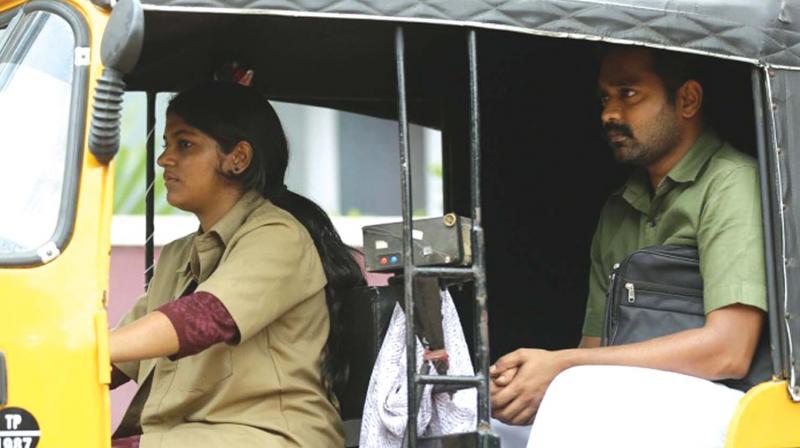
As the two teams engage in settling scores, the shy, ‘unmanly’, but crooked Girijavallabhan (Asif) joins the Pauly gang. In parallel runs the story of the strong-willed Bhageerathi (Aparna), an auto driver, who picks fights and fends for herself. After an interesting first half, the story drags its heels along no-brainer sequences and gets stuck at the point where logic breaks, loses grip and falls into the depths of predictability. 

Though there are plenty of loud dialogues, the makers have ensured dialogue rendition in near-to-perfection Thrissur slang by all the characters. The story, narration and style keep reminding one of Angamaly Diaries sans violence, Amen with plenty of toilet humour and many movies from the early 90s led by a combo cast. 

Though quirky, with funny dialogues scattered all over, writer P.S. Rafeeque couldn’t pull of his Amen magic as the script loses steam midway. However, Retheish proves that he has the skills and is someone to watch out for, if he works on it. The swap between the hero and heroine is fresh and commendable; it’s the heroine who gets an intro, fight scene and punch dialogues, whereas the hero appears coy, anxious and nervous. 

Bijibal’s compositions — the ‘Mangappoolu’ song and the ‘Kantha’ BGM — are impressive. Swaroop Philip’s camera turns to the less-celebrated parts of Thrissur – the markets, dark alleys and dingy rooms. 

Casting deserves a special mention, especially for the perfect choice of child actors. 

The real show stealers are Chemban, Asif and Aparna who essayed their roles with ease and charm. With his magnificent screen presence, Chemban has grown into a star from an actor. Asif adds one more feather to his cap; a bit more focus can take him to great heights. 

Aparna, in her best role till date, puts up an excellent show as the tough, stone-faced Bhagi. Underutilised talents — Irshad, Rony and Sreejith Ravi – were at their humourous best. Sunil Sukhada, T.G. Ravi and Abi too deserve kudos. 

With its humorous treatment, Thrissivaperur Kliptham will not be a disappointment if you walk in with no expectations, as promised by the trailer.

 Published in Deccan Chronicle on August 13, 2017


Sunday, August 6, 2017

Chunkzz movie review: Overdose of sexist jokes


Cast: Balu Varghese, Honey Rose, Ganapathy, Lal, Siddique, Visakh Nair, Dharmajan Bolgatty, Mareena Michael Kurishingal 

Director : Omar 

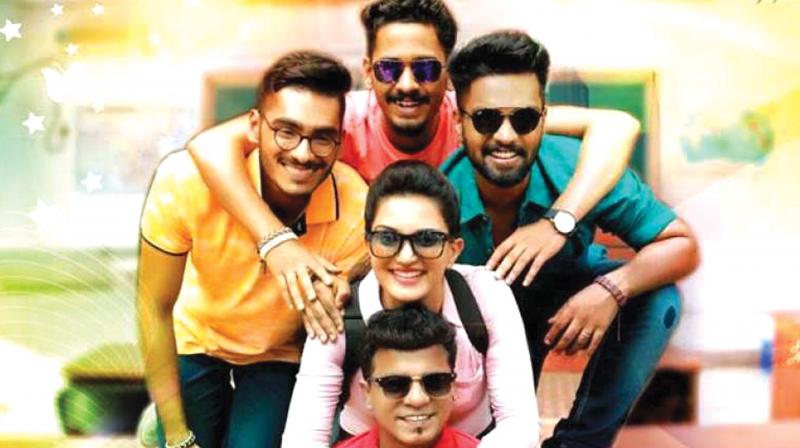
Chunkzz begins in a college where Romario (Balu), Judas (Visakh), Atmaram (Dharmajan) and Riyas (Ganapathy) — three former students of the mechanical engineering department — roam around the campus and canteen, teasing girls and teachers as well as envying the boys who have girls as classmates. In their “boring” college life enters Romario’s childhood friend Riya (Honey) who, her father (Siddique) fears, is a lesbian. What follows is a long sequence of dirty jokes, an illogical story, loud songs and far-fetched twists, making Chunkzz an annoying watch. Clearly, Omar hasn’t got over Happy Wedding. 

What begins as a campus story is neither a romantic entertainer nor a humorous movie. Every actor — from the lead ones to the family members of the hero and heroine — has more than enough vulgar dialogues that make one wonder how it got through the Censor Board. Chunkzz is the story of a bunch of youngsters who open their mouths to drink, smoke and utter sexist jokes. 

There are humorous moments, especially during the umpteen references to old movies and famous BGMs, thereby lifting a huge burden off Gopi Sundar’s shoulders. The songs can be left behind in the theatres, as you walk out with a throbbing headache. 

As the ‘Mech Rani’, Honey looks stylish and Balu repeats what he has been doing for long. The older chunks — actors Siddique and Lal — put up their best overreactions and push your tolerance limits. Dharmajan and Shammi Thilakan contribute to a few funny moments, whereas Visakh repeats his ‘Kuppi’ act from Aanandam. Ganapathy, like his character, puts up a poor show. The beautiful Mareena is wasted in a half-baked tomboyish role. 

Chunkzz may be a movie guys might enjoy with their friends. But girls, this might not be your cup of tea unless you have the guts to sit through embarrassing jokes. Forget taking your family; this is a strictly adult boys-only movie!

Published in Deccan Chronicle on August 6, 2017

Saturday, July 29, 2017

A Polish admirer in Mollywood

 Bartosz Czarnotta's reviews of Malayalam films have many takers online.


Poland, for all Malayalees, is a word that brings a wide grin to their faces, thanks to the famous question Polandil enthu sambhavichu? (What happened in Poland?) from the movie Sandesham. Likewise, for Bartosz Czarnotta, a Pole, Malayalam is a word that makes him happy. “Keralite by heart” is how this cinephile describes himself. A specialist in south Indian movies, especially Malayalam, Czarnotta writes film reviews on the Malayalam movies he watches and has quite a huge fan base on social media. From Prem Nazir to Nivin Pauly, MGR to Vijay Sethupathi, Czarnotta knows every actor and posts birthday messages for them on his Facebook wall. He is so much in love with Malayalam that despite being bound to a wheelchair due to cerebral palsy, he has flown to Kochi twice — in December 2015 and January this year — along with his mother. 

Talking about how it all began, Czarnotta says, “Five years ago, I faced some personal issues and it was MGR who came to my rescue! I immersed myself in Tamil cinema. Its complex links with politics and MGR’s larger-than-life persona helped me overcome the crisis.” Always on his desk is a photograph of his hero — MGR. His tryst with Malayalam happened through MGR, whose biographical movie Iruvar introduced him to Mohanlal. “Lalettan blew me away with his performance as Anandan. The first Malayalam movie I watched was Pranayam. Then came Namukku Parkkan Munthirithoppukal, Dasaratham and so on,” says the young Pole, who also got the opportunity to enjoy the actor’s hospitality in Kochi. “I was lucky to meet Lalettan twice. He is so simple, caring, gentle and easy to talk. He covered the cost of my stay at Travancore Court during my first visit,” he says.

But Czarnotta doesn’t want to be branded as a Mohanlal fan. “I love Mammookka too. I am not comfortable with being framed as just a Lalettan fan, especially in the context of well-known fan fights over the legends,” he adds. Though he met several actors, directors and technicians during his Kerala stay, his visits had another purpose too. “I am trying to promote Malayalam and to some extent, Tamil movies, in Poland. Till now, I have organised three university screenings of movies — Maheshinte Prathikaram at Jagiellonian University in Kraków, Tamil movie Uriyadi at Wroclaw University and Angamaly Diaries in Warsaw.”
The response was very positive, especially from students, but there is a long way to go. “I am collaborating with some distributors of Malayalam and Tamil movies in Europe and I am trying to facilitate their operations in Poland. Though there is a market for Malayalam movies, the beginning is full of challenges and struggles. Malayalam movies are not known much even among Polish diplomats who have contacts in Bollywood,” he rues. He is also happy that Polish movies are well-received in Kerala. “I am aware that three Polish movies were screened at the recent edition of IFFK. From time to time, I get requests from friends to recommend good Polish movies. So I can smell that, if marketed well enough, Polish movies would find a place in Kerala theatres quite easily,” he says hopefully.

Apart from reviewing movies in the English language, Czarnotta pens poems in Polish too. Two of his works have been published. But he hasn’t found many Polish translations of Malayalam literature. “A vast majority of Polish academic-driven indology is about north and west India. So there are very few translations, I suppose,” he says. However, he has read English versions of many works like Kamala Das’s My Story. Translation is a barrier for him when it comes to movies too. “Lack of proper subtitles is a serious issue. That’s why I miss many old movies. But it is improving,” Czarnotta feels. His favourite picks from the recent past are Drishyam, Maheshinte Prathikaram and Munnariyippu as well as Joker in Tamil. 

He is also aware of the famous phrase Polandine patti oraksharam mindaruth (Not a word about Poland), though he hasn’t been able to watch Sandesham fully for lack of subtitles. Poland, for Kerala, is the country that witnessed the fall of the 40-year-old Communist regime. “Interestingly, in Polish political mindset, Keralites’ attachment to Communism is widely considered as strange and even shocking. In contemporary Poland, there is very little space for Left-leaning politics,” he observes. 

Most of his film reviews lack harsh criticism. Is it part of his soft nature? “I am criticised for that, though avoiding harsh attitude is part of my character. But check my review of Pulimurugan or Kabali. I am not always soft. I am just being honest with my reviews,” he states, adding that he also watches Polish movies. Czarnotta’s Polish write-up about the poetic impressions in Mammootty-starrer Varsham resulted in many of his Polish friends watching the movie. He has a lot more to do. 

“I am trying to bring Sunday Holiday and possibly Richie to Poland. The main problem is that most distributors are reluctant to cover the costs of Polish subtitling, which is mandatory for regular screening of foreign movies in most theatres here. Subtitles will increase viewership,” he feels. 

Czarnotta regrets not being able to meet Mammootty while in Kerala. “I tried to meet Mammookka twice. In 2015, he was unwell and the last time, he was away when I was in Kerala and returned only on the day I left,” he says, adding he is glad that Dulquer Salman commented on his review of Charlie. 

Winding up the conversation, Czarnotta says he can feel how much people love the big M’s. He states, “The immense love Keralites have for Lalettan and Mammookka is something really special. This should be analysed and described in depth, also in a scientific context. I am touched when I experience again and again their profound significance in the collective identity of Kerala.”

Published in Deccan Chronicle on July 29, 2017

Saturday, July 15, 2017

Movie Review: Hadiyya: A yawn-inducing drama about nothing

The introduction of Sarah as a Mother Teresa-like nun with rouge-reddened cheeks and fake eyelashes evokes a hearty laugh.


Cast: Nishan, Ragini Nandwani, Leona Lishoy 

Music: Sharreth 

Director: Unni Pranavam 


Hadiyya, which comes with the tagline ‘A gift of love’ tries to convey that religion is founded on love and humanity. But, it loses the plot midway, leaving the audience baffled, unable to understand what Unni Pranavam intends to say. 

The movie revolves around an architect named Brahmanandan, played by a stone-faced Nishan; Sarah, the pretty Ragini Nandwani, a nun-turned-babe; and Leona Lishoy, who adds one more role to her series of duds. 

Right from the first dialogue, drama rules the scenes. The introduction of Sarah as a Mother Teresa-like nun with rouge-reddened cheeks and fake eyelashes evokes a hearty laugh. Despite their respective parents agreeing to their marriage, the couple is forced to convert to each other’s religion and so they choose Islam. In the haste to treat all religions with equal importance, the director turns the whole movie into a long-winded narrative. Khadija (Leona), whose story runs in parallel to that of the lead pair’s, suddenly gets pushed to the front and adds to the complexity. Leona puts up a fine performance and is a talent to watch out for, but she needs to be more careful with her choice of movies. 

In her umpteenth role as the aristocratic mother, Urmila Unni delivers a good show as Brahma’s mom. In the humour department, Lukman, Jayakumar and Kottayam Pradeep evoke a few belly laughs. Dharmajan Bolgatty starts to get on one’s nerves with his repetitive acts. If you choose to ignore his cameo in the opening song, Sharreth has done a good job as a composer. His comeback songs, though melodious, are not his best. The two who deserve a special mention are Saran and Devi. They had the tough job of lending their voice to the lead pair. 

Watch Hadiyya if you are impatient to wait for the episodes of daily soaps and want to experience mini-screen drama in one go!

 Published in Deccan Chronicle on July 16, 2017

Saturday, July 1, 2017

Movie review: 'Pretham Undu Sookshikkuka': Go find the horror


Cast: Shine Tom Chacko, Haressh Kanaran, Kalhara, Harish Perady, Thesni Khan, Priyanka 

Directors: Shafeer Khan and Mohammed Ali 

Rating: 1 star 


A perfect choice for the Mollywood version of the Golden Kela Award, Pretham Undu Sookshikkuka (Beware of Ghosts) is neither a horror movie nor a comedy. Directed by debutants Shafeer Khan and Mohammed Ali, the movie features Shine Tom Chacko, newbie Kalhara and a host of comedians. Though the film has almost all the ingredients that a horror comedy needs — a haunted mansion, phony black magicians, loud screams, goof-ups, endless chases, mystery, twists, and a ear-shattering background score — it is neither scary nor rib-tickling. 

The nearly two-and-a-half-hour-long movie, which is a terrible test of one's endurance, revolves around the members of two ‘quotation’ gangs — one headed by Ethics Babu (Shine) and another by Mattanchery Machu (Hareesh Kanaran). In the movie, the Mumbai-bred daughter of a millionaire falls for Babu, the ‘noble goon’. The haunted mansion rented out as a police station is also a part of this confusing plot that is replete with sexist humor and a series of kidnappings. 

It is a shame to see the talents of actors like Shine and Anjali Nair being wasted. Rizabawa and T.P. Madhavan, who made brief appearances, will be remembered for their shabby makeup. Abu Salim’s attempt at humour doesn’t fare well, nor does Shammy Thilakan’s feeble performance, with many references to the roles played by his thespian father. Santhosh Keezhattur and Harish Perady are the only ones that don’t make you cringe. 

The rest of the cast — Leena Maria Paul, Pashanam Shaji, Sunil Sukhada, Manoj Guiness, Thesni Khan, Priyanka, Mini Richard and Unni Sivapal — only adds to the misery. The romantic Hindi song and two fast numbers by Hesham Abdul Wahab fail to strike a chord. In fact the best part of the movie is, when the end credits start to roll.

 Published in Deccan Chronicle on July 2, 2017

Kabita Mukhopadhyay, Political All the Way

She was born in West Bengal and groomed at Santhiniketan during vibrant and turbulent times in Indian politics and culture, but Kabita Mukho...