Showing posts with label Women's Body. Show all posts

Friday, July 9, 2021

സാറാസ്: കുട്ടികൾ വേണ്ട എന്ന് ഒരു സ്ത്രീ തീരുമാനിച്ചാൽ സംഭവിക്കുന്നത്

 ‘സാറാസ്’ ഒരു ഗംഭീര സിനിമയൊന്നുമല്ല, പൊരുത്തക്കേടുകളും വിശ്വാസയോഗ്യമല്ലാത്ത സന്ദർഭങ്ങളും ഏറെയുണ്ട്. എന്നിരുന്നാലും reproductive rights എന്ന ഗൗരവകരമായ വിഷയം ചർച്ച ചെയ്യുന്ന സിനിമ എന്ന നിലയ്ക്ക് ഒരു നല്ല തുടക്കമാണ്. ചർച്ചകളും ചിന്തകളും തിരുത്തലുകളും ഉണ്ടാക്കാൻ ആകുമെങ്കിൽ, പോരായ്മ പരിഹരിച്ച് ഇത്തരം സിനിമകൾ തന്നെയാണ് ഇനിയും ഉണ്ടാകേണ്ടത്.


രു കറി പൗഡർ കമ്പനിയുടെ പേര് എന്തിനായിരിക്കും തന്റെ മൂന്നാമത്തെ ചിത്രത്തിന് ജൂഡ് ആന്തണി ജോസഫ് തിരഞ്ഞെടുത്തത് എന്നാണ് 'സാറാസ്' എന്നുകേട്ടപ്പോൾ ആദ്യം തോന്നിയത്. ഫസ്റ്റ്‌ലുക്ക് പോസ്റ്ററിൽ ഒരു മത്തങ്ങ കൈയ്യിലേന്തി നിൽക്കുന്ന അന്ന ബെന്നിനെ കണ്ടപ്പോൾ ഓർത്തതും What's cooking എന്നാണ്. പക്ഷെ സാറയുടേത് എന്നർത്ഥം വരുന്ന സാറാസ് സംസാരിച്ചത് മുഴുവൻ ഒരു സ്ത്രീയെക്കുറിച്ചാണ് - അവളുടെ അവകാശങ്ങൾ, സ്വപ്നങ്ങൾ, സന്തോഷം, അവളവളെക്കുറിച്ചുള്ള (പ്രയോഗത്തിന് കടപ്പാട് മറ്റൊരു സാറയോട്, സാറ ടീച്ചറോട്) തീരുമാനങ്ങൾ എന്നിവയെക്കുറിച്ചാണ്. ഒരു പ്രോ-ചോയ്‌സ് സിനിമയാണ് സാറാസ്; ഗർഭധാരണത്തിൽ ഒരു സ്ത്രീയുടെ ചോയ്‌സ് എന്ന വിഷയമാണ് സിനിമയെ വേറിട്ടതാക്കുന്നത്.

പ്രത്യുത്പാദനവുമായി ബന്ധപ്പെട്ട തീരുമാനങ്ങളിൽ മലയാള സിനിമ സ്ത്രീകളെ പാട്രണൈസ് ചെയ്തു കണ്ട ശീലമില്ല നമുക്ക്. ഗർഭച്ഛിദ്രത്തെ കൊലപാതകമായും അമ്മ/അച്ഛൻ ആകാതിരിക്കൽ ക്രൈമും ആയാണ് സ്‌ക്രീനിലും പുറത്തും കണ്ടുപോരുന്നത്. എന്തിന്, പാരൻറിങ്​ എന്നതിന് തത്തുല്യമായ ഒരു വാക്ക് പോലുമില്ല ഭാഷയിൽ.

1985ലെ 'അവിടത്തെപ്പോലെ ഇവിടെയും' എന്ന സേതുമാധവൻ ചിത്രത്തിൽ പ്രസവിക്കേണ്ട എന്ന തീരുമാനത്തെത്തുടർന്ന്  ഗർഭനിരോധനഗുളിക ഉപയോഗിക്കുന്ന നീലിമ പ്രതിനായികയാണ്. 2009ലെ  അക്കു അക്ബറിൻറെ 'കാണാക്കണ്മണി' എന്ന ചിത്രത്തിൽ ഭ്രൂണം പ്രേതമായി വന്ന് തന്നെ നശിപ്പിച്ച മാതാപിതാക്കളെ വേട്ടയാടുകയാണ്. എന്നാൽ 2018ലെ അന്താരാഷ്‌ട്ര ചലച്ചിത്രമേളയിൽ പ്രദർശിപ്പിച്ച നദീൻ ലബാക്കിയുടെ ലെബനീസ് ചിത്രം 'കാപ്പർനോ'മിൽ തൻ്റെ മാതാപിതാക്കൾക്ക് ഇനിയും കുഞ്ഞുങ്ങൾ ഉണ്ടാകരുത് എന്ന് കോടതിയിൽ ആവശ്യപ്പെടുന്ന പന്ത്രണ്ടുകാരനായ സെയിനിനെ വലിയ കരഘോഷം കൊണ്ടാണ് മലയാളി സിനിമാ ആസ്വാദകർ എതിരേറ്റത്. കഴിഞ്ഞ ദിവസം ആമസോൺ പ്രൈമിൽ റിലീസ് ചെയ്ത സാറാസിലെത്തുമ്പോൾ ശരി-തെറ്റ് ചർച്ചകൾ തീരുന്നില്ല. തനിക്ക് കുട്ടികൾ വേണ്ട എന്ന തീരുമാനം ചെറുപ്പം മുതൽ തന്നെ കൈക്കൊണ്ടിട്ടുള്ള നായികയെ സെയിനിനെ ആശ്ലേഷിച്ചയത്ര സ്നേഹത്തോടെയല്ല കേരളം എതിരേറ്റത് എന്ന് കാണാം. കാരണം, സാറാസ് പ്രധാനമായി ചർച്ച ചെയ്യുന്നത് മലയാള സിനിമയുടെ ഇന്നേ വരെയുള്ള ചരിത്രത്തിൽ സ്റ്റിഗ്മറ്റയിസ് ചെയ്ത് അവതരിപ്പിക്കപ്പെട്ടിട്ടുള്ള രണ്ടു പ്രധാന വിഷയങ്ങളാണ് -- പ്രത്യുത്പാദനസ്വയംനിർണയാവകാശവും റെസ്പോൺസിബിൾ പാരന്റിംഗും. രണ്ടും കണ്ടും ശ്രമിച്ചും പരിചയമില്ലാത്ത മലയാളി ഞെട്ടൽ സ്വാഭാവികം!

മാതൃത്വത്തെ കാല്പനികവത്കരിച്ചും പ്രകീർത്തിച്ചും ശീലിച്ച, 'എല്ലാവർക്കും ഉണ്ടല്ലോ, അതുകൊണ്ട് ഞങ്ങൾക്കും' എന്ന കാരണം കൊണ്ട് മാത്രം procreate ചെയ്യുകയും ചെയ്യുന്ന ആളുകൾക്കിടയിലേക്കാണ് തിരക്കഥാകൃത്തായ അക്ഷയ് ഹരീഷ് സാറയുടെ കഥ പ്ളേസ് ചെയ്യുന്നത്. തൻ്റെ ആദ്യ സംവിധാന സംരംഭത്തിന്റെ ഒരുക്കവുമായി ബന്ധപ്പെട്ട ഗവേഷണവും ലൊക്കേഷൻ-നിർമാതാവ് അന്വേഷണവുമായി നടക്കുന്ന ഇരുപത്തിയഞ്ചുകാരിയായ സാറയുടെ ആദർശങ്ങളും വീക്ഷണങ്ങളും ചുറ്റുമുള്ളവരുമാണ് സിനിമയിൽ. തൻ്റെ ത്രില്ലർ മോഡിലുളള ചിത്രത്തിനായുള്ള ഗവേഷണത്തിനിടയിൽ കണ്ടുമുട്ടുന്ന ജീവൻ (സണ്ണി വെയിൻ) തന്നെപ്പോലെ കുട്ടികൾ വേണ്ടെന്ന തീരുമാനത്തിലാണ് എന്നറിഞ്ഞ ശേഷം അവർ പ്രണയത്തിലാകുന്നു. തൻ്റെ ആദ്യസിനിമാസ്വപ്നം പൂർത്തീകരിക്കും മുമ്പ് വിവാഹജീവിതത്തിലേക്ക് പ്രവേശിക്കുന്ന ഇരുവരും ആദ്യ ആഴ്ച തന്നെ നേരിടുന്നത് വലിയ സമ്മർദ്ദമാണ്. മതം, നാട്ടുനടപ്പ്, സന്തോഷം എന്നീ conditioned പൊതികൾ കൊണ്ടുമൂടി അവളുടെ cool dad (ബെന്നി പി നായരമ്പലം) ഉൾപ്പടെയുള്ള ബന്ധുക്കൾ സാറയെ പ്രസവത്തിന്റെ ആവശ്യകതെയെപ്പറ്റി  'ബോധവത്കരിക്കാൻ' ശ്രമിക്കുന്നുണ്ട്. അവളോടൊപ്പം നിൽക്കുന്ന ജീവൻ പിന്നീട് ഈ തീരുമാനത്തെച്ചൊല്ലി സഹപ്രവർത്തകർക്ക് മുന്നിലും അമ്മയുടെ (മല്ലികാ സുകുമാരൻ) മുമ്പിലും തൻ്റെ 'പൗരുഷം' ചോദ്യം ചെയ്യപ്പെടുമ്പോൾ പതറുന്നുണ്ട്. ഓർക്കാപ്പുറത്തുണ്ടാകുന്ന ഗർഭം സാറയെ തൻ്റെ തീരുമാനത്തിൽ ഉറച്ചു നിൽക്കാനും  ജീവനെ പുനർവിചിന്തനം നടത്താനും പ്രേരിപ്പിക്കുന്നു. 

'അടുത്ത അഞ്ജലി മേനോൻ' എന്ന് വിശേഷിപ്പിക്കപ്പെടുന്ന സാറ അവളുടെ ശരീരത്തിന്റെ അവകാശികളും സംരക്ഷകരും അവളൊഴികെ മറ്റെല്ലാവരും ആണെന്ന് തിരിച്ചറിയുന്നു. ഒപ്പം, ഒരു accidental pregnancy അഥവാ contraceptive failure ദൈവഹിതമായും കുടുംബത്തിന്റെ സന്തോഷമായും കാണുന്നവർക്കിടയിൽ സാറ തന്റെ സന്തോഷം ആരുടേയും താല്പര്യമല്ല എന്നും. യഥാർത്ഥ പരിസരങ്ങളിൽ അപൂർവങ്ങളിൽ അപൂർവമായ ഒരു ഗൈനക്കോളജിസ്റ്റ്  (സിദ്ദിഖ്) സിനിമയിലുണ്ട്. തന്റെ ശരീരം തന്റെ മാത്രം അവകാശമാണ് എന്ന് സാറയോട് വ്യക്തമാക്കുന്ന , ഉത്തരവാദിത്വപ്പെട്ട ചുമതലയായ parenting വളരെ ആലോചനയും ചർച്ചകളും ഒരുക്കങ്ങളും വേണ്ടുന്ന ഒന്നാണ് എന്നും, അതിനുള്ള മനസ്സോ ടാലന്റോ ഇല്ലെന്ന് ബോധ്യമുള്ളവർ സമ്മർദ്ദത്തിന് വഴങ്ങി മോശം രക്ഷാകർത്താക്കളായി മാറരുത് എന്നും ഡോക്ടർ പറയുന്നുണ്ട്. 

വിവാഹം, പ്രസവം, ജോലി, കുഞ്ഞുങ്ങളെ പരിപാലിക്കൽ, പ്രസവം നിർത്തൽ എന്നിവയിലെല്ലാം സമൂഹം നിഷ്കർഷിക്കുന്ന അലിഖിത നിയമങ്ങൾ കാലങ്ങളായി പാലിച്ചു പോരാൻ നിര്ബന്ധിക്കപ്പെടുന്ന സ്ത്രീകൾക്ക് തങ്ങളുടെ ബോധ്യങ്ങളെ നിലനിർത്താൻ ഉള്ള തടസ്സങ്ങൾ ധാരാളമാണ്. ഒരു സ്ത്രീ കുട്ടികൾ വേണ്ട എന്ന നിലപാട് സ്വീകരിക്കുമ്പോൾ അതവളുടെ സ്വാർത്ഥതയായും 'മറ്റേ ഫെമിനിസ'മായും വ്യാഖ്യാനിക്കുന്ന സമൂഹം അവളെ ഒരു social trapലാക്കുകയാണ്. അതിൽ വീഴാതിരിക്കാനുള്ള സാറയുടെ ശ്രമങ്ങളാണ് സിനിമയിൽ. Shared responsibilityകളിലൂടെ ജീവിതത്തിൽ തുല്യത പുലർത്തുന്നു എന്ന് കരുതുന്ന ജീവന് മുമ്പിൽ പ്രത്യുൽപാദന അവകാശം ഇല്ലാത്തയിടത്ത് തുല്യതയില്ല എന്നും തൻ്റെ സന്തോഷവും പ്രധാനമാണ് എന്ന് സാറ അടിവരയിടുന്നു. താൻ ജീവിച്ചു തീരുമ്പോൾ തൻ്റെ കാലം അടയാളപ്പെടുത്തേണ്ടത് തന്റെ കലയിലൂടെയാണ് എന്നും കുഞ്ഞുങ്ങളിലൂടെയല്ല എന്നും സാറയ്ക്ക് വ്യക്തതയുണ്ട്. 

ജൂഡിന്റെയും അക്ഷയുടെയും ഈ ചിത്രത്തിൽ മറ്റു മേഖലകളിൽ പ്രശസ്തരായ ചിലരെ നടീനടന്മാരായി കാണാം -- പ്രശാന്ത് നായർ IAS, അവതാരക ധന്യാ വർമ്മ, ഒതളങ്ങാത്തുരുത്തിലൂടെ പ്രശസ്തനായ അബിൻ ബിനോ, തുടങ്ങിയവർ. ഓരോ സിനിമ കൊണ്ടും അതിശയിപ്പിക്കുന്ന അന്നയുടെയും മല്ലികയുടെയും സിദ്ധിഖിൻറെയും മികച്ച പ്രകടനങ്ങൾക്കിടയിൽ അല്പമെങ്കിലും പിടിച്ചു നിൽക്കുന്നത് സണ്ണി വെയിനാണ്. നിമിഷ് രവിയുടെ ദൃശ്യങ്ങൾ, ഷാൻ റഹ്മാൻറെ ഈണങ്ങൾ എന്നിവ കഥ പറച്ചിലിനെ സഹായിക്കുന്നുണ്ട്.  

പ്രത്യുത്പാദനസ്വയംനിർണയാവകാശത്തിനു പുറമെ സിനിമയിൽ പറഞ്ഞു പോകുന്ന വിഷയങ്ങളിൽ തൊഴിലിടത്തിലെ ലിംഗവിവേചനം, കുടുംബത്തിലെ സ്ത്രീകൾക്ക് പുരുഷന്മാർ 'അനുവദിച്ചു കൊടുക്കുന്ന സ്വാതന്ത്ര്യം' എന്നിവ പ്രത്യക്ഷമായി കാണാമെങ്കിലും പല രംഗങ്ങളും mansplainingലും വൈരുധ്യങ്ങളിലും ഉടക്കി നിൽക്കും. 'ഞാനില്ലെങ്കിൽ കാണാമായിരുന്നു' എന്ന് പറഞ്ഞും പറയാതെയും സാറയുടെ സ്വപ്നങ്ങളുടെ പങ്കു പറ്റുന്ന ആണുങ്ങൾ, വിവാഹം കഴിക്കാൻ മകൾക്ക് ആറു മാസത്തെ deadline കൊടുക്കുന്ന അച്ഛൻ...  

പല തരം ദമ്പതികളെ സിനിമയിൽ കാണാം -- എല്ലാവർക്കും അവരവരുടെ ശരികളും തീരുമാനങ്ങളും ജീവിതവുമുണ്ടെന്ന് കാണാം. കുഞ്ഞുങ്ങളെ വളർത്താൻ തന്റെ വിലപ്പെട്ട വർഷങ്ങൾ ത്യജിക്കേണ്ടതില്ല എന്ന് കരുതുന്നവരും, 'കഴിവ്' തെളിയിക്കുന്നവരും, കർത്താവ് തരുന്നത് കൈനീട്ടി വാങ്ങുന്ന ഭർത്താവും, കുട്ടികളുടെ പരിചരണത്തിൽ ആനന്ദം കണ്ടെത്തുന്നവരും, ജോലിയും വീടും ഒരുമിച്ച് കൊണ്ടുപോകാൻ പാടുപെടുന്നവരും, ജോലിയ്ക്കു പകരം കുടുംബം മതിയെന്ന ചോയ്‌സ് മാത്രം ആയിപ്പോയവരുമെല്ലാം ഉണ്ട് സാറാസിൽ. സിനിമയുടെ പക്ഷം പക്ഷെ സാറയുടേതാണ്.      

അത്യന്തം സെൻസിറ്റിവ് ആയ ഒരു വിഷയം നാടകീയതയും വൈകാരികതയും ഇല്ലാതെ പറയാൻ ശ്രമിക്കുന്നുണ്ടെങ്കിലും ഒന്നാം പകുതിയിലെ ഒതുക്കം പതുക്കെ നഷ്ടപ്പെടുന്നതായും തോന്നി. മെട്രോ നഗരത്തിൽ സുഖലോലുപതയിൽ ജീവിക്കുന്ന സാറയുടെ കഥ ഒരു privileged classൻറെ പരിച്ഛേദം ആയിട്ടാണ് കാണാനാവുക. Tail end പാക്കേജിലെ കഥാപാത്രങ്ങളെ തമാശരൂപേണ അവതരിപ്പിച്ചതും വിഷയത്തിന്റെ ഗൗരവത്തിൽ വിള്ളൽ ഉണ്ടാക്കിയതായി തോന്നി. ഒറ്റവിഷയത്തിൽ ഊന്നിയുള്ള കഥപറച്ചിലിൽ വലിച്ചുനീട്ടൽ അനുഭവപ്പെട്ടു. പലയിടങ്ങളിലും നറേറ്റിവ് അത്ര convincing ആയിരുന്നില്ല. എത്ര സൗകര്യപൂർവമാണ് സാറയുടെ തീരുമാനങ്ങളെ ഒടുക്കം എല്ലാവരും ശരി വയ്ക്കുന്നത്. യഥാർത്ഥജീവിതത്തിൽ അത്രയും തിരിച്ചറിവുകളുള്ള നന്മ നിറഞ്ഞ മനുഷ്യരുണ്ടായിരുന്നെങ്കിൽ എത്ര നന്നായേനെ! 

സാറാസ് ഒരു ഗംഭീര സിനിമയൊന്നുമല്ല, പൊരുത്തക്കേടുകളും വിശ്വാസയോഗ്യമല്ലാത്ത സന്ദർഭങ്ങളും ഏറെയുണ്ട്. എന്നിരുന്നാലും reproductive rights എന്ന ഗൗരവകരമായ വിഷയം ചർച്ച ചെയ്യുന്ന സിനിമ എന്ന നിലയ്ക്ക് സാറാസ് ഒരു നല്ല തുടക്കമാണ്. ചർച്ചകളും ചിന്തകളും തിരുത്തലുകളും ഉണ്ടാക്കാൻ ആകുമെങ്കിൽ, പോരായ്മകളെ പരിഹരിച്ച് ഇത്തരം സിനിമകൾ തന്നെയാണ് ഇനിയും ഉണ്ടാകേണ്ടത്.    


Published in Truecopy Think on July 8, 2021

Wednesday, January 17, 2018

I am a queen on this throne: Virali Modi

Disability activist Virali Modi was in Kochi recently as part of her #mytraintoo campaign. 


Virali Modi’s is an inspiring, miraculous tale. The beginning is tragic, but then comes the silver lining followed by rays of hope and determination, making a radiant woman out of a little girl had been comatose. A disability activist, motivational speaker, model, adventure junkie and a beauty pageant runner-up, the 26-year-old wheelchair-bound woman was featured among BBC 100 Women 2017. She had come to Kochi all the way from Mumbai recently as part of her #mytraintoo campaign, under which she collects petitions seeking disabled-friendly rail facilities. 

Recalling how the spark for the campaign got ignited, she says, “I was molested three times while trying to board a train in Mumbai. Since our railway stations lacked ramps or lifts or platforms making trains accessible for everyone, I had to be lifted from my wheelchair to the train by luggage porters. All the three times, I was groped, touched and manhandled, like a piece of luggage.” 

The incident made her start the campaign, which she took to former Railway Minister Suresh Prabhu. She is glad that the results are showing. Excited about the permanent and portable ramps for disabled passengers, small wheelchairs to get inside the train, electronic buggy to transport them, disabled-friendly lounges and wheelchair-friendly washrooms at Ernakulam Junction Station, she expressed joy over finding that six stations in Kerala are disabled-friendly. “I am glad that so much progress is happening here. My fight is for accessibility. Even Mumbai is yet to receive complete accessibility at railway stations. I have been actively meeting politicians for that,” says Virali, whose life overturned ten years ago when she contracted malaria. 

Admitted to hospital in a critical condition, Virali suffered a respiratory and cardiac arrest that left her comatose. When the doctors gave up hope and were about the remove her life support system, she suddenly opened her eyes, bouncing back to life. But it wasn’t all happy. She was paralysed down her waist and couldn’t walk again. Her parents— Pallavi and Jithesh — have been very supportive, but society always reminded of her inability. Depressed, she attempted suicide three times. But slowly, she grew out of it, to follow all her dreams — of becoming an actor, of serving people. Everywhere, she was judged for her disability.

A strong woman, Virali could no longer be beaten by bitterness. She fought, became a top writer on Quora, took part in the Miss Wheelchair India beauty pageant and became the runner-up and got over nervousness. Now a motivational speaker and model, she nurses acting dreams. “Having attended theatre workshops and acting classes, I would like to become an actress, not just because of my passion, but to inspire others that you can make it there whatever comes your way,” says Virali, who works for a portal that offers holiday initiatives for the disabled. 


An adventure buff, she did scuba diving four times last year and has travelled all over three continents. According to her, disability doesn’t make a difference to anyone’s life because anything is possible if you have a vision and will power. She also has a message for the disabled. “Never give up; never settle for what life offers. You have every right a normal able-bodied person has. Never take ‘no’ for an answer and never step down. Fight for what you think is right and fight for your rights. Keep smiling because life is beautiful.” 

Aiming at taking the #mytraintoo campaign across India and advocating accessibility for all, Virali wants all disabled people to get out of their homes and enjoy the world. She also strongly objects to labels like specially-abled and differently-abled. “Those terms directly or indirectly mean abnormal. Disabled are rapists, murderers or psychopaths. If in not that sense, disabled is a term applicable to all as everyone is less able that another person. For me, this wheelchair is my throne and I am a queen!”

 Published in The Asian Age on January 17, 2018

Friday, January 12, 2018

Dark is divine!

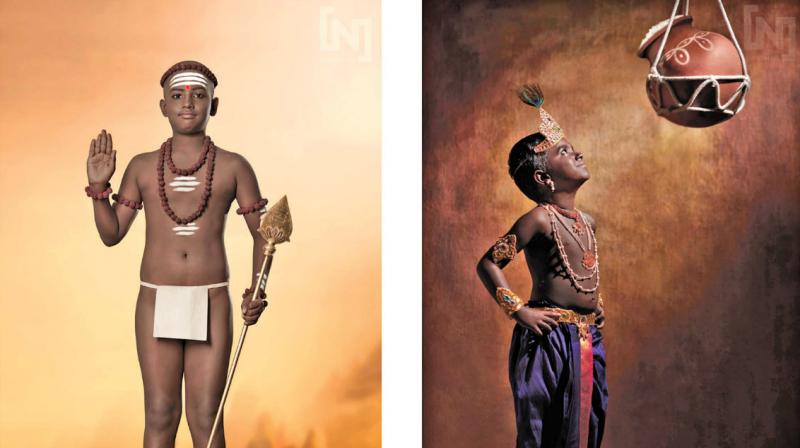
All these years, the popular imagery of Hindu deities has been of fair-skinned model-like figures with chiselled torso sporting a halo.


All these years, the popular imagery of Hindu deities has been of fair-skinned model-like figures with chiselled torso sporting a halo — like the images seen on Sivakasi calendars. When Chennai-based ad film makers Naresh Nil and Bharadwaj Sundar decided to do a different photo series for their personal satisfaction, after myriad ideas and brainstorming sessions, they zeroed in on the subject ‘Dark is Divine’. 

Featuring everyday men, women and children, the photo series showed gods and goddesses as dark-skinned figures. No sooner than they uploaded the photos on Facebook, it broke the Internet; with close to 5,000 shares and over 3,500 likes. 

If you call it a revolutionary act, the duo would correct you, “The photos and idols of gods we have been seeing are in no way close to reality. Of course, no one has seen God, but the images need to be true according to the epics. Ours was an attempt to do it right along with pointing to people’s obsession with fairness.” 

Naresh and Bharadwaj have been friends since college days and their startup firm has been working on ad films, fashion photo shoots and musicals since 2012. At times, in between work pressure time for clients, they do a few works "from their heart". The ‘Dark is Divine’ series is one of those. 

“Earlier, we have done two videos —60 jobs, 60 seconds for May Day and an A cappella version of Jana Gana Mana for Independence Day. This idea came up a couple of months ago and after doing a bit of research, we started working on it,” recalls Naresh, who handled the photography part. Bharadwaj reveals that they had planned it as a 12-photo series and, due to time and budget constraints, narrowed it down to six. “The seventh one - of Sita and Lava-Kusha — was not planned earlier. Our makeup artist Sridevi Ramesh, who is also a plus-size model, was inspired by the work and expressed interest that she be part of it. And so she became Sita,” he says. 

The photos have it all —the grace, aura and divinity; even the postures are maintained in the traditional way. They haven’t attempted to change even the poses. Bharadwaj explains why, “We were already bringing a change and didn’t want to make it more abstract.” 

Both of them agree that before looking into movies for blaming popular culture for inculcating a liking for fairness, one should introspect. “Everything starts from home. Every mother wants their son to marry a fair girl, a ‘Lakshmi’. That’s what needs to change,” Naresh says. 

Bharadwaj adds, “There’s so much negativity associated with dark skin. Lord Ram and Lord Krishna, who are dark-skinned according to Puranas, are portrayed as fair or blue. Even Ganesha is all white-skinned in paintings, movies and idols. Have we ever seen a white elephant?” 

As part of breaking stereotypes, the two preferred normal people over models. Even the children featured belonged to family and acquaintances. While a lot of people have appreciated the work, not all are happy about it. “It’s natural. God is a sentimental subject. When we try to break what people have been seeing for long, they will naturally be upset. But this is our one small step towards making a change,” Bharadwaj says. 

This photo series, they hope, will bring acceptance to all those dark-skinned women who are expected to be like Lakshmi.

 Published in Deccan Chronicle on January 12, 2018

Tuesday, December 19, 2017

Live, Let Live


A couple of days ago, a metamorphosed Mohanlal, moustache-less, silky smooth-skinned, sporting blue tees, dark shades and fitted jeans was hailed by all, from the who’s who of filmdom to diehard fans; they all went gaga about the actor’s new avatar. The photos of the actor in his late 50s broke the internet with people literally drooling over his charisma. In a terrible irony, it is the same social media buffs who couldn’t stand the sight of Rajeshwari, the mother of Jisha, the girl who was brutally murdered in Perumbavoor more than a year ago. 

Rajeshwari, who, a year ago, appeared devastated, wailing, in her grey hair and unkempt clothes, looked healthier and stronger in better clothes and coloured hair, much to the ire of many netizens who found it hard to accept the makeover of a woman who refused to appear ‘shattered’ after having lost her daughter and estranged husband. Social media is abuzz with ‘diktats for a widow’ and accusations of Rajeshwari using the ‘blood money’ of her daughter to buy expensive sarees and tip hotel waiters. Why is society obsessed with judging an ageing woman on her appearance, without realising that she needs to move on? “That’s because our society can’t accept a survivor, especially if she belongs to a lower social class,” says writer S. Saradakutty. 

“If a woman who is supposed to be grieving goes to watch a movie, learns to drive or attends weddings, misogynists — that includes both men and women — rush to criticise her. They would never want to know how these women lived before the death of their dear ones. Whether she was happy or safe till then is never their concern. All that matters to these do-gooders is that she doesn’t deserve to appear happy. It is unfortunate and it will take centuries for them to get justice,” she feels. 

In Rajeshwari’s case, Saradakutty thinks whatever she does has a justification. “Once, a woman who lost her husband told me with tear-filled eyes that widow pension was the first earning she got in her life. It is not Jisha’s mother who caused her death, but a criminal living among us. Whatever she does, tipping waiters heavily or buying the sarees she likes, will have justification because it was she who had been living a marginalised life, not those who point fingers at her.” 

Actor Sreedevi Unni, mother of late actor Monisha, feels that what Rajeshwari did was right. “Her sorrow would never leave her and nobody can ease it. The verdict (gallows to the killer) might have given her a sense of relief; however, the pain of losing a daughter will stay with her till her last breath. Why should she wear a dress that projects her grief? Will doing so ease her grief,” asks Sreedevi. 

“If she is someone who committed a crime and walked around dressing up nonchalantly, that is a different case. Here, this girl’s mother is innocent. She has actually disguised her pain by coming out well in public and she should do that always. She should set an example. None should criticise her,” she adds. 

“This ostracism is something I have faced after my husband passed away eight years ago,” reveals Chandini Santosh, another writer, who stresses on how Malayalis are bothered about a woman’s appearance, when she crosses 30 or, 50, when she has grandkids or when her husband dies. 

“At the wedding of my neighbour’s daughter, the bride’s mother was worried if I — a childless woman who has lost her husband — would bless the couple and bring them bad luck. I understood that and stayed away. It was ridiculous and I felt like laughing. But sometimes, it hurts,” she says. 

“Rajeshwari has suffered a lot in life. She is the one who lost her daughter, not us. Despite poverty, she encouraged Jisha to study law. People would definitely have opposed her decision back then. She, like in those days, need not bother about people even now and should carry on. Now she has a better life, house and money, let her live well,” says Chandini. 

As Sreedevi puts it, society should help her move on instead of tarnishing her spirit to fight. “We shouldn’t push her to sorrow again. The negative response is the opinion of a minority — the narrow-minded. We can’t change them. They should change themselves. But, at least let her be like that. Let her live in peace.” 

(With inputs from Elizabeth Thomas)

Published in Deccan Chronicle on December 20, 2017

Friday, December 15, 2017

The brave storyteller


At the lobby of a hotel in Thiruvananthapuram, Rayhana was chatting with the girl holding her hands, laughing and hugging, inviting her to France, as if she had known her for ages. Once she settles down for a quick chat, she holds your hand and magically, you feel at home. That warm easiness with which she bonds with women reflects throughout her movie At My Age, I Still Hide to Smoke, which was screened to packed houses during all the three screenings at the IFFK. 

“We are all women. Speaking woman-to-woman is easy,” she says in bits of English. Wherever she screened the film, she has been greeted — with hugs and tears at many places and with death threats and abuses in many other places. But no threat or abuse will stand in her way of telling stories. 

In Algeria, her homeland, and later, in France, where she took asylum as a 35-year-old, she has faced threats from Islamists. Once, in Paris, she was doused in petrol by extremists and it was a narrow escape from an immolation bid. That was when her play was staged. “It was the same At My Age, I Still Hide to Smoke. I staged it for seven years. The play was in French; the actors — the nine women — kept on changing after they faced attacks and threats,” she recalls. 

Rayhana’s growth has been full of fights. She started off as a waitress, then became a theatre actor and after that, an author, a playwright and finally, a screenwriter and a filmmaker. It wasn’t an easy journey, but she’d make it sound cool. “After I married Ben, I had time to write and make a play and a film, because he fed me well,” she laughs. Her colleagues — Azzedin Medjoubi from theatre and Ali Tenkhi from films, were killed, the former in front of her. Her brother was assassinated in France by Islamists, apparently for homosexuality.


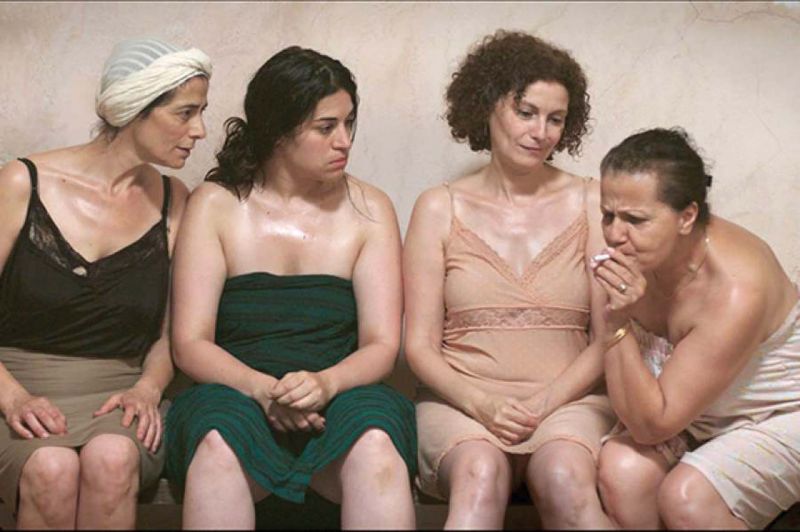
The film, her directorial debut at the age of 55, made in Arabic, set in a hammam (Turkish bath), has a group of women celebrating freedom — to speak, to walk naked, to express their dreams and political, personal and feminist views — protecting a pregnant teen from religious fundamentalists and misogynistic men. As the women take bath, get body massages and smoke together, there are confrontations, ‘blasphemous’ criticisms against religion, fun moments, talks about dreams, oppression, sex, rape, politics and references to the past of each one of them. 

“The film is about the world of women everywhere. Everywhere I screened the film, women told me this is their story, their life. That’s what I too wanted to tell the world. Men just announce ‘talaq, talaq, talaq’; it’s easy. After I made movies, I am being called a bitch, whore...,” Rayhana adds. 

The movie was banned in Algeria and all Arabic Muslim countries. The exteriors were shot in Algeria, but the hammam was set in Greece. “No Algerian actress was cast, because all of them rejected. All the actors were from Greece. The lead, played by Hiam Abbas, is a Palestinian. Apart from her, Biyouna (star in Tunisia and Algeria) and Nadia Kaci, all the other women are debutants. The actors, who appear as the extremists in the climax, are all Greek actors.” 

Only in Tunisia was her movie welcomed. “The situation is different there after the Jasmine Revolution. The rise of feminists has brought about gender equality in Tunisia and my film was praised a lot when screened there,” she says. 

In Kerala, people loved At My Age, I Still Hide to Smoke, but Reyhana says one-third of the film was ‘lost’ in translation. “The English subtitles were badly done; there’s a lot more you haven’t heard. I would like to screen it with proper subtitles in English and if possible, in other Indian languages,” she says. 

Rayhana says she has no qualms even if she doesn’t get an award at IFFK. “I have the audience award; the responses were so great. I make movies for the audience and this is the biggest award.” However, the film later went on to win the audience poll award at the IFFK that concluded on Friday.

 Published in Deccan Chronicle on December 16, 2017 

Friday, July 21, 2017

Taking the taboo out of period

As a couple of Indian companies implements the First Day of Period Leave' policy, we garner differing opinions on the issue.


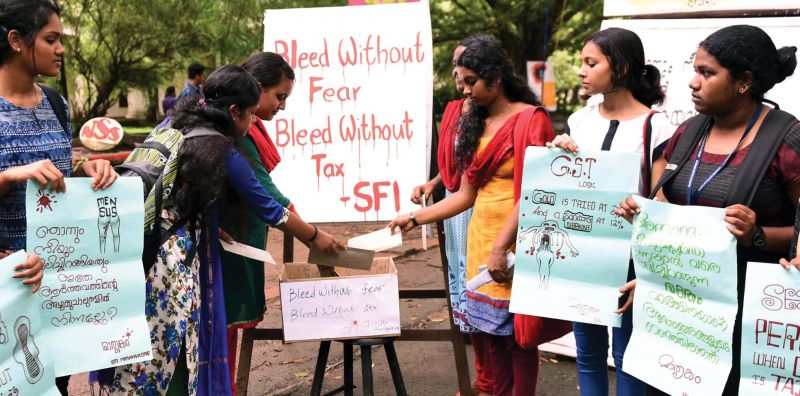
Almost everyone would have faced those ‘embarrassing’ classroom moments wherein either they or one of their classmates had to walk out with a huge red blot on their skirt, followed by murmurs and hushed talks. For long, menstruation and sanitary napkins were mentioned in animated expressions, code words and sign language. Not anymore. After Mumbai-based Culture Machine and two media firms in Kerala announced period leave for their employees and girls took to the streets with sanitary pads and placards that read ‘Do not tax my period’, menstruation has been promoted from a taboo term to something that need not be ‘whisper’ed. There are varying opinions on the turn of events. “In Kerala, the first loud voice on period was heard in 2015 during the ‘Happy to Bleed’ hashtag campaign against a sexist comment made by the chief of Sabarimala temple. 

 “Though women are announcing on virtual platforms that they are not ashamed of menstruating, in real life, many can't still bring themselves to talk about it," observes Arjun Unnikrishnan, a third-year law student, who is part of the Red Cycle campaign for menstrual awareness among schoolchildren. He also says the protest against 12 per cent GST on sanitary napkins was farcical. “The protesters writing slogans on napkins that could not be used, while calling it a necessity, seemed hypocritical to me,” he says. However, he feels the period leave announcement, though a positive step, doesn't call for much celebration. “Positive steps might be coming in, but the barriers are still there. People claim to be progressive, but when real issues crop up they turn the tables and show their true colours, like what happened after Kerala announced the first transgender policy in India. The 'friendly' tag was nowhere to be seen when transgenders faced a real issue. That might happen in this case too.

“In my opinion, focus should be on menstrual awareness among boys and girls in schools, hygienic practices like napkin disposal, the health of sanitation workers who handle menstrual waste, and open discussions in the family level. Anyway, I welcome the move and hope other organisations will follow suit. But still, we have a long way to go,” he says. Divya Geeth, coordinator, Kerala Social Security Mission, too thinks that no amount of speaking out can be effective without a change in public mentality. “Every child, irrespective of gender, should be taught about menstruation from class 5. Give them the example of their own mother whose painful physical processes and reproductive mechanism resulted in their birth. I am sure boys will grow up respecting women,” she feels.

Divya moots the idea of providing proper facilities for women. “In olden days, women had the advantage of taking rest even though they were ostracised in the name of impurity during the menstrual cycle. But now, even if a period leave is availed, how many women can stay at home and take rest? There is practically no resting time. Instead, companies should offer a proper resting space, where one can lie down till they feel better, and a clean, spacious bathroom with a sanitary napkin vending machine. Proper facilities are the need of the hour. The same is applicable for schoolkids and teachers; they too need a space to take rest during cramps and pain,” Divya suggests.

Expressing happiness over pioneering the period leave policy, Devleena S. Majumder, president, People & Culture, Culture Machine, says speaking out makes India progressive. “People are becoming more open about menstruation and it makes us progressive as a nation. By bringing in the policy, our idea was to break the taboo. “People never talk about it. Many women face insufferable pain and have to lie about it to avail a leave. With this step, they can go ahead and ask for a legitimate leave. It's a more conducive work environment for women. Of course, there are negative comments and objections, especially when it comes to implementation from other firms, but we don't pay attention to those because so many positive responses are coming in,” she says. When asked if the new policy is practical in Kerala, Sanjay Vijayakumar, chairman, Startup Village, says, “It is definitely possible across the country. And my view is, why not. I think where this becomes important is in large companies with leave policies in place. In startups, there would be no such strict policy, it would be flexible. If someone is ill, regardless of the gender, we request them to stay at home, be healthy and come back. We prioritise health over work. It is a relaxed culture with no regular system of coming in at 9 a.m. and leaving by 5 p.m.” Period leave is not practical in all fields of work, feels actress Lena. “The move is a proof of people speaking out in the open. A lot of cultural differences over the years have resulted in an open mentality among people. So all these are steps are welcome. However, I am afraid steps like these are impossible in the film industry, which functions not a 9-to-5 basis, but on commitment and cooperation. No person can be substituted in a project and so unfortunately, we cannot enjoy such privileges,” she says. Many have commented, especially on social media, that menstruation, being a strictly personal matter, need not be celebrated and a sick leave would have been a better term. To this, Devleena responds, “See, pregnancy is also very personal. But no one applies for sick leave instead of maternity leave. Renaming it won't help break the taboo. Just accept menstruation as a fact.” If one goes by the 'I-am-proud-to-bleed' theory like she says, no more can any big-screen villain taunt a heroine with the phrase ‘blood on the moon’, ‘red letter day’ or’'that month of the day’. Say the word, period.

(With inputs from Cris)

 Published in Deccan Chronicle on July 21, 2017

Wednesday, July 12, 2017

Untold tale of intersexuality

Eka, the makers claim, is the first Indian movie on intersex community. 


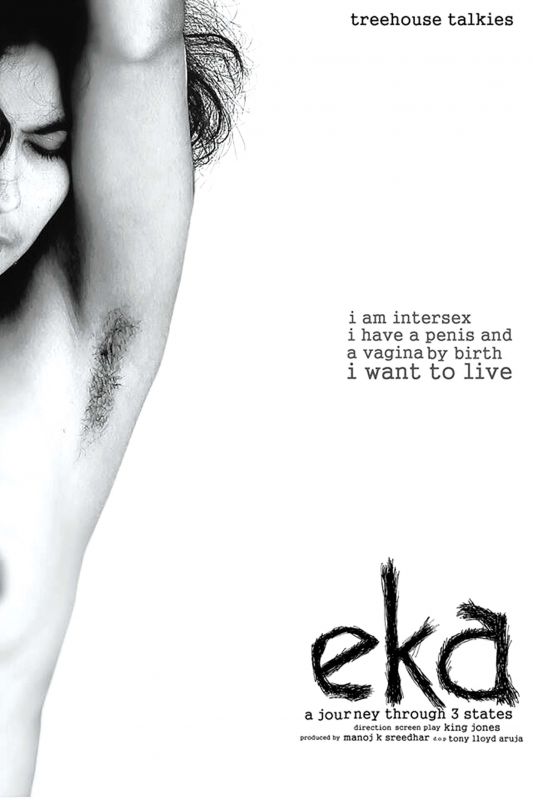
A couple of days ago, on Facebook appeared a poster of a topless woman, with her hands bound together and hairy armpits exposed. It was the poster of Eka, the first Indian movie that discusses intersexuality. In the days that followed, two more posters were released — one showing blood trickling down the feet of a menstruating woman and another depicting her naked lying on her back with a perfect reflection on the floor. The posters carried the tagline: ‘I am intersex. I have a penis and vagina by birth. I want to live’. For the uninitiated, intersexuals are people born with a mix of male and female biological traits. A quick Google search would show that worldwide, only less than 10 movies have discussed the topic. Eka, the makers claim, is the first Indian movie on intersex community.
The model in the poster, Rehana Fathima, plays the titular role in Eka. The movie talks about a road journey undertaken by two colleagues — Eka Sindoori, an intersexual from Tamil Nadu, and Laila, an orthodox woman hailing from Kerala, the freedom they enjoy during the bike ride from Bengaluru, the lives they come across and their experiences. Known for her daring stance in movements like Kiss of Love, body politics discourses and breaking into the male-reserved domain of Pulikkali, Kochi girl Rehana was attracted to the movie for its perspective. Speaking in a surprisingly soft voice for a bold artiste, she delves into the role of Eka Sindoori, the intrasexual.

Stressing that nakedness hasn't bothered her at all, she says, “For me, body is not a sexual object. It is nothing vulgar or something to be ashamed of. I am not someone with the ‘so-called’ feminine traits, especially in my body and personality. What caught my eye were the questions the movie asked about body, sexuality and gender.” 

Like Eka, Rehana too has started retaining her body hair. “Eka does it intentionally to irritate her colleagues. But for me, it's an assertion of my politics of body. Who decides that armpit hair is macho for males and unhygienic for women? Why does a bare chest become sexy for a man and obscene for a woman,” she asks. 

Rehana is happy about the immediate responses to the poster. “People have started accepting crude realities. The change has begun. And I think ‘Kiss of Love’ had a great role in bringing about a change in thinking among Malayalis. I am happy to be a part of the change,” she says. Not that all are receptive; there are intolerant and abusive comments too. But Rehana ignores it with her rehne-do (let it be) attitude. 

Eka director Prince John calls his movie a journey through three states — body, intersexuality and pubic politics. It's also a road movie along three states - Kerala, Karnataka and Tamil Nadu. Sitting at a food court in Marine Drive, Kochi, in earnest voice, Prince speaks about his movie, its theme, the making and the actors. “Intersexuality is a taboo subject and many are still on denial mode about it. It is said that one in around 10,000 births are intersexuals, but their physicality is changed through surgery. However, as they grow up, they have to face the reality and fearing isolation, they refuse to come out and live in agony. In Kerala alone, only three have declared their identity as intersexuals; they are the minorities among minorities." 

The movie has been on his mind for long. “The movie talks about body politics. A body doesn't commit any crime. What makes body a sexual object are the surroundings. A naked body on a mortuary table doesn't arouse sexual feelings in a heterosexual male, but a fully covered body in a ‘favourable’ circumstance does. The contradiction can't be ignored.” 

The characters Eka and Laila develop a very strong bond, something with the warmth of a female bonding and a romantic relationship. “Eka is a bold person who reveals gender identity everywhere but their workspace. The reason for that is an eye-opener to the living conditions of intersexuals. The film deals with pubic politics and breaks the existing concepts of sexuality. It breaks off the male-female binaries and focuses on duality,” he states. 

Apart from Rehana, the movie has on board Anusha Paul, who portrays Laila, and a horde of transgenders. The whole crew is a bunch of passionate filmmakers who have come together for their love for movies and their stance. The shoot has no sets and covers a queer pride march. 

Everything is shot at real places, including real incidents. Showering praise on Rehana for her body commitment, Prince says, “Rehana always surprises me. She lives as Eka.” However, he is surprised that the posters evoked not many negative reactions. "We had expected a storm, but the people received it sensibly and reacted very positively. I am happy that they could perceive it as an art work and not porn. Thanks to the DOP Tony Lloyd Aruja. But I do expect a storm in the coming days. So far, none has blocked it in social media. That itself is a welcoming sign,” he smiles. 

Update: By the time this paper went to print, the posters of Eka have been removed by Facebook, much like Prince had predicted. But the filmmakers say, they will continue to advocate body politics however ‘intolerable’ it is.

 Published in Deccan Chronicle on July 13, 2017 

Tuesday, July 11, 2017

'She had decided to stop acting'

The brother of the actress who was abducted and assaulted a few months ago recalls the turmoil she went through.


An attack — as brutal as the one on the actress — would have left anyone shattered, but thanks to her family, the young actress decided to fight. In an exclusive interview to DC, the brother of the assaulted actress reveals that she had contemplated ending her career. “Initially, she had decided to stop acting, but we asked her to think about it. Her defeat was what her attackers wanted. We didn’t have to give them that pleasure. This incident is something that could have happened to anyone. She decided to go on with the projects she had committed to — and now, nothing can make us step back. We will continue with the fight,” he says. 

However, the whole turn of events, including Dileep’s arrest, has left them in shock. “We are still in shock. We were constantly kept in the loop about the investigation. But the police hadn’t divulged everything as they had to maintain confidentiality,” he says. Asked if they knew that Dileep was the mastermind in the conspiracy to attack the actress, he refused to respond — “Each word we speak now might affect the case. We need to go through the facts and findings first. Only then will we respond in detail. As of now, it is better to listen to the police version.” 

Speaking from Chennai, he said his sister was alright and was at their home in Thrissur, away from the bustle of controversies. “She had been upset, especially when irresponsible comments came from people she had been close to. But now, she is alright. I hope she will air her views in a day or two,” he adds. The journey hasn’t been easy. Though initially they had apprehensions if the truth would come out, as the investigation progressed, the family had full confidence in the police department. “Reporting a crime is a tedious process. She had to give statements over and over, explain the incidents repeatedly and relive the horror. It was emotional torture. Yet she went through everything saying this shouldn’t happen to anyone else,” he recalls. 

Many online media and a TV channel had attempted to tarnish the image of the actress, but that hasn’t bothered her. Speaking with surprising confidence, he says, “It happens. As the saying goes, even if you beat your mom, people will take sides. Hailing from a family with a film background, we are aware that film personalities have no private life. People are the ones who decide if they should stone us or garland us. Image is inconsistent in the industry; it doesn’t bother us, nor does such fake news.” 

So, are they happy to have made a historical move by bringing in a fearful atmosphere for criminals in the film industry? “Of course, yes! This is not the first attack on an actress. Pulsar Suni himself has been engaged in such criminal acts like kidnapping for years. The victims, out of fear and humiliation, either gave up or quit the industry, making it easier for the criminals to flourish. No one would dare to hurt anyone when they realise the actress is fearless. We are happy that we could bring about a change,” he says. The fighters had a strong backing – from people, both from the industry and those they haven’t even met before. Sounding optimistic, he spoke: “With everyone’s support, she will get over it and continue to take up projects that come her way.”

 Published in Deccan Chronicle on July 12, 2017

Friday, July 7, 2017

An uneasy journey

Take Off actress Divyaprabha minces no words while sharing an uncomfortable experience she had recently.


These are times when women feel unsafe everywhere, be it their homes, workplaces, streets, markets or even in vehicles. When Kerala Excise Commissioner Rishi Raj Singh suggested that anyone who stares at a woman for more than 14 seconds should be jailed, the same people who voiced support for harassed women were amused, offended and laughed at the officer. “Obviously, they haven’t been leered at,” says actress Divyaprabha, who took to Facebook to narrate an incident she encountered. The Take Off actress was on her way from Pathanamthitta to Ernakulam in a low-floor AC bus when a co-passenger started staring at her. 

She elaborates, “It was a ‘new-gen’ guy who appeared 25. First, I dismissed it as a curiosity of seeing an actress. But I became very uncomfortable as he continued staring at me for more than an hour. I understood his ‘disorder’ and stared back at him. Normally, such weirdos stop once you react, but this guy was unstoppable. I even made my discomfort and irritation evident, but he would take his eyes off me. When the bus halted at Vyttila, I asked him if this was his regular habit, to which he shouted at me: ‘I just looked at you. Did I do anything else’.” 

The response made Divya all the more angry. She reported the incident to the cop at the bus station, but the boy was nowhere to be found. However, she caught hold of him with the help of auto drivers there as he was about to board an autorickshaw. “The guy, hailing from Vadakara, was returning from Gavi in Pathanamthitta. Hope they got to experience the ‘Gavi’ in Ernakulam too,” she says, adding that now she understood the relevance of the 14-second rule. Divya hasn’t lodged any police complaint in this regard, but she chose to write about it. 

“In the wake of recent incidents, I felt that I should let people know that women react if their safety is at jeopardy. Being daytime, he just stared, but what if this was night! I don’t think he knows that I am an actor. This would have happened to anyone. Not everyone would bear with the torture. I usually react to any harassment or ‘approaches’,” says Divya. She admits the situation in the industry is no different. “I have been stared at and have faced misogynist comments, but haven’t faced casting couch,” she says. Another such place is social media. “I get a lot of lewd comments like any actress. In fact, they just need to vent it out on any woman,” she says. 

Currently, enjoying the shooting break of Kammara Sambhavam, in which she acts as the sister of the character played by Dileep, Divya feels that only if women start responding will such incidents cease to happen. She adds, “We have to make our stance clear if we notice any advances, even if it is from our colleagues, friends or a complete stranger. I am sure that still many might not be able to digest how one feels threatened by a ‘check-out’. Maybe they don’t know the suffocation of a woman who is ogled at.”

 Published in Deccan Chronicle on July 8, 2017

Monday, May 1, 2017

Serena of All Super Moms


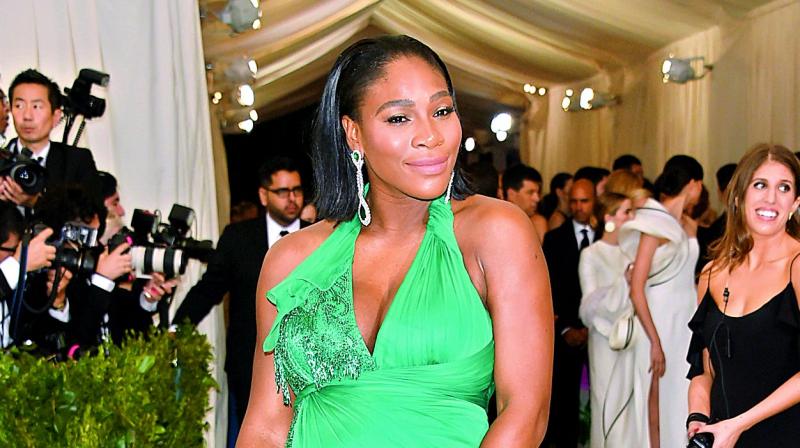
When Serena Williams, hailed as the Greatest Of All Time (GOAT), announced that she was pregnant, the whole world responded with a surprised gasp. It was just weeks ago that the tennis superstar won the Australian Open without dropping a single set — her foetus should have been eight weeks old then. The news in no time set off a verbal duel in the cyber world between many admiring her amazing physical and inner strength, and others considering it ‘disrespectful’ and dangerous to the baby and an act trivialising motherhood.


With gynaecologists usually advising women to be cautious during week one to 12 that is the first trimester, does Serena’s graceful win bust the myths surrounding pregnancy care? Such as one should not engage in strenuous physical activities or undergo emotional stress? 

“Not necessarily,” says Dr Deepa Ganesh, Chennai-based laparoscopic and cosmetic gynaecologist, “Usually, one would not realise that they are pregnant till the eighth or ninth week; they might not feel any symptoms till then. We normally suggest avoiding physical activity only if they have symptoms like spotting or have had a history of miscarriage or were undergoing IVF treatment.”


In Serena’s case, pregnancy could have helped her put up her best show. “People who are physically active like Serena, have good cardiac activity and during pregnancy, their blood volume and cardiac output increases. More blood flows into the muscles, oxygen supply increases and the hormones secreting oestrogen, progesterone and some amount of testosterone will increase the muscle mass. Of course, it varies with person. But this could have boosted her performance too,” feels Dr Deepa. There is also a popular belief that pregnancy in women above 30 years falls under the high-risk category.


By undergoing long practice sessions, emotional stress and hectic training, 35-year-old Serena surprised everyone. “After 30 years, bone strength reduces and women are at a risk of developing hypertension and diabetes and due to their age, the child too has a risk of Down’s syndrome. But now-a-days, marriage and pregnancies happen late. But we have all facilities to keep a tab on the baby’s growth, check genetic disorders and take care of the mother’s health. With proper monitoring and increased checkups, delivering a healthy baby is not difficult,” opines Dr Manjula Anagani, Chief Gynaecologist and Obstetrician, Hyderabad.

For most of the expectant mothers out there, pregnancy is no easy phase. It is a time of sickness that goes beyond ‘morning’, of extreme fatigue, of throw-up sprees and an emotional rollercoaster. So what makes Serena class apart? 

“Definitely her training,” says Dr Manjula. She further adds, “Taking care of her lower back is extremely important. With proper liquid intake, adequate diet that ensures good calorie intake, physiotherapy, controlled exposure to heat to avoid dehydration, exercises and getting enough breaks, a healthy pregnancy is possible for Serena. But since the uterus is a low-resistant organ, she should not fall and subject it to any trauma. Otherwise, she can deliver a healthy baby.” However, Serena is not the first pregnant sportsperson in her best form. Kerri Walsh Jennings won her Olympic gold in beach volleyball when she was five weeks pregnant. Canadian curler Kristie Moore sported a five-month baby bump when she won silver at the Vancouver Winter Olympics. 

‘Flying Flower’ Alysia Montaño was just six weeks away from giving birth to her daughter when she competed in an 800-m race. Do all these examples mean that it is safe for pregnant women to engage in hardcore sports? 

Dr Deepa says that there is no need to stigmatise lighter sports, though she wouldn’t advise a ‘rough sport’ after eight weeks. “We have instances of heavily pregnant women participating in marathons. “Exercise is usually recommended. Walking, running, and hitting the gym are fine, especially if you have been doing it before pregnancy; just make sure that you remain in the comfort zone. The moment you feel uncomfortable, stop doing it,” she stresses. 

Dr Manjula concurs, “Being a sportsperson, Serena’s abdominal walls will be stronger than normal pregnant women. So, that makes her different from others. But if others try to imitate her, it might lead to complications. “Exercising under proper supervision is recommended; even swimming is good. You just need to ensure than the uterus doesn’t suffer any trauma.” In short, not all moms-to-be can be stellar like the ‘GOAT’, but by carrying a life, they are still superwomen.

(Published in Deccan Chronicle on May 2, 2017) 


Kabita Mukhopadhyay, Political All the Way

She was born in West Bengal and groomed at Santhiniketan during vibrant and turbulent times in Indian politics and culture, but Kabita Mukho...